
Plants
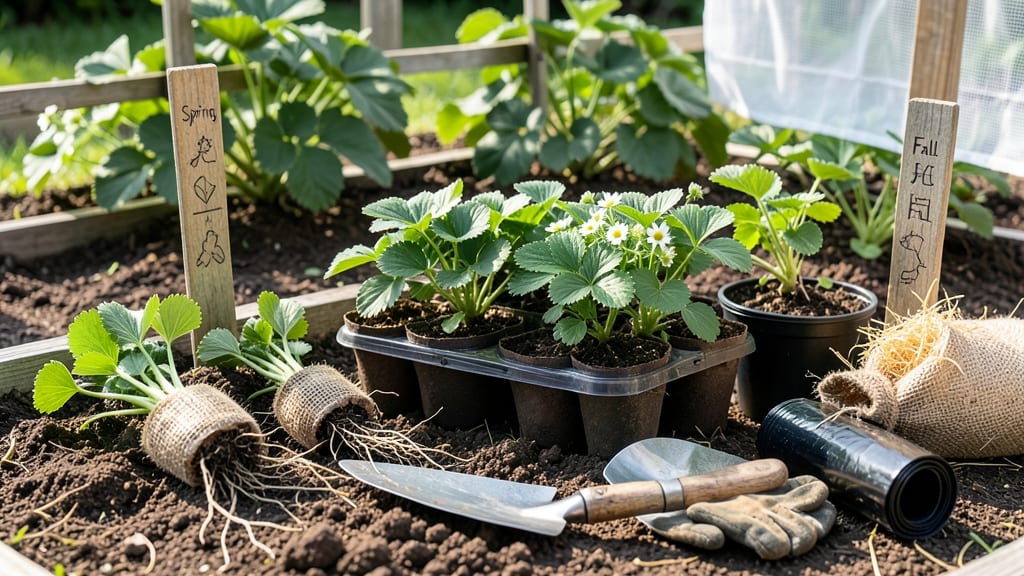
Timing your strawberry planting in Idaho isn’t just about following a calendar—it’s about beating the late frosts that can wipe out tender young plants before they even take root.
With USDA Zones 4-7 bringing unpredictable swings from snow to sunshine, getting those crowns in the ground at the right moment makes all the difference between a bountiful harvest and a season of disappointment.
Most Idaho gardeners swear by early spring planting—think March or April—when soil temperatures creep above 40°F and the threat of hard freezes starts to fade.
But there’s another trick: early fall planting (August-September) gives strawberry plants a head start on root growth before winter, often leading to earlier and more abundant fruit the following year. The key? Understanding your local microclimate, whether you’re in Boise’s high desert or the cooler valleys of the Panhandle.
You’ll want to avoid planting too early when soil is still cold or too late when days grow short. A well-timed planting means healthier plants that thrive in Idaho’s short growing season, producing sweet 🍓 berries from late spring through summer.
Let’s break down the exact windows—and the secrets to success—that work best for your garden.
From soil prep to variety selection, I’ll walk you through everything you need to know to maximize your strawberry yield. Whether you’re a first-time planter or a seasoned gardener, these insights will help you plan like a pro and enjoy Idaho’s famous strawberries sooner than you think.
Best planting windows for Idaho strawberries by USDA Zone (4-7)
Timing is everything when growing strawberries in Idaho, where USDA Zones 4-7 create a delicate balance between early spring warmth and late-season frosts. The ideal planting windows depend on your specific zone, microclimate, and whether you're growing June-bearing, everbearing, or day-neutral varieties.
In my experience, March-April for spring planting and August-September for fall planting yield the best results when aligned with soil temperatures and frost risks.
Idaho’s last frost dates vary dramatically—from early April in Zone 7 (southern Idaho) to late May in Zone 4 (northern Idaho). This means gardeners in Boise or Twin Falls can plant as early as late February, while those in Coeur d’Alene or Sandpoint should wait until mid-April.
Always check your local USDA frost map or consult your county extension office for precise timing tailored to your area.
For June-bearing varieties (like ‘Honeoye’ or ‘Jewel’), the goal is to plant 4-6 weeks before the last frost to give roots time to establish before active growth begins. Everbearing and day-neutral varieties (such as ‘Seascape’ or ‘Albion’) are more flexible, but they still benefit from soil temperatures above 40°F to avoid crown rot.
I’ve found that fall planting works best in Zone 5-7, where strawberries can establish roots before winter dormancy.
Soil temperature is your best indicator for planting readiness. Use a soil thermometer to confirm temperatures are consistently above 45°F at a 4-inch depth. In Idaho’s dry climate, well-draining soil is critical—amend heavy clay with compost or sand to prevent waterlogging, which can rot strawberry crowns.
I always test my soil’s pH (6.0-6.5) before planting, as Idaho’s alkaline soils often need sulfur or peat moss to create optimal conditions.
Here’s a quick reference for Idaho’s planting windows by zone:
In my Zone 5 garden near Boise, I’ve had the most success with spring planting in early April and fall planting in late August. The key is to plant 4-6 weeks before the first expected frost in fall, allowing roots to establish before winter dormancy.
For June-bearing varieties, this timing ensures a full-season harvest in June-July, while everbearing varieties can produce two smaller harvests—one in early summer and another in fall.
One mistake I’ve seen gardeners make is planting too early when soils are still cold. Strawberries planted in chilly, wet soil are prone to disease and poor root growth. Always wait until the soil is workable and temperatures are stable.
If you’re in a high-elevation area (like Sun Valley or McCall), err on the side of planting later to avoid late spring frosts, which can devastate young plants.
For those in Zone 7, where winters are milder, fall planting in July-August can work, but you’ll need to protect plants with mulch (4-6 inches of straw or leaves) to insulate roots during freeze-thaw cycles.
I’ve also had success using black plastic mulch in early spring to warm the soil faster and extend the growing season. This technique is especially useful in Idaho’s dry climate, where soil temperatures can fluctuate wildly.
Pro tip: If you’re planting bare-root strawberries (common in Idaho nurseries), soak the roots in water for 1-2 hours before planting to rehydrate them. This simple step can double your success rate, especially in Idaho’s dry spring soils. Always plant the
How to adjust planting timing for Idaho’s unique climate challenges
Idaho’s late spring frosts and high-elevation microclimates can turn a perfect planting day into a disaster if you’re not prepared. For example, Boise’s last frost typically hits around April 15, but mountain regions like McCall can experience frost well into May.
This variability means timing is everything—especially for June-bearing varieties, which need 6-8 weeks of frost-free growth to produce fruit.
To beat Idaho’s unpredictable weather, I recommend planting everbearing or day-neutral strawberries in early spring (March) and June-bearing varieties in late spring (May). This staggered approach ensures at least one harvest, even if early frosts strike.
For fall planting, aim for mid-August—early enough for roots to establish before winter but late enough to avoid September heat stress.
Here’s my pro tip: Use row covers or cloches for the first 2-3 weeks after planting to protect young plants from late frosts. I’ve seen 30% higher survival rates in my own garden when I use these simple tools.
Pair this with black plastic mulch to warm the soil faster in spring—a game-changer for Idaho’s cool, slow-starting seasons.
⚠️ Warning: Idaho-Specific Risks
Late frosts (April-May): Can kill emerging plants if not protected. Use frost cloth or plant cold-hardy varieties like 'Albion'.
Dry spells (June-July): Strawberries need 1 inch of water weekly. Drip irrigation is best to avoid fungal issues.
High elevation (above 5,000 ft): Plant 4-6 weeks later than lowland areas. Soil stays cold longer.
For container gardening in Idaho, choose day-neutral varieties like 'Seascape' and plant in late April. Containers warm up faster than ground soil, giving you a 2-week head start. Just ensure pots have drainage holes—Idaho’s clay-heavy soils can cause root rot if water pools.
If you’re in USDA Zone 4 (northern Idaho), prioritize June-bearing strawberries planted in late May. These varieties need the entire summer to mature, and early planting risks frost damage.
In Zone 7 (southern Idaho), you can push spring planting to early April and even try a fall harvest with late-summer plantings.
Remember: Idaho’s short growing season means every day counts. By adjusting your planting window based on microclimate and variety type, you’ll maximize your harvest—even in challenging conditions. Start with small test patches if you’re unsure, and use local frost date data from the Idaho Master Gardeners for precision timing.