
Plants
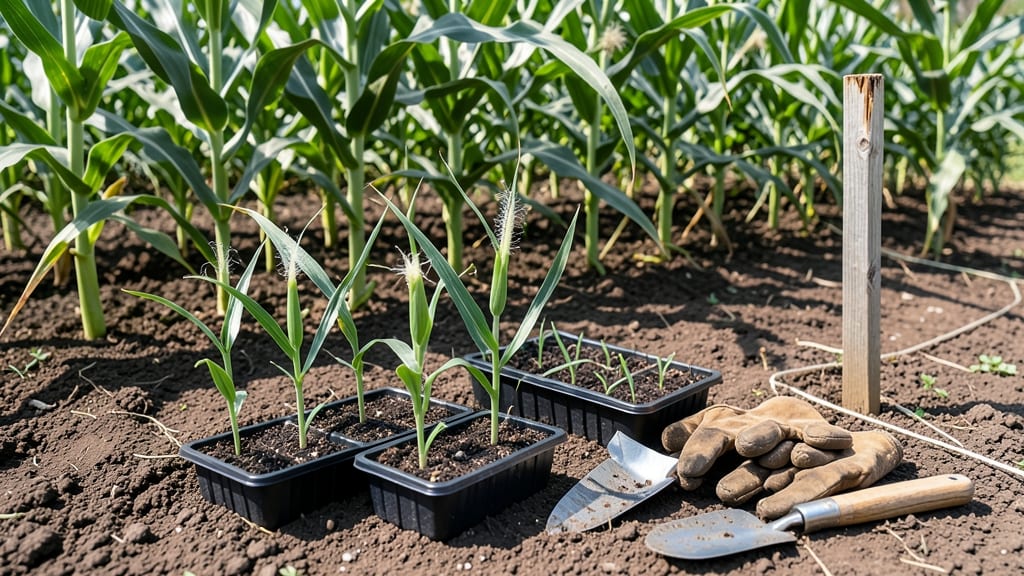
Timing your Sweet Corn 🌽 planting in North Carolina can make or break your harvest—get it wrong, and you might end up with tough kernels or no crop at all.
The key isn’t just throwing seeds into the ground; it’s about syncing with NC’s Zone 7-8 climate, where warm springs and humid summers create the perfect (or disastrous) conditions for corn growth.
If you’ve ever planted corn only to watch it bolt in the heat or rot before maturing, you know how frustrating timing can be. But here’s the good news: with the right window—typically between mid-April and mid-June—you can enjoy juicy, sweet ears from July through September.
Let’s break down exactly when to plant for maximum success, no matter where you are in the state.
Most gardeners in NC wait until soil temperatures hit 60°F and at least two weeks after the last frost date, but there’s more to it than that.
We’ll cover how to adjust for early vs. late varieties, avoid common pitfalls like planting too close to frost, and even troubleshoot issues like uneven germination caused by NC’s unpredictable spring weather.
Ready to go from guesswork to golden kernels? I’ll walk you through the exact steps—from soil prep to post-planting care—to ensure your Sweet Corn 🌽 thrives in your backyard. Let’s get those seeds in the ground at the perfect moment!
Optimal planting dates for sweet corn in NC zones 7-8
North Carolina’s Zone 7-8 climate gives sweet corn growers a long growing season, but precise timing ensures maximum yield and sweetness. The last frost date typically falls between late March and early April, while the first frost arrives around late October to mid-November.
For best results, plant after soil temperatures reach 60°F—a critical threshold for germination.
In Zone 7 (Piedmont region), aim to plant sweet corn between April 15 and May 15. This window balances warm soil and cooler air temperatures, reducing stress on young plants.
Meanwhile, Zone 8 (Coastal Plain) gardeners can start slightly earlier, around March 30 to April 30, thanks to milder winters and longer frost-free periods.
🌱 Pro Tip: Use a soil thermometer to confirm readiness—cold soil delays germination and weakens seedlings.
| Zone & Region | Ideal Planting Window | Soil Temp Requirement | Key Consideration |
|---|---|---|---|
| Zone 7 (Piedmont) | April 15 – May 15 | 60°F+ | Avoid late frosts; plant after last frost date. |
| Zone 8 (Coastal Plain) | March 30 – April 30 | 55°F+ (earlier germination) | Warmer microclimates allow earlier starts. |
| Mountains (Zone 6b) | May 1 – May 15 | 65°F+ (cooler soils) | Later planting avoids frost; shorter season. |
| All Zones (Succession) | June 1 – June 15 | 60°F+ | Extend harvest with late plantings (use fast varieties). |
For succession planting, stagger seeds every 2 weeks until June 15. This ensures a continuous harvest from July through September, preventing overproduction at once. Choose early-maturing varieties (60-70 days) for early plantings and late-maturing (80+ days) for summer successions.
🌿 Warning: Planting too early risks cold soil, which causes poor germination or seed rot. Wait for consistent 60°F+ soil temps—even if air temps feel warm.
In humid NC summers, prioritize well-draining soil to prevent root rot. Amend clay soils with compost or sand before planting. Test soil pH (6.0-6.8)—sweet corn thrives in slightly acidic to neutral conditions.
💧 Action Step: Water seeds deeply after planting to encourage strong root development. Keep soil moist but not soggy until germination (typically 7-14 days).
For container growing, use large pots (5-gallon minimum) and plant 2-3 seeds per container. Containers warm up faster than soil, so start 1-2 weeks earlier than in-ground plantings.
🌽 Harvest Tip: Plan for 75-90 days to maturity. In NC’s Zone 8, you can even squeeze in a fall crop by planting late July with fast-maturing varieties (e.g., 'Silver Queen' or 'Peaches and Cream').
How to adjust planting time for early vs. late sweet corn varieties in NC
North Carolina gardeners can extend their sweet corn harvest season by choosing the right varieties and planting times. Early-maturing varieties (60-70 days) are perfect for late spring plantings, while late-maturing varieties (80+ days) thrive with early spring starts.
The key is matching your variety to your planting window for peak sweetness and yield.
For early varieties, aim to plant between May 15 and June 15 in NC’s Zone 7-8 regions. These fast-growing types (like 'Silver Queen' or 'Peaches and Cream') mature quickly, avoiding summer heat stress that can reduce quality.
They’re ideal for gardeners who want a quick harvest or live in hotter microclimates where late plantings are risky.
Late varieties, such as 'Bodacious' or 'Ambrosia,' need earlier starts (April 15-May 1) to fully mature before fall frosts. These varieties produce larger ears but require longer growing seasons.
In NC’s Coastal Plain, where summers are longer, you can push late varieties slightly later, but Piedmont gardeners should plant early to avoid frost risks.
🌽 Sweet Corn Variety Planting Guide for NC
| Variety Type | Days to Maturity | Best Planting Window | Harvest Window | NC Zone Fit |
|---|---|---|---|---|
| Early (Succession) | 60-70 days | May 15-June 15 | July-August | All zones (7-8) |
| Mid-Season | 75-85 days | April 15-May 15 | June-September | Zones 7-8 |
| Late (Long Season) | 85-95 days | March 20-April 15 | July-October | Coastal Plain (Zone 8) |
Succession planting is a game-changer for NC gardeners. By staggering plantings every 2 weeks from late April through June, you can enjoy fresh ears for 6-8 weeks.
For example, plant your first batch of early varieties on May 1, then follow with another on May 15 and May 30. This ensures continuous harvests while avoiding overcrowding in your garden.
Another pro tip: Use black plastic mulch to warm soil faster for early plantings. This raises soil temperatures by 5-10°F, helping seeds germinate quicker and giving you a head start.
Just remove the mulch once plants emerge to prevent overheating. For late plantings, focus on shade cloth during peak summer heat to protect tender seedlings.
Remember, soil temperature matters more than air temperature for corn. Use a soil thermometer—seeds won’t germinate well below 60°F. In NC’s Piedmont region, wait until soil hits 65°F for reliable germination, while Coastal Plain gardeners can plant slightly earlier thanks to warmer soils.