
Trees
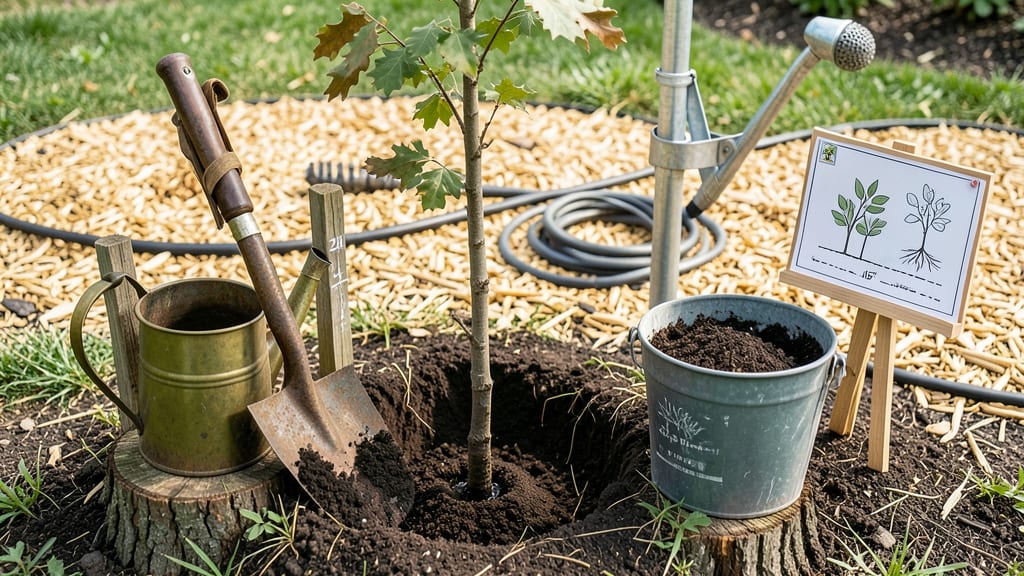
Timing your 🌳 tree planting in Kansas can make the difference between a thriving shade provider and a struggling sapling that never makes it past its first winter. The right window—whether it's fall's cool embrace or spring's gentle warmth—sets the stage for strong root growth and long-term success.
Kansas' varied climate, from USDA Zone 5b to 7a, means one-size-fits-all advice won't work. Plant too early, and frost can damage delicate roots; too late, and your tree might struggle to establish before winter hits.
I'll break down the ideal months for each zone so you can choose the perfect time for your specific location.
Fall planting offers cooler temperatures and natural rainfall, while spring gives trees a head start before summer's heat. But which is better for Kansas? We'll compare the pros and cons, plus share species-specific tips—whether you're planting an oak for shade or a fruit tree for harvests.
Ready to give your tree the best possible start? Let's dive into the science-backed timing that'll help your 🌳 Kansas trees grow strong for decades to come. You'll learn exactly when to dig, how to prep your soil, and what to watch for in each season.
Best planting months for Kansas trees by hardiness Zone (5b, 6a, 7a)
Kansas spans USDA Hardiness Zones 5b through 7a, meaning the ideal planting window varies slightly depending on where you live. In Zone 5b, colder winters demand precise timing, while Zone 7a offers a slightly longer window for root establishment.
The key is planting when soil temperatures stay above 40°F (4°C) but before extreme heat or frost arrives.
For most Kansas gardeners, fall (October-November) and early spring (March-April) are the sweet spots. Fall planting lets roots establish before winter dormancy, while spring planting avoids summer drought stress. Container-grown trees offer more flexibility, but bare-root trees need cooler soil for best results.
Here’s how Kansas’ three main zones break down for optimal tree planting:
| Zone | Best Planting Window | Soil Temp Requirement | Key Considerations |
|---|---|---|---|
| 5b (Western KS) | Late April–May or Sept–Oct | 45–50°F (7–10°C) | Shorter growing season; prioritize drought-resistant species like bur oaks or honey locusts. |
| 6a (Central KS) | March–April or Oct–Nov | 40–45°F (4–7°C) | Moderate climate; ideal for maples and fruit trees with proper mulching. |
| 7a (Southeastern KS) | Feb–March or Nov–Dec | 40°F+ (4°C+) | Longer window; watch for late frosts (avg. April 15) when planting early. |
Microclimates in Kansas—like urban heat islands in Wichita or Kansas City—can shift ideal planting dates by 2–4 weeks. For example, cities may experience earlier soil warming in spring, while rural areas might need to wait longer.
Always check your local last frost date (typically April 15 in most zones) as a guideline.
One critical factor across all zones is moisture availability. Kansas’ dry winds and clay-heavy soils in western regions can dry out roots quickly. Planting in fall takes advantage of autumn rains, while spring planting requires consistent watering for the first 2–3 months.
For bare-root trees, aim to plant within 1–2 weeks of receiving them to prevent root desiccation. Container-grown trees, however, can handle a broader window but still benefit from cooler temperatures.
If you’re unsure, late October is a safe bet for most of Kansas—roots establish before winter, and you avoid summer heat stress.
Pro tip: Use a soil thermometer to confirm temperatures before planting. Ideal soil temps for root growth are 50–60°F (10–15°C). In Zone 5b, wait until soil warms to 50°F (10°C) in spring to avoid frost damage.
Finally, consider tree species when choosing timing. Oaks and fruit trees thrive with fall planting, while maples and willows adapt better to spring. Always match your tree’s native growing habits to Kansas’ seasonal rhythms for the best results.
🌳
Fall vs. spring planting: which works better for Kansas trees?
Choosing between fall and spring planting for Kansas trees depends on your tree species, climate zone, and local weather patterns. Both seasons offer unique advantages—and pitfalls—that can make or break your tree’s survival. In Kansas, where temperatures swing wildly and drought is common, timing matters more than you might think.
Fall planting (typically October to November) gives tree roots time to establish before winter dormancy. The cooler air and increased rainfall in late fall create ideal conditions for root growth without competing with above-ground foliage.
This head start often means stronger trees by spring. However, planting too late risks exposing roots to early frost or winter desiccation.
Spring planting (usually March to April) aligns with Kansas’ natural growth cycle, allowing trees to take full advantage of the growing season. The soil is warmer, making it easier for roots to establish quickly.
But spring planting carries risks: late frosts can damage tender new shoots, and summer droughts may stress young trees before they’ve built sufficient root systems.
Kansas’ USDA Zones 5b-7a further complicate the decision. Northern zones (like Zone 5b) benefit more from fall planting due to shorter growing seasons, while southern zones (like Zone 7a) can handle spring planting with less risk of frost damage.
Always check your local last frost date—typically around April 15 in most of Kansas.
Fall Planting vs. Spring Planting for Kansas Trees
🍂 FALL PLANTING
- Pros: Cooler temps reduce transplant shock
- Pros: Roots establish before winter dormancy
- Pros: Higher moisture availability
- Cons: Limited time for root growth before frost
- Cons: Risk of winter desiccation in windy areas
🌸 SPRING PLANTING
- Pros: Full growing season for root/shoot growth
- Pros: Warmer soil speeds up establishment
- Cons: Late frosts can damage new shoots
- Cons: Summer drought stress for young trees
- Cons: Higher competition from weeds
🌳 BEST FOR KANSAS TREES
Oaks & Maples: Fall planting (October-November)
Fruit Trees: Early spring (March-April)
Evergreens: Early spring or fall (avoid summer)
For Kansas gardeners, fall planting often wins for most tree species, especially in Zone 6a and below, where winters are harsher. However, if you’re planting fruit trees or fast-growing species like willows or poplars, spring planting gives them the competitive edge they need to outpace weeds and pests.
Always amend your soil with compost before planting, regardless of season, to improve drainage in Kansas’ heavy clay soils.
Pro tip: If you’re unsure, container-grown trees can be planted year-round in Kansas (except during extreme heat or cold), giving you more flexibility. Just be prepared to water deeply and mulch heavily to protect roots during our unpredictable winters and summers.