
Trees
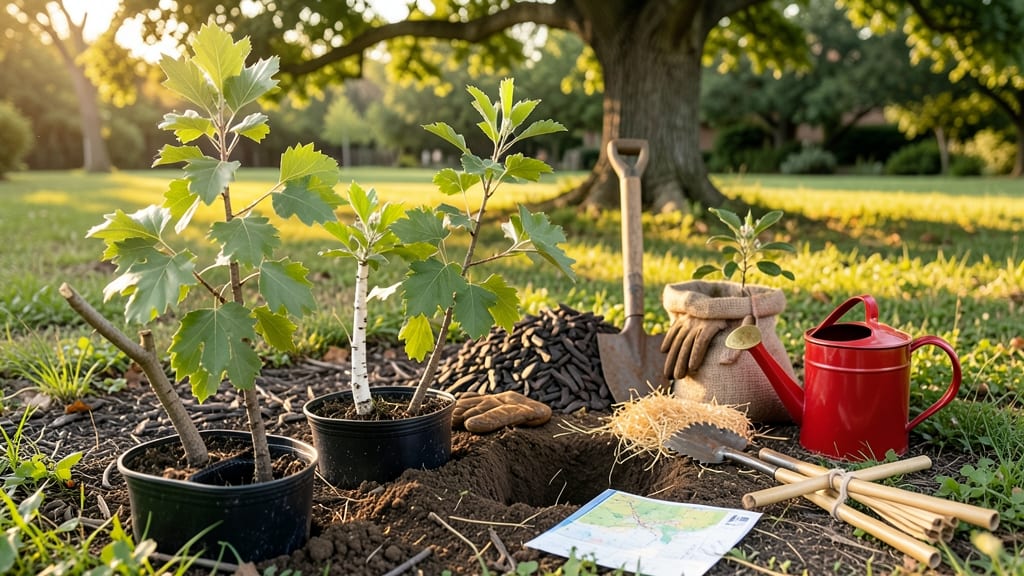
Planting trees in Illinois at the wrong time can mean the difference between a thriving 🌳 and a struggling sapling fighting for survival. Whether you're in the northern forests of Zone 5b or the warmer prairies of Zone 6b, timing matters more than you might think.
Most gardeners assume spring is the only option, but fall planting offers cooler soil and fewer pests for young roots to establish. I’ll break down the best months for your specific zone, so you can plant with confidence and watch your trees grow strong.
From avoiding late frosts to leveraging seasonal rainfall, we’ll cover everything you need to know. Let’s get your trees off to the right start—because the best time isn’t just a guess, it’s a science-backed strategy.
Ready to transform your yard with healthy, long-lasting trees? The clock is ticking, and the perfect planting window is closer than you think.
Illinois planting windows by USDA Zone: month-by-month root growth secrets
Illinois spans USDA zones 5a to 6b, meaning your planting window shifts from northern Wisconsin borders to southern Missouri edges.
The best time to plant trees in Illinois depends on whether you're working with bare-root saplings or container-grown specimens, as well as your specific zone's frost dates. Generally, early spring (March-April) and fall (October-November) offer ideal conditions for root establishment.
For northern Illinois (zones 5a-5b), like Chicago and Rockford, aim to plant 4-6 weeks before the last frost—typically by April 15. In southern Illinois (zones 6a-6b), such as St. Louis and Carbondale, you can start as early as March 1 for spring planting.
Fall planting should wrap up 4-6 weeks before the first frost, which usually arrives by October 15 in most regions.
🌱 Illinois Tree Planting by USDA Zone
| Zone | Best Planting Months | Soil Temp Threshold | Key Consideration |
|---|---|---|---|
| 5a (Northern IL) | April–May, Sept–Oct | 45°F+ (7°C+) | Avoid late frosts; mulch heavily |
| 5b (Central IL) | March–April, Oct–Nov | 50°F+ (10°C+) | Spring planting benefits from rainfall |
| 6a (Southern IL) | February–March, Sept–Oct | 55°F+ (13°C+) | Warmer soils speed root growth |
| 6b (Extreme South IL) | January–February, Oct–Nov | 60°F+ (15°C+) | Longer growing season allows flexibility |
Spring planting in Illinois offers cooler temperatures and natural rainfall, reducing transplant shock. However, evergreen trees like pines or spruces should never be planted in spring—they’re better suited for fall to avoid winter desiccation.
Fall planting, on the other hand, allows roots to establish before winter dormancy, giving your tree a head start in spring.
If you’re planting in northern Illinois (zones 5a-5b), prioritize bare-root trees in early spring to take advantage of warmer soil temperatures before the growing season peaks. In southern Illinois (zones 6a-6b), you can push planting into late winter (February) for container-grown trees, as the ground thaws earlier.
Always check soil temperature—roots struggle to grow below 45°F (7°C).
One critical factor often overlooked is seasonal rainfall. Illinois receives 30-40 inches annually, but spring and fall are the wettest months. Planting during these periods means less supplemental watering for young roots.
For example, April showers in central Illinois can provide 1-2 inches of rain weekly, reducing your workload. Use a rain gauge to track moisture—aim for 1 inch per week during dry spells.
For deciduous trees like oaks or maples, fall planting is ideal because they enter dormancy naturally. Evergreens, however, should avoid fall planting in zone 5a due to winter winds drying out foliage.
If you must plant evergreens in fall, choose sheltered locations and water deeply before the first frost. Pro tip: Mulch with 2-3 inches of wood chips to retain moisture and regulate soil temperature.
Timing isn’t just about the month—it’s about soil conditions. Test your soil’s moisture and pH before planting. Illinois soils often test slightly acidic (pH 6.0-6.5), which suits most trees. If your soil is too compacted (common in urban areas), amend it with compost or sand to improve drainage.
A simple dig test—pushing a shovel into the ground—can reveal compaction issues. Loosen soil to a depth of 12-18 inches for optimal root penetration.
Container-grown trees offer year-round flexibility in Illinois, but avoid planting in extreme heat or cold. For example, July and August are risky due to drought stress, while December-February can freeze roots if the ground is frozen.
If you must plant in summer, do so in early morning or late afternoon to avoid midday heat stress. Provide shade cloth for the first week to help the tree acclimate.
Remember, tree size matters. Smaller trees (6-10
Top 5 trees for Illinois planting success: fast-growing vs. long-term survivors
Choosing the right tree for Illinois means balancing growth speed, drought tolerance, and native adaptability. Fast-growing species like silver maple or Bradford pear establish quickly but may need replacement sooner, while oak or hickory trees offer century-long shade with minimal care.
Let’s break down the best options for your USDA Zone 5b-6b yard.
For urban landscapes, consider redbud trees—they bloom early spring with purple-pink flowers and thrive in partial shade. Their compact size (20-30 feet) makes them perfect for smaller yards, while their fast root establishment ensures survival after planting.
Pair them with crepe myrtle for summer color and drought resistance.
🌳
Fast-Growing Trees
- 🌱 Silver Maple – Grows 3-5 ft/year, loves wet soil
- 🌱 Bradford Pear – White spring blooms, needs pruning
- 🌱 Green Ash – Drought-tolerant, great for storm resilience
Long-Term Survivors
- 🌳 White Oak – Lives 200+ years, acorn producer
- 🌳 Hickory – Deep taproot, thrives in poor soil
- 🌳 Eastern Red Cedar – Evergreen, wildlife habitat
When planting, spacing matters. A mature oak needs 50-60 feet of clearance to avoid root competition, while dwarf fruit trees (like apple or pear) can thrive in 10-15 feet of space.
Always check the tree’s mature height and spread before digging—overcrowding leads to weak growth and pest susceptibility.
For shade lovers, prioritize native species like sugar maple or tulip poplar. Their deep roots access groundwater, reducing your watering needs once established. If you’re in southern Illinois (Zone 6b), southern magnolia adds glossy leaves and fragrant blooms—just plant it 6-8 feet deep to avoid girdling.
🪴
Pro tip: Container-grown trees can be planted year-round in Illinois (except winter), but bare-root trees must go in during dormancy—either late fall (November) or early spring (March). Amend your planting hole with compost and a slow-release fertilizer to give roots a nutrient boost as they establish.