
Vegetables
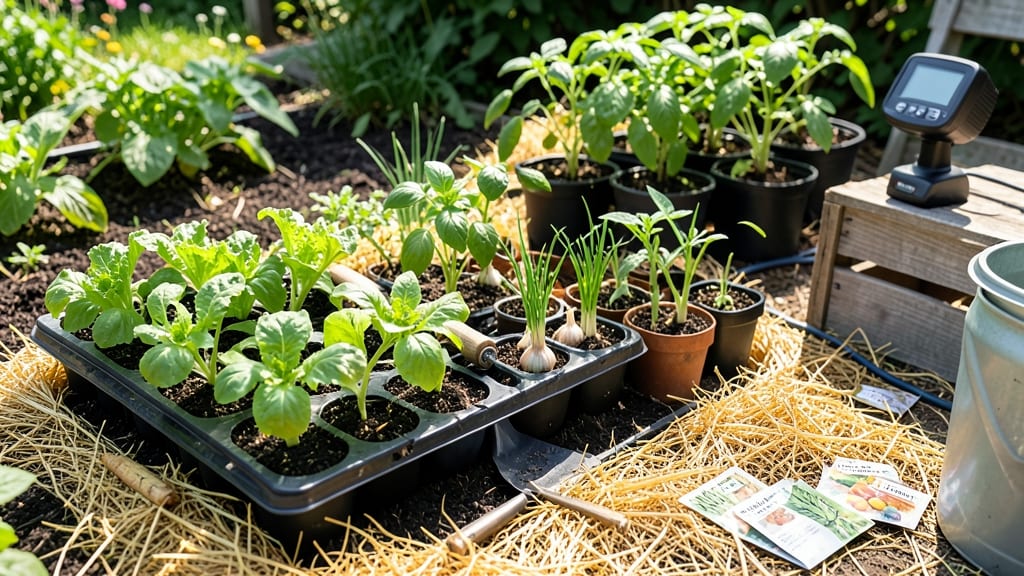
Timing your vegetable planting in San Diego could mean the difference between a thriving garden and a sad, wilted 🥕 pile. With year-round growing potential in zones 9b-10a, most gardeners assume they can plant whenever—but that’s where mistakes happen.
Coastal areas stay milder than inland spots, and heat spikes can turn your summer tomatoes into bitter disappointments if you’re not careful. The key? Aligning your planting schedule with San Diego’s microclimates—whether you’re in La Jolla or Escondido—to maximize harvests without wasting effort.
I’ll break down exactly when to plant for each season, from cool-weather crops like lettuce to heat-loving tomatoes, plus how to adjust for your specific location. No more guessing—just a clear, microclimate-specific calendar to keep your garden productive all year.
Ready to stop second-guessing and start growing? Let’s dive into the perfect planting windows for your San Diego garden.
San Diego’s 3 microclimates & their ideal planting windows for vegetables
San Diego’s year-round growing potential is a gardener’s dream—but its three distinct microclimates mean one planting schedule doesn’t fit all. Coastal areas like La Jolla enjoy cool, foggy summers, while inland spots like Escondido can hit 100°F in July.
Then there’s the valley zone, where heat spikes earlier and lasts longer. Understanding these differences is key to avoiding bolting lettuce or wilting tomatoes.
Each microclimate has unique frost-free windows and heat tolerance thresholds. Coastal gardens can plant warm-season crops like tomatoes as early as February, while inland areas must wait until April to avoid heat stress.
The valley zones often extend the growing season into late November for cool-season crops, thanks to their warmer winters. Let’s break down the critical differences and when to plant each crop type in your specific zone.
🌱
For coastal San Diego, you can plant warm-season crops like peppers and eggplants as early as February thanks to the mild summer temperatures. The foggy marine layer acts like a natural shade cloth, reducing heat stress.
In contrast, inland areas should wait until April 15 or later to plant tomatoes and cucumbers, as temperatures often exceed 90°F by May. This delay prevents flower drop and blossom end rot.
Cool-season crops like lettuce, spinach, and peas thrive in coastal gardens from September through March. However, in inland microclimates, these same crops can be planted as late as November and still produce through February without frost risk.
The valley zones offer the longest fall planting window, allowing for two harvests of kale or carrots—one in winter and another in early spring.
🌿
One of the biggest mistakes gardeners make is ignoring microclimate differences when selecting plant varieties. For example, heat-tolerant tomato varieties like 'Solar Fire' or 'Heatmaster' are essential for inland plantings, while coastal gardens can grow heirloom varieties like 'Brandywine' with fewer issues.
Similarly, leafy greens like arugula bolt quickly in valley heat but stay sweet and crisp in coastal shade.
To maximize your harvest, align your planting schedule with local heat patterns. Use succession planting in coastal areas to stagger lettuce and radish harvests every 2-3 weeks.
In inland zones, focus on fast-maturing varieties like 'Early Girl' tomatoes or 'Cherry Belle' radishes to beat the summer heat. For valley gardens, prioritize shade-tolerant crops like bush beans or Swiss chard for late-summer plantings.
🪴
Proper soil preparation is just as critical as timing. Coastal soils often need amendments for drainage due to winter rains, while inland soils benefit from organic matter to retain moisture. Test your soil’s pH and nutrient levels before planting—most vegetables thrive in slightly acidic to neutral soil (6.0–7.0).
Add compost or aged manure in fall to build fertility for spring plantings
How to adjust planting times for inland & valley areas (hotter, drier conditions)
Inland San Diego—think Escondido, Temecula, or Ramona—faces hotter temperatures and lower humidity than the coast, which dramatically shifts planting windows. Without proper adjustments, your tomatoes may sizzle or peppers turn bitter from heat stress.
The key? Plant heat-tolerant varieties and time crops to avoid summer’s peak (June–August), when soil temps can exceed 90°F.
Unlike coastal areas, inland gardens rarely see frost, but heat waves are the real enemy. Start cool-season crops like broccoli or peas in late August or September to harvest before summer heat arrives.
For warm-season crops, opt for heat-resistant varieties like ‘Heatmaster’ tomatoes or ‘NuMex’ peppers, which thrive in 100°F+ temps.
🚨 WARNING: Avoid planting seedlings in summer—they’ll bolt or wilt within weeks. Instead, use direct sowing in fall (September–October) for carrots, lettuce, and spinach, or late-winter sowing (February–March) for spring harvests before the heat ramps up.
⚠️ Inland Planting Pitfalls
❌ Planting tomatoes in June → Fruit scorch and blossom drop from heat stress.
❌ Skipping shade cloth in summer → Leaf burn on lettuce and herbs.
❌ Ignoring soil moisture → Root rot from uneven watering in dry climates.
✅ Solution: Mulch heavily (3–4 inches) to retain moisture and use drip irrigation to avoid wetting foliage.
For year-round success, focus on succession planting in fall and winter. For example, sow radishes in October for a November harvest, then replant every 2 weeks until March.
Inland gardens can also extend summer growing by using shade cloth (30–50%) over leafy greens and herbs to protect them from midday sun.
Local University of California Cooperative Extension recommends testing soil moisture before watering—inland soil dries out faster than coastal soil. Aim for 1–2 inches of water per week, but water deeply 2–3 times per week during peak summer (June–August) to encourage deep root growth.
Drought-tolerant crops like okra, sweet potatoes, and malabar spinach are ideal for inland areas.
Pro tip: Use black plastic mulch in summer to raise soil temps by 10–15°F, which helps warm-season crops like eggplants and peppers thrive. Just remove it in fall to cool the soil for cool-season planting.
With these adjustments, inland San Diego gardens can produce year-round—just work with the heat, not against it.