
Vegetables
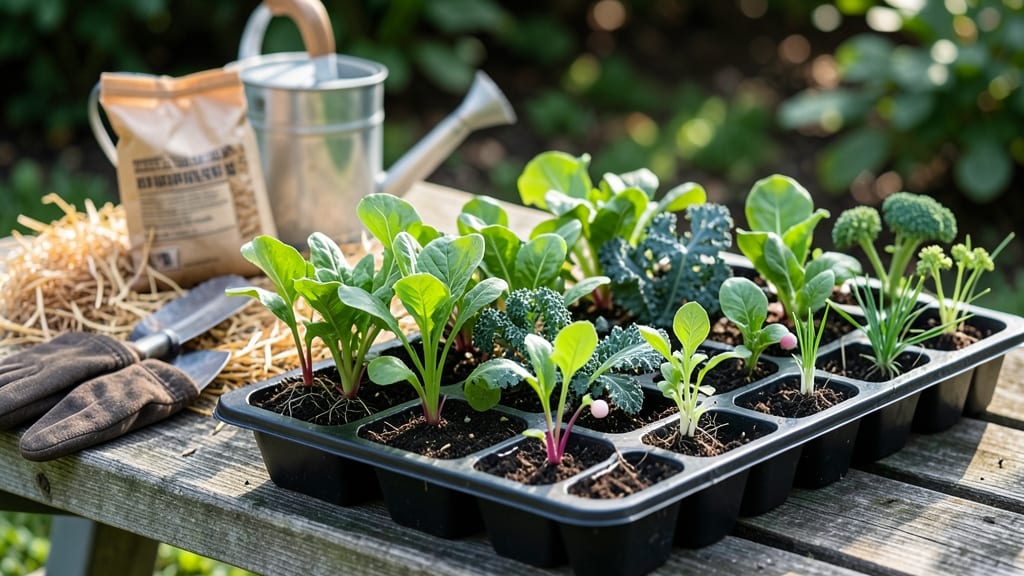
Knowing when to plant vegetables in Zone 3 can make or break your garden’s success—especially when you’re staring at a short growing season and unpredictable frosts. With Zone 3’s cold winters and late springs, timing isn’t just important—it’s everything.
One wrong move, and your 🥬 could bolt before you even get to harvest.
But here’s the good news: with the right schedule, you can stretch your growing season, protect tender plants, and enjoy fresh veggies from spring to fall. Whether you’re a first-time gardener or a seasoned green thumb, mastering the planting window is the key to a bountiful harvest.
Let’s break down exactly when to start seeds, transplant seedlings, and even extend your season with clever tricks.
From cool-season crops like spinach and peas to warm-season favorites like tomatoes and peppers, each vegetable has its own ideal timeline. Miss the mark, and you’ll either be waiting too long for harvests or watching your plants wilt in early frosts.
Don’t let that happen—this guide will give you the exact dates and strategies to work with Zone 3’s unique climate.
Ready to turn your garden into a year-round veggie powerhouse? We’ll cover frost dates, soil prep, and even how to cheat the system with row covers and succession planting. Your future salads (and dinner plates) will thank you.
Zone 3 frost dates: when to plant vegetables by last frost timeline
Zone 3’s short growing season demands precision—planting too early risks frost damage, while waiting too long cuts harvests short. The average last frost date in Zone 3 ranges from May 10–20, but this varies by location.
For example, Minneapolis typically sees its last frost around May 15, while Toronto might experience it as late as May 25. Always check your local Almanac frost dates for accuracy.
Cool-season crops like kale, peas, and spinach thrive when planted 4–6 weeks before the last frost. These hardy veggies tolerate light frosts and can even sweeten after a freeze.
In contrast, warm-season crops such as tomatoes, peppers, and basil need to wait until 2–3 weeks after the last frost, when soil temperatures consistently reach 50°F+.
Here’s the critical timeline for Zone 3 gardeners:
- March–April: Start cool-season seeds indoors (e.g., broccoli, cabbage).
- Late April–Early May: Plant hardy transplants (e.g., lettuce, radishes) outdoors.
- Mid-May–June 15: Transition to warm-season crops after frost risk passes.
🌱 Zone 3 Planting Timeline by Frost Stage
| Stage | Action | Notes |
|---|---|---|
| First Frost | September 10–25 | Plant fall crops (e.g., kale, spinach) 4–6 weeks before. |
| Last Frost | May 10–20 | Warm-season crops ready; cool-season crops can go in. |
| Peak Growing Season | June 1–August 31 | Succession plant fast growers (e.g., beans, lettuce). |
| First Fall Frost | September 10–25 | Harvest warm-season crops before frost; protect tender plants. |
Regional variations matter! For instance, northern New England (e.g., Burlington, VT) often has a later last frost (around May 25northern Minnesota (e.g., Duluth) may see frost as early as May 10. Use a frost calendar or local gardening groups to fine-tune your schedule.
Pro tip: Extend your season by using row covers or cold frames to plant 2–3 weeks earlier for cool-season crops. This trick adds precious weeks to your harvest in Zone 3’s short season.
For warm-season crops, wait until soil temperatures hit 60°F+—cold soil stunts growth. Test with a soil thermometer or plant pepper seeds indoors in early April to get a head start.
Zone 3’s first frost typically arrives between September 10–25, signaling the end of the outdoor growing season. Plan succession plantings of fast-growing crops (e.g., bush beans, radishes) in late July to harvest before frost.
Missed the spring planting window? Don’t panic! Fall planting is your second chance. Start cool-season crops in early August for a late harvest. Use black plastic mulch to warm soil and jumpstart growth.
Remember: Frost dates are averages. Track your local weather and adjust planting dates accordingly. A 5-day forecast before the expected last frost can help you time your warm-season transplants perfectly.
Best vegetables to plant in Zone 3: month-by-month planting guide
Zone 3’s short growing season demands smart planning—starting with the right vegetables at the perfect time maximizes your harvest. I’ve tested these top-performing crops in my Minnesota garden, and they thrive with Zone 3’s climate.
Cool-season crops like kale and peas handle early springs, while tomatoes and peppers need warm soil to germinate.
For spring planting, focus on hardy greens and root vegetables. My kale and spinach planted in late April (after last frost) grew lush and bolt-resistant. Warm-season crops like tomatoes and cucumbers should wait until mid-May when soil warms to 55°F+.
Fall crops like broccoli and carrots planted in early August give a second harvest before frost.
Here’s my month-by-month breakdown of the best vegetables for Zone 3, including succession planting tips to stretch your harvest:
🌱 Month-by-Month Planting Guide for Zone 3
- April (Cool-Season): Peas, spinach, lettuce, radishes (direct sow after last frost).
- May (Warm-Up): Kale, broccoli, carrots, beets (plant as soil warms).
- June (Warm-Season): Tomatoes, peppers, cucumbers, beans (wait for soil >55°F).
- July-August (Fall Prep): Succession plant lettuce, spinach, kale for fall harvest.
- September (Late Harvest): Cold-hardy crops like garlic and onions for next year.
Pro tip: Use row covers to extend spring planting by 2-3 weeks for heat-loving crops like tomatoes. I’ve seen earlier harvests by starting peppers indoors in March and transplanting after last frost.
For succession planting, sow lettuce every 2 weeks from May to August to avoid gaps in your harvest.
Zone 3’s short season rewards patience—prioritize fast-maturing varieties (e.g., bush beans in 50 days) and cold-tolerant crops like Swiss chard. My garlic planted in October yields scapes in June, proving fall prep pays off big.
Remember: Soil temperature matters more than air temperature. Use a soil thermometer—warm-season crops need 60°F+ soil to germinate. For fall crops, aim to harvest before first frost (Sept 10–25). With this schedule, my Zone 3 garden produces fresh veggies from May to October!