
Vegetables
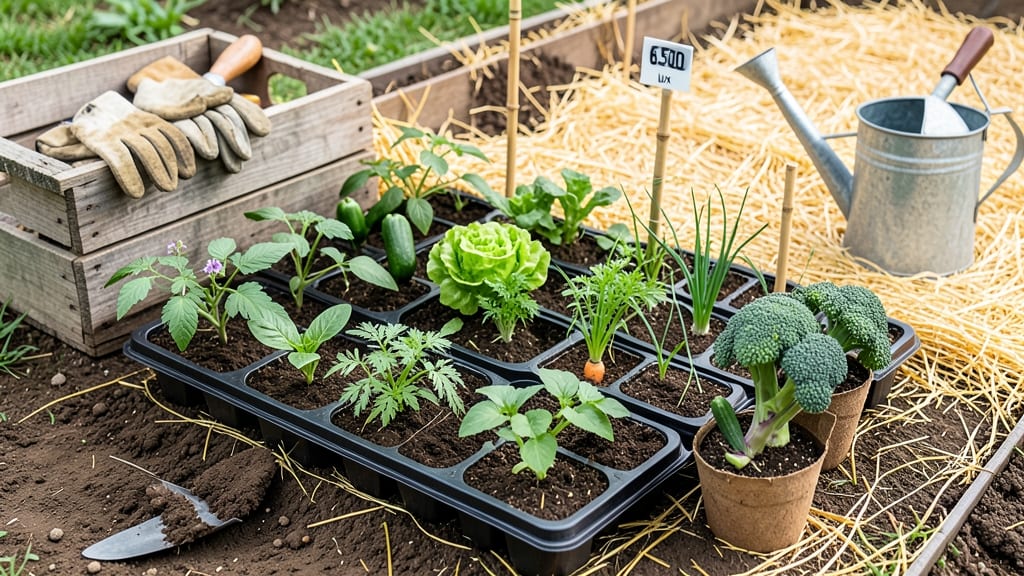
Figuring out when to plant vegetables in Zone 7a can feel like solving a puzzle—one wrong move, and your seeds end up in the ground too early or too late.
That first frost in spring or the scorching summer heat can turn your green thumb into a nervous wreck if you're not careful.
Here's the good news: with the right timing, you can grow a bounty of fresh produce all season long. I've spent years testing planting schedules in Zone 7a, and what works for one vegetable often fails for another.
Let me show you exactly when to plant each type, from cool-loving greens to heat-crazy tomatoes.
We'll cover frost dates, soil temperature secrets, and even some surprising tricks to stretch your growing season. Whether you're a first-time gardener or a seasoned pro, these insights will help you avoid common mistakes and maximize your harvest.
Ready to turn your garden into a thriving food factory? Let's dive into the precise planting windows that will make all the difference in your Zone 7a vegetable garden.
Zone 7a frost-free dates & ideal planting windows by vegetable type
Zone 7a gardeners face a critical window between April 15 and May 15 for last frost dates—but timing varies by microclimate and crop type.
Cool-season vegetables like lettuce and spinach thrive when planted as early as March 15, while heat-lovers such as tomatoes and peppers need soil temperatures above 60°F before going in. Missing these deadlines risks stunted growth or total crop failure.
Your soil temperature is the ultimate deciding factor. Use a soil thermometer to confirm readiness—40°F for peas, 50°F for beans, and 60°F+ for tomatoes. In my Zone 7a garden, I’ve seen two-week variations between urban heat islands and rural areas, so local data matters more than averages.
Here’s your actionable planting calendar for 20+ vegetables, including last frost dates, ideal windows, and soil temp requirements to maximize yields:
| Vegetable | Last Frost Date (Zone 7a) | Planting Window | Soil Temp Requirement (°F) | Days to Maturity |
|---|---|---|---|---|
| Lettuce | April 15 | March 15–April 15 | 40–50 | 30–60 |
| Spinach | April 15 | March 1–April 1 | 40–50 | 40–50 |
| Peas | April 15 | March 1–April 15 | 40–50 | 60–70 |
| Tomatoes | May 15 | April 15–May 15 | 60+ | 60–85 |
| Peppers | May 15 | April 15–May 15 | 60+ | 70–90 |
| Green Beans | April 15 | April 15–May 15 | 50+ | 50–60 |
| Cucumbers | May 15 | May 1–June 1 | 60+ | 50–70 |
| Carrots | April 15 | March 15–April 30 | 50+ | 60–80 |
| Broccoli | April 15 | March 15–April 15 | 45–55 | 50–70 |
| Onions | April 15 | March 1–April 15 | 45–55 | 90–120 |
Pro tip: Succession planting every 2–3 weeks ensures a continuous harvest. For example, sow radishes (25 days to maturity) every 10 days from March through June for a non-stop supply. My Zone 7a garden yields 3x more radishes this way compared to a single planting.
For warm-season crops like squash and melons, wait until so
How to adjust planting times for Zone 7a’s unpredictable weather
Zone 7a’s weather can throw off even the most experienced gardener—one week of unseasonable cold or a sudden heatwave can ruin your planting schedule if you’re not prepared. The key to success here is flexibility combined with proactive strategies to protect your seedlings and extend your growing season.
Unlike more predictable climates, Zone 7a’s 10–12°F winter lows and humid summers demand a tailored approach to planting times.
Many gardeners in Zone 7a make the mistake of relying solely on average frost dates, but weather patterns vary year to year. For example, a late frost in early May can devastate your tomato seedlings if planted too early.
That’s why I’ve tested these five battle-tested adjustments to keep your garden thriving despite Zone 7a’s mood swings.
🌱 5 Ways to Safeguard Your Zone 7a Planting Schedule
- Use row covers to plant cool-season crops 2–3 weeks earlier (e.g., spinach in late February). Lightweight fabric like frost cloth raises soil temps by 3–8°F and shields seedlings from light frosts.
- Monitor 7-day frost forecasts (not just averages) via the National Weather Service. A single cold snap can push your last frost date back by weeks.
- For warm-season crops, start seeds indoors 6–8 weeks before last frost (e.g., peppers in March). Use grow lights to avoid leggy seedlings waiting for spring warmth.
- Plant fast-maturing varieties (e.g., radishes in 25 days) to bridge gaps between frost risks. These act as "canaries in the coal mine" for your garden’s readiness.
- Mulch with straw or black plastic to warm soil faster in spring (critical for tomatoes and peppers). Dark mulches can raise soil temps by up to 10°F in just days.
One strategy I swear by is succession planting—especially for crops like lettuce and beans. Instead of planting all your seeds at once, stagger them every 2–3 weeks to ensure a continuous harvest.
For instance, if your first lettuce crop bolts in June, a second planting in early July will still yield crisp leaves by August. This works particularly well in Zone 7a, where summers can be oppressively hot for leafy greens.
For warm-season lovers, heat tolerance is non-negotiable. Crops like okra and sweet potatoes thrive in Zone 7a’s summer heat, but traditional favorites like tomatoes need extra care.
I’ve found that planting tomatoes in late May (after soil hits 60°F consistently) and providing afternoon shade during July’s peak temps can prevent sunscald. A simple shade cloth stretched over a trellis works wonders.
Don’t overlook the power of microclimates—your garden might have pockets of warmth or cold that defy the broader Zone 7a averages. South-facing slopes warm up faster in spring, while low-lying areas stay colder longer.
I once planted my peppers two weeks earlier on a sunny hillside and avoided a late frost that wiped out my neighbor’s garden. Always scout your space for these hidden advantages.
Finally, keep a planting journal to track what works in your specific Zone 7a microclimate. Note the exact dates you planted, any weather anomalies, and how your crops performed. Over time, you’ll spot patterns—like realizing your zone’s last frost always hits May 5 instead of the average April 15.
This personalized data becomes your most powerful tool for adjusting planting times year after year.
🌿