
Vegetables
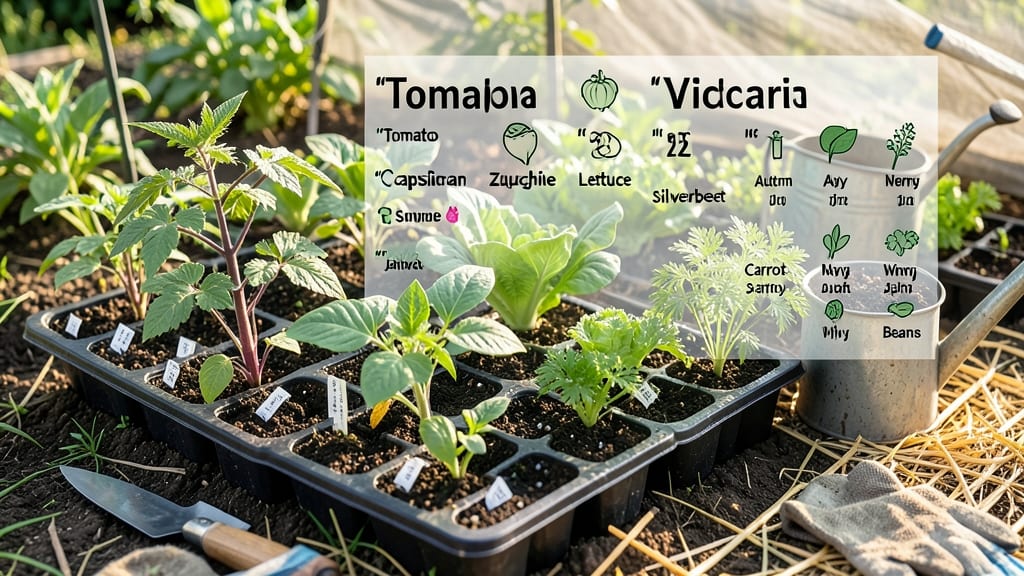
Timing your vegetable planting in Victoria Australia could make or break your harvest—get it wrong, and you’ll watch your hard work wilt before it even takes root.
With Victoria’s diverse climate—from the cool coastal breezes of Melbourne to the hot inland plains—knowing when to plant vegetables isn’t just about following a calendar. It’s about reading the land. Whether you’re growing frost-sensitive tomatoes or hardy carrots, the right timing ensures your 🌱 thrives year-round.
I’ve dug into the data from local agricultural experts to break down the best planting windows for your region. From early spring sowings in Gippsland to late-autumn prep for Wimmera, we’ll cover everything you need to know to avoid common mistakes and maximize your garden’s potential.
Ready to transform your patch of dirt into a productive vegetable haven? Let’s get started with a month-by-month guide tailored to Victoria’s unique growing zones.
Victoria’s vegetable planting zones: when to start based on your region
Victoria’s climate varies dramatically from the cool coastal regions of Gippsland to the hot inland areas of the Mallee. These differences mean your planting timeline should depend on where you live.
For example, Melbourne’s frost dates differ by weeks from the Yarra Valley, while inland areas like the Wimmera experience earlier last frosts and hotter summers.
Understanding your specific planting zone helps you avoid common mistakes like planting tomatoes too early in Melbourne’s frost-prone spring or sowing carrots too late in the Mallee’s intense summer heat. Let’s break down the key regions and their ideal planting windows based on frost dates and soil temperatures.
🌱 Key Regions & Frost Dates:
If you’re in Melbourne’s urban areas, aim to plant frost-sensitive crops like cucumbers and beans after the mid-September last frost date. Meanwhile, Gippsland gardeners can start sowing earlier due to milder winters, while inland regions should focus on early spring planting to beat the summer heat.
Soil temperature is another critical factor. Most vegetables thrive when soil reaches 10-15°C. In Melbourne, this typically happens by late September, while in the Mallee, it warms up faster by mid-August. Use a soil thermometer to check before planting seeds or seedlings.
Microclimates also play a role. For example, hillsides in the Yarra Valley may experience earlier frosts than nearby valleys. If you’re unsure about your specific microclimate, observe your garden’s behavior over a few seasons or consult local agricultural extension services for tailored advice.
For frost-sensitive crops like tomatoes, capsicums, and eggplants, always wait until after the last frost date. In contrast, hardy vegetables such as kale, broccoli, and peas can tolerate light frosts and may even benefit from cool autumn temperatures, which improve their flavor.
Pro tip: Use row covers or cloches to extend your growing season. These tools can protect young plants from unexpected late spring frosts or early autumn chills, giving you a longer harvest window in all Victoria regions.
🌿 Whether you’re in Melbourne’s bustling suburbs or the Mallee’s sunbaked plains, aligning your planting schedule with your local climate zone is the key to a successful vegetable garden.
Month-by-month planting calendar for Victoria’s top vegetables
Victoria’s climate offers a long growing season for vegetables, but timing is everything. Whether you’re in cool coastal Melbourne or the warmer Wimmera, this month-by-month guide ensures you plant at the perfect time for tomatoes, beans, carrots, and herbs. I’ll also share succession planting tips and how to extend seasons with row covers or greenhouses. Spring (September–November) is the best time to start most vegetables. Cool-season crops like broccoli, lettuce, and peas thrive in September-October, while tomatoes and beans can wait until late October-November when soil warms. Herbs like basil love the warmer spring soil but need frost protection in early spring.| Month | Vegetable | Planting Time | Notes |
|---|---|---|---|
| September | Broccoli, Lettuce, Peas | Direct Sow or Transplant | Cool-season crops; protect from late frosts |
| October | Carrots, Spinach, Radishes | Direct Sow | Ideal for fast-growing greens; mulch to retain moisture |
| November | Tomatoes, Beans, Basil | Transplant or Direct Sow | Wait until soil is warm (15°C+); use row covers for frost |
| December | Cucumbers, Zucchini, Corn | Direct Sow or Transplant | Summer crops need full sun and consistent water |
| January | Pumpkins, Sweet Potatoes | Direct Sow | Heat-loving crops; mulch to prevent soil drying |
| February | Spring Onions, Garlic | Plant for Autumn Harvest | Prepare for late summer planting; harvest in autumn |
| March | Silverbeet, Kale | Direct Sow | Cool down for autumn planting; protect from heatwaves |
| April | Potatoes, Leeks | Plant for Spring Harvest | Early autumn; mulch heavily to retain moisture |
🌱