
Plants
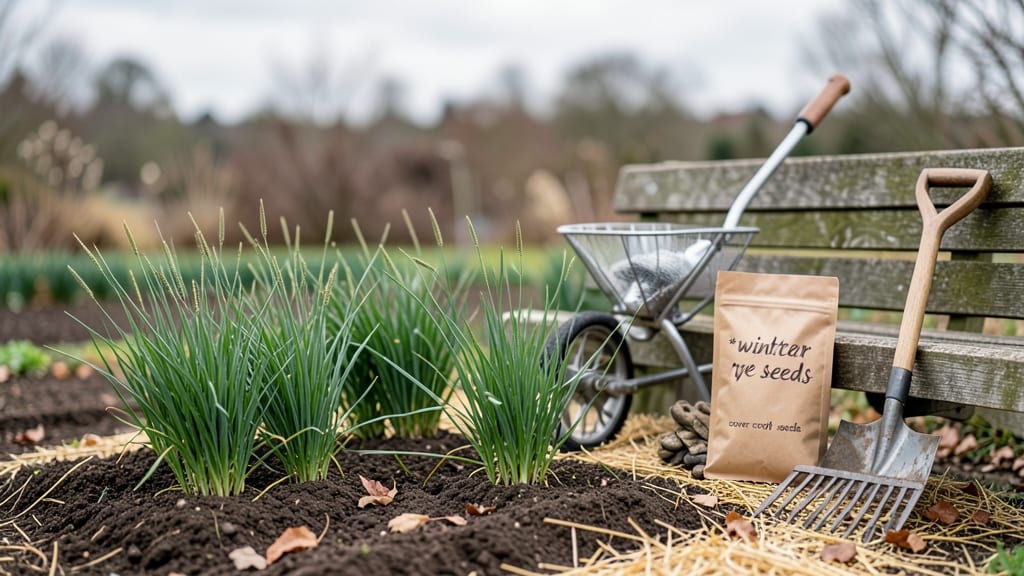
Timing your Winter Rye 🌾 planting in Georgia can make or break your cover crop's success—get it wrong, and you might end up with weak growth or missed soil protection benefits.
This hardy grass thrives when planted 4-6 weeks before the first frost, typically between late August and early October, but Georgia's diverse microclimates mean your exact window could shift by weeks depending on whether you're in the mountains, Piedmont, or coastal plains.
I'll break down the optimal planting deadlines for each region, plus how to adjust for early frosts or unpredictable winters—so you can maximize erosion control and soil health before spring planting.
From variety selection to soil prep, here's everything you need to know to plant Winter Rye at the perfect moment for Georgia's climate.
Georgia’s optimal winter rye planting windows by region (north vs. south vs. coastal)
Georgia’s diverse microclimates mean your winter rye planting window can vary by 1-2 months depending on whether you’re in the North Georgia mountains, Piedmont region, or Coastal Plain.
The key is planting 4-6 weeks before the first frost—but since Georgia’s frost dates shift 100+ miles north to south, local data matters.
For example, Atlanta (Zone 7b-8a) typically sees its first frost around November 15, while Savannah (Zone 8b) may wait until December 1. Meanwhile, Blue Ridge (Zone 6b-7a) can experience frost as early as October 20.
These differences directly impact your ideal planting window for maximum cover crop success.
Here’s how to align your planting with Georgia’s 5 key regions, including soil temperature thresholds and frost-free calculations:
🌾 Georgia Winter Rye Planting Windows by Region
| Region | USDA Zone | First Frost Date | Optimal Planting Window | Soil Temp Threshold |
|---|---|---|---|---|
| North GA Mountains (e.g., Blue Ridge) | 6b-7a | Oct 20 - Nov 5 | Aug 15 - Sep 15 | 60°F+ (15°C+) |
| Piedmont (e.g., Atlanta, Athens) | 7b-8a | Nov 1 - Nov 15 | Aug 20 - Oct 5 | 60°F+ (15°C+) |
| Coastal Plain (e.g., Savannah, Brunswick) | 8a-9a | Nov 20 - Dec 5 | Sep 1 - Oct 15 | 65°F+ (18°C+) |
| Wiregrass (e.g., Albany, Valdosta) | 8b-9a | Dec 1 - Dec 15 | Sep 10 - Oct 25 | 65°F+ (18°C+) |
| Metro Atlanta (Urban Heat Islands) | 7b-8a | Nov 5 - Nov 20 | Aug 25 - Sep 25 | 60°F+ (15°C+) |
*Source: Georgia Climate Project & USDA Frost Data (2023). Adjust 1-2 weeks earlier for high-altitude areas or later for heat islands.
Notice how Coastal Georgia has a later planting window due to milder winters? This is why soil temperature (not just frost dates) is critical. Winter rye germinates best when soil is 60°F+ (15°C+) in cooler zones and 65°F+ (18°C+) in warmer southern regions.
Use a soil thermometer to confirm—planting too late can stunt growth before winter sets in.
For North Georgia gardeners, aim to finish planting by September 15 to ensure the crop establishes before early October frosts.
In contrast, Savannah growers can safely plant until October 15 thanks to the 10-14°F warmer winters in Zone 8b. Even a 2-week delay in southern Georgia can mean 30% more biomass by spring.
Pro tip: If you’re in Zone 7a or cooler, consider a <
How to adjust planting dates for early frost, late frost, OR unpredictable Georgia winters
Georgia’s winters can be as unpredictable as a hummingbird’s flight pattern—one year you’ll get a mild winter, and the next, a hard freeze hits early. Since winter rye thrives in cool temperatures but struggles with extreme cold or late summer heatwaves, adjusting your planting window is key. The goal? Give your rye enough time to establish roots before first frost but avoid planting so late that it bolts or fails to mature. If you’re in North Georgia’s mountains (Zone 7a), where frosts can arrive as early as October 15, you’ll need to plant by mid-September to ensure germination before cold snaps. Meanwhile, in South Georgia’s Wiregrass region (Zone 8a), where frosts often wait until November 1, you might still have time to plant in early October. Coastal areas like Savannah (Zone 8b) can sometimes push planting into late October, but always check your local frost-free date to avoid risk. Here’s how to fine-tune your timing based on Georgia’s quirks:🌱 5 Proactive Strategies for Adjusting Winter Rye Planting Dates
- 1. Plant Early for Early Frost Zones: In North Georgia (Zone 7a), aim for late August to mid-September—this gives rye 4-6 weeks to establish before first frost (avg. Nov 15). Use a seed drill for even coverage.
- 2. Extend the Window with Late Plantings: If you miss the ideal window, late September to early October still works in Zone 8a/8b. Just reduce seed depth to ½ inch for faster germination in warmer soil.
- 3. Adjust Seed Depth for Soil Temps: If planting in October, soil temps may still be 70°F+. Plant seeds ¼ inch deeper to keep them cool and prevent bolting. Use a moisture meter to confirm soil is 50-60°F.
- 4. Emergency Replanting for Early Cold Snaps: If temps drop below 32°F before seeds sprout, replant with cold-hardy varieties like ‘Cerro’ or ‘Wheeler’. Space seeds ½ inch apart for faster regrowth.
- 5. Use Row Covers for Late Plantings: If you plant in October and fear frost, use floating row covers to protect young seedlings. Remove covers during the day to avoid overheating.
🌾