
Plants
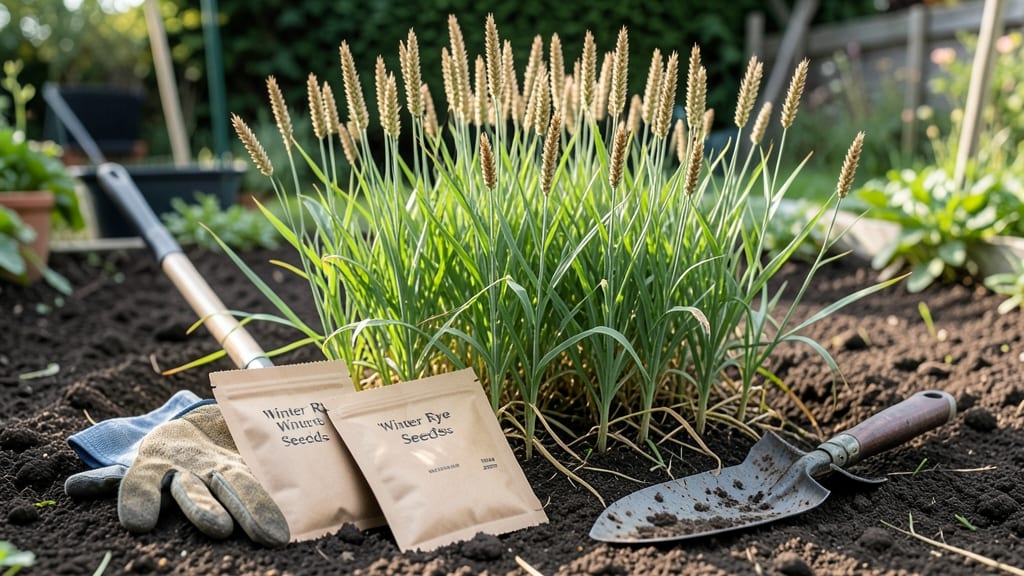
If you're planting winter rye in North Carolina this year, timing is the secret weapon between a thriving cover crop and wasted effort. The late summer window—August through early October—is your golden opportunity to establish this hardy grass before frost locks the soil.
Miss it, and you risk weak growth or a battle with weeds all winter.
Why does this matter? Winter rye 🌾 isn’t just another green blanket—it’s your soil’s shield against erosion and a nitrogen booster for next season’s garden.
In NC’s 7a-8b zones, planting 4–6 weeks before your first frost (usually around November 1) gives roots time to anchor before winter dormancy kicks in.
But here’s the catch: Coastal NC’s milder winters mean you can push planting later than the Piedmont or Mountains. We’ll break down the exact dates for your region, plus how to adjust if summer heat lingers or early frosts surprise you.
No guesswork—just data-backed timing to set your cover crop up for success.
Ready to lock in your planting schedule? Let’s dive into the perfect late-summer window and the simple steps to ensure your winter rye thrives—no matter what NC’s weather throws your way.
Optimal late summer planting dates for winter rye in NC regions
North Carolina’s diverse climate—from the coastal lowlands to the mountainous west—means your winter rye planting window varies by region. The key is planting 4–6 weeks before the first frost, but exact dates shift from early September in the mountains to mid-October near the coast.
Let’s break it down by zone to avoid frost damage or wasted seeds.
For USDA zones 7a–8a (covering most of NC), aim to plant between August 15 and September 30. This window ensures seeds germinate and establish roots before temperatures drop below 50°F, which slows growth.
Use your local NC State Extension frost date maps to pinpoint your exact cutoff—coastal areas like Wilmington often get a later frost than Asheville.
In the mountains (zone 7a), where frosts can arrive as early as October 15, plant by September 1. The cooler climate speeds up dormancy, so don’t wait too late.
Meanwhile, in the Piedmont (zone 7b–8a), your window stretches to mid-October, giving you flexibility if summer delays your prep.
Here’s the critical rule: Soil temperature matters more than air temperature. Winter rye needs soil at at least 55°F for germination. Use a soil thermometer to confirm—cool, damp soils in October can stall seeds even if air temps seem mild.
Pro tip: Plant when daytime highs are 70–80°F for best results.
| NC Region | USDA Zone | Ideal Planting Window | First Frost Avg. | Soil Temp. Threshold |
|---|---|---|---|---|
| Coastal Plains | 8a–8b | Sept 15–Oct 15 | Nov 10–15 | 55–60°F |
| Piedmont | 7b–8a | Aug 20–Sept 30 | Oct 30–Nov 5 | 50–55°F |
| Mountains | 7a | Aug 1–Sept 15 | Oct 10–20 | 45–50°F |
If you’re in zone 8b (eastern NC), don’t plant too early—June or July sowings can bolt or struggle in summer heat. Wait until August to avoid stress. For organic gardeners, consider a hairy vetch mix if planting late; vetch tolerates cooler soils better than rye alone.
Watch for unpredictable weather: A late August heatwave can push your frost date back, while a cold snap in September might bring frost earlier. Check the NC Climate Office for 10-day forecasts before seeding.
In my Piedmont garden, I once planted on September 20—only for a 28°F dip two weeks later. Lesson learned: err on the early side if frost warnings loom.
Pro move: Test your soil’s organic matter before planting. Winter rye thrives in 5–10% organic matter, but NC’s sandy soils often need a boost. Add composted leaves or aged manure 2–3 weeks pre-planting to improve water retention. This is especially critical in drought-prone zones like the Sandhills.
For container growers, use 6-inch-deep pots with drainage holes and plant by September 1—containers cool faster in frost. Mulch with straw to insulate roots. And remember: thinner seeds = better establishment. Aim for 1.5–2 lbs per 100 sq ft for dense coverage before winter.
Timing isn’t just about frost—it’s about weed competition. Plant winter rye when summer annuals (like crabgrass) are fading but before winter weeds (like henbit) take over. In my coastal garden, I’ve found late September plantings outcompete weeds better than October starts.
5 Critical factors that determine your perfect planting window
Planting winter rye in North Carolina isn’t just about picking a date—it’s about understanding five key factors that can make or break your cover crop’s success. From soil temperatures to frost predictions, each plays a role in ensuring your rye establishes strong roots before winter sets in.
First, soil temperature is non-negotiable. Winter rye thrives when soil temps hover between 60°F and 75°F—ideal for germination. In NC’s Piedmont region, this typically aligns with late August to early September, while coastal areas may wait until mid-September due to slower cooling.
Next, frost-free days remaining dictate your planting deadline. Aim to seed winter rye 4–6 weeks before the first expected frost. In USDA Zone 7a (mountains), this might mean planting by early September, while Zone 8b (coastal) could stretch to mid-October.
Don’t overlook seed depth—planting too shallow or deep can stall germination. Winter rye seeds need ½ to ¾ inch of soil coverage for consistent sprouting. Use a seed drill or broadcast spreader to ensure even distribution, especially on larger plots.
Adjust for early/late frosts by monitoring NOAA frost forecasts or local Cooperative Extension Service updates. If an early freeze is predicted, prioritize soil moisture (keep it damp but not waterlogged) to help young plants survive the shock.
Finally, seedling competition from weeds or existing vegetation can derail your cover crop. Clear the area of perennial weeds or till the soil lightly before planting to give winter rye an unobstructed start.
🌱