
Plants
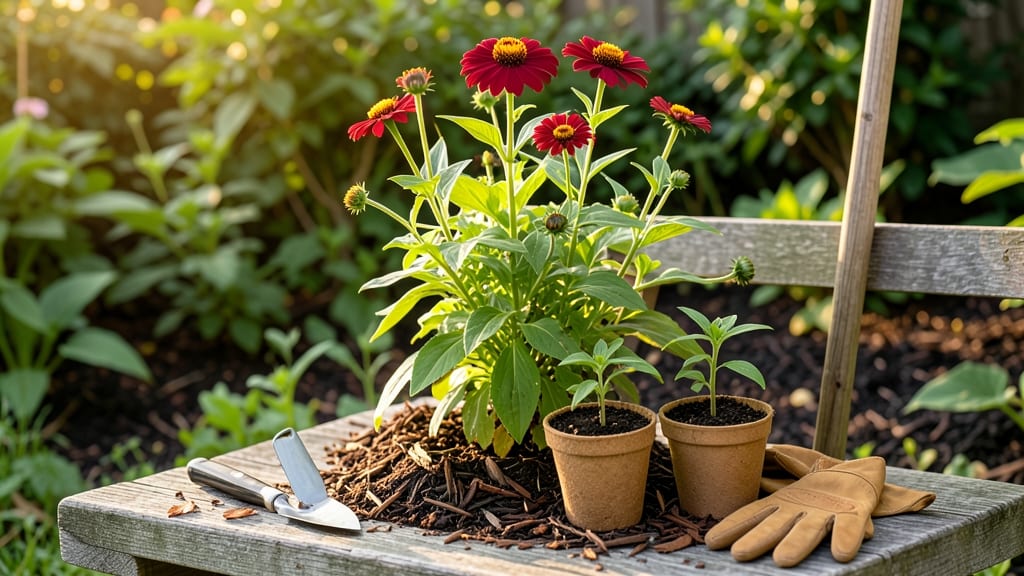
Knowing when to plant zinnias in Indiana means the difference between a garden bursting with vibrant blooms and one that fizzles before summer even arrives.
With Indiana’s unpredictable spring weather—where frost can linger into May in some areas while southern regions warm up early—getting those seeds in the ground at the perfect moment is the key to success.
You’ve probably heard the general rule: plant after the last frost. But in Indiana’s 6a zone, that’s not quite enough. The real magic happens when soil temperatures hit at least 50°F, and the window between April 15 and May 15 gives you the safest bet.
Whether you’re direct-sowing or transplanting those cheerful 🌼 seeds, this guide breaks down exactly when to act—and how to avoid the heartbreak of late frosts ruining your hard work.
Let’s cut through the guesswork. I’ll walk you through Indiana’s microclimate quirks—from the cooler north to the warmer southern regions—so you can match your planting schedule to your exact corner of the state.
Plus, I’ll share pro tips to stretch your zinnias’ blooming season from June all the way through October, even when summer’s heat tries to slow them down.
Ready to transform your garden into a nonstop parade of color? Grab your gloves, and let’s get those zinnias in the ground at the perfect moment—because in Indiana, timing isn’t just important, it’s everything.
Indiana zinnia planting deadlines by microclimate zone (with frost risk charts)
Indiana’s 5 distinct microclimates mean your zinnia planting window can vary by 3-4 weeks depending on location. Northern regions like Gary or Fort Wayne face later frost risks, while southern areas like Evansville or Louisville enjoy earlier starts.
Understanding these differences ensures your zinnias bloom vibrantly from June through October.
For all Indiana gardeners, the soil temperature threshold is critical: zinnias won’t germinate well below 50°F (10°C).
Use a soil thermometer to confirm readiness—this often aligns with mid-April to early May across most zones. Direct sowing is preferred, but transplants can go in 2-3 weeks earlier if hardened off properly.
Here’s how Indiana’s microclimate zones break down for zinnia planting:
If you’re in a high-risk frost zone (like northern Indiana), consider starting zinnias indoors 4-6 weeks before your target outdoor date. Use grow lights to simulate long daylight hours, then transplant seedlings when soil warms to 55°F (13°C).
This head start can add 3-4 weeks of bloom time to your season.
For direct sowing outdoors, scatter seeds ¼-inch deep in rows spaced 12-18 inches apart. Thin seedlings to 10-12 inches apart once they reach 2 inches tall.
This spacing prevents powdery mildew, a common issue in Indiana’s humid summers. Mulch with straw or shredded leaves to retain moisture and suppress weeds.
Indiana’s first frost typically arrives between October 10-20, depending on the zone. To extend your zinnias’ lifespan, plant succession crops every 2-3 weeks from May through July. This staggered approach ensures continuous blooms until hard frost, giving you vibrant cut flowers for arrangements well into autumn.
Watch for late spring frosts in northern Indiana—these can devastate young seedlings. Use frost cloth or a mini greenhouse to shield plants until they’re 4 inches tall. Even a light frost can damage zinnias, so monitor forecasts and be ready to cover plants if needed.
Pro tip: Mark your calendar for Indiana’s average frost-free dates and plan to sow zinnias 45-60 days before your local first frost. This timing ensures full maturity and maximum bloom potential before winter sets in.
For example, gardeners in Evansville can start as early as April 1, while those in Gary should wait until May 10.
Zinnias thrive in Indiana’s hot summers, but they need consistent moisture during establishment. Water deeply once a week (or more during droughts) to encourage strong root growth. Once established, they’re drought-tolerant, making them perfect for Indiana’s occasional dry spells.
🌼
How to extend zinnia blooms: soil prep, spacing, and succession planting tips for Indiana gardens
Indiana’s variable humidity and unpredictable summer rains can turn your zinnias from showstoppers to sad saplings if you don’t prep properly. The key to long-lasting blooms starts with well-draining soil—especially in heavy clay regions like northern Indiana, where poor drainage invites root rot.
I’ve found that amending soil with compost or sand (1 part to 3 parts soil) works wonders for both clay and sandy loam areas.
Zinnias thrive in full sun, but Indiana’s late spring frosts (even in May) can still catch them off guard. To protect young plants, I use row covers or plant heat-loving varieties like 'Benary’s Giant' slightly later in central Indiana.
Southern Indiana gardeners have a 2-week advantage—they can start direct sowing as early as mid-April in most years.
Indiana-Specific Zinnia Care Mistakes
- Overcrowding: Planting seeds too close (less than 6 inches apart) leads to powdery mildew in Indiana’s humid summers.
- Late planting: Waiting until after June 1 risks bolting before blooming in northern Indiana’s shorter growing season.
- Poor spacing: Dwarf varieties need 8-12 inches between plants, while tall types require 18+ inches for airflow.
- Ignoring succession: Planting all seeds at once means short-lived blooms—stagger plantings every 2 weeks for continuous color.
- Skipping deadheading: Letting spent blooms stay on plants reduces flower production by 40% in Indiana’s heat.
For succession planting, I recommend sowing zinnias in three waves: the first batch in late April (after last frost), a second in early June, and a final group in mid-July.
This ensures blooms from June through October, even when Indiana’s early fall frosts arrive. Pro tip: Use biodegradable pots for transplants—they reduce root disturbance when moving seedlings to the garden.
Spacing is non-negotiable in Indiana’s humid climate. I space dwarf zinnias 8-10 inches apart and taller varieties 12-18 inches apart to prevent fungal diseases.
In container gardens, use at least one 5-gallon pot per plant—zinnias are heavy feeders and need room to stabilize in Indiana’s windy conditions, especially near Lake Michigan.
Watering zinnias in Indiana requires a delicate balance. Young plants need daily watering until established, but mature zinnias are drought-tolerant. I water deeply in the morning (before 10 AM) to prevent fungal issues, and always avoid overhead watering during the day.
Mulching with straw or shredded leaves helps retain moisture while keeping roots cool—a must in Indiana’s hot summers.
To maximize blooms, I feed zinnias with a balanced fertilizer (5-10-10) every 4-6 weeks starting in June. In northern Indiana, I reduce feeding by July 15 to harden off plants before frost.
Southern Indiana gardeners can extend blooms until mid-October with a final light feeding in early September. Remember: Over-fertilizing leads to leafy growth at the expense of flowers.