
Companion Plants
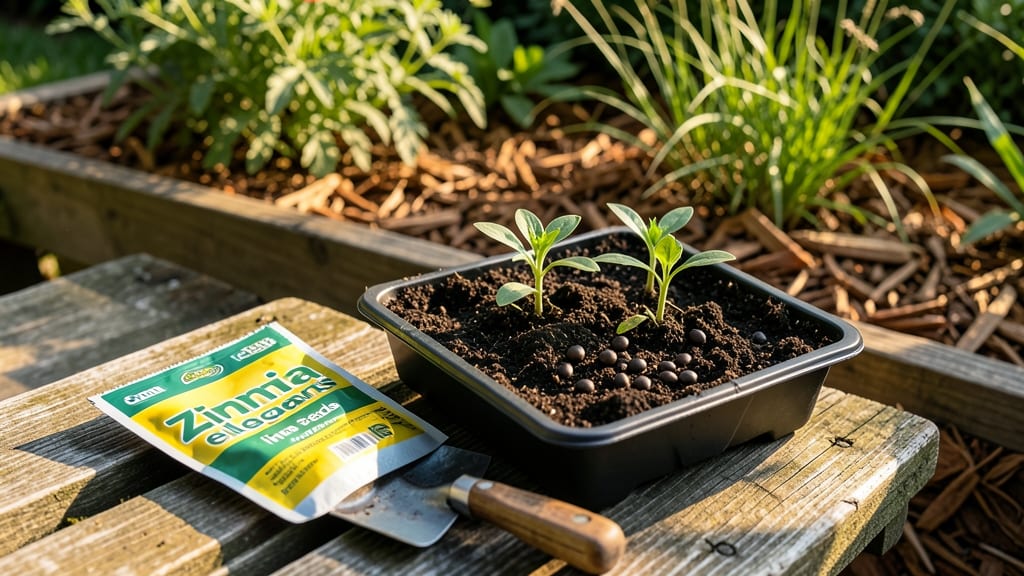
If you're dreaming of a garden bursting with vibrant zinnias 🌼 come summer, planting zinnia seeds at the right time in PA is the key to success in Pennsylvania's unpredictable climate.
Planting too early risks frost damage, while waiting too long can cut your blooming season short—so knowing when to plant zinnia seeds in PA makes all the difference.
Pennsylvania's diverse microclimates—from the cooler Poconos to the warmer Pittsburgh region—mean your ideal planting window could vary by weeks.
The general rule is to wait until after your last frost date, typically around April 15, but soil temperature and local conditions play a huge role in extending that colorful season.
In this guide, I'll break down the exact planting dates for your specific zone, whether you should direct sow or transplant, and how to maximize blooms with succession planting.
You'll also learn how to adjust for late frosts, urban heat islands, and other PA-specific challenges that can make or break your zinnias.
Ready to transform your garden into a nonstop parade of cheerful blooms? Let's get those seeds in the ground at the perfect moment for your corner of Pennsylvania.
Best planting dates for zinnia seeds in Pennsylvania’s microclimate zones
Pennsylvania’s diverse climate zones—from the cool Poconos to hot Pittsburgh suburbs—mean zinnia planting dates vary by 10 days or more. To maximize your bloom season, align your planting with your USDA zone and local frost dates.
Most gardeners in PA plant zinnias between April 15 and June 1, but early starts in heat zones or late starts in cooler areas work too.
Zinnias thrive in warm soil—aim for 60°F or higher. Use a soil thermometer to check before planting. In Zone 5b (northwest PA), wait until May 1 to avoid frost damage.
In Zone 7a (southeast PA), you can start as early as April 15 or even late March under shade cloth for early blooms.
Here’s how to time your zinnia planting by PA region for the longest flowering season:
| Region | USDA Zone | Last Frost Date | Ideal Planting Window | Soil Temp Requirement |
|---|---|---|---|---|
| Northwest PA (Poconos, Erie) | 5b | May 15 | May 1 - June 1 | 60°F+ |
| Central PA (Harrisburg, State College) | 6a | April 25 | April 25 - May 15 | 55°F+ |
| Southeast PA (Philadelphia, Lancaster) | 7a | April 15 | April 1 - May 10 | 50°F+ |
| Southwest PA (Pittsburgh, Altoona) | 6b | April 20 | April 20 - May 15 | 55°F+ |
For urban gardeners in cities like Philadelphia or Pittsburgh, heat islands can push planting dates 1-2 weeks earlier. Monitor local weather forecasts and use shade cloth if starting seeds indoors in late March. Heat-tolerant varieties like ‘Benary’s Giant’ or ‘Profusion’ handle late starts better than delicate types.
If you miss the ideal window, don’t worry—zinnias are fast-growing. You can still sow seeds until June 15 in most of PA, though blooms will arrive 4-6 weeks later. For late-season color, try succession planting every 2 weeks until July 1.
Always plant zinnia seeds ¼ inch deep and 12-18 inches apart for optimal airflow. In containers, use well-draining soil and place pots in full sun to speed up germination. With the right timing, your zinnias will bloom from July to October, attracting pollinators all season.
Pro tip: Mark your calendar for October 15, the average first frost in PA. This helps plan your last planting—aim for seeds to sprout and grow before frost hits. In cooler zones, opt for dwarf varieties like ‘Thumbelina’ to avoid wind damage.
🌼
Best planting dates for zinnia seeds in Pennsylvania’s microclimate zones
Pennsylvania’s USDA zones 5b-7a create dramatic differences in zinnia planting success. In the Poconos (zone 5b), last frost typically arrives around May 15, while Pittsburgh (zone 7a) sees frost-free conditions by April 1.
These variations mean your planting window could be 6 weeks earlier in western PA compared to the northeast mountains.
Zinnias thrive when soil temperatures reach 60°F (15°C)—a threshold usually met by late April in Philadelphia but not until early June in Scranton. Planting too early risks rotten seeds in cold soil, while waiting too long cuts your bloom season short.
My rule? Start seeds indoors 4-6 weeks before your last frost or direct-sow when soil is reliably warm.
| PA Region | USDA Zone | Last Frost Date | Ideal Planting Window | Late Start Tip |
|---|---|---|---|---|
| Western PA (Pittsburgh) | 7a | April 1 | April 15 - May 15 | Choose Benary's Giant (fast-maturing) |
| Central PA (Harrisburg) | 6b | April 10 | April 20 - May 20 | Use shade cloth for early starts |
| Northeast PA (Scranton) | 5b | May 15 | May 1 - June 1 | Wait for soil at 60°F+ |
| Southeast PA (Philadelphia) | 7a | April 5 | April 10 - May 10 | Sow every 2 weeks for succession |
For container gardening in urban PA, use heat-mat trays to warm soil 2-3 weeks earlier. My Philadelphia balcony zinnia patch thrives when I start seeds in late March under grow lights, then transplant after May 1. Just ensure containers have drainage holes—zinnias hate soggy roots.
Pro tip: Test soil temperature with a thermometer before planting. If it’s below 55°F (13°C), wait. In zone 5b, this often means delaying until late May. For extended blooms, make a second planting in early July—these late starts often flower until first frost.
Remember: Zinnias are annuals with 60-80 day maturity. Planting on May 15 in Pittsburgh gives you blooms until October 15, while the same date in Scranton might only yield 6 weeks of flowers. Adjust your timeline to match your local microclimate—not just the USDA zone!
🌼