
Plants
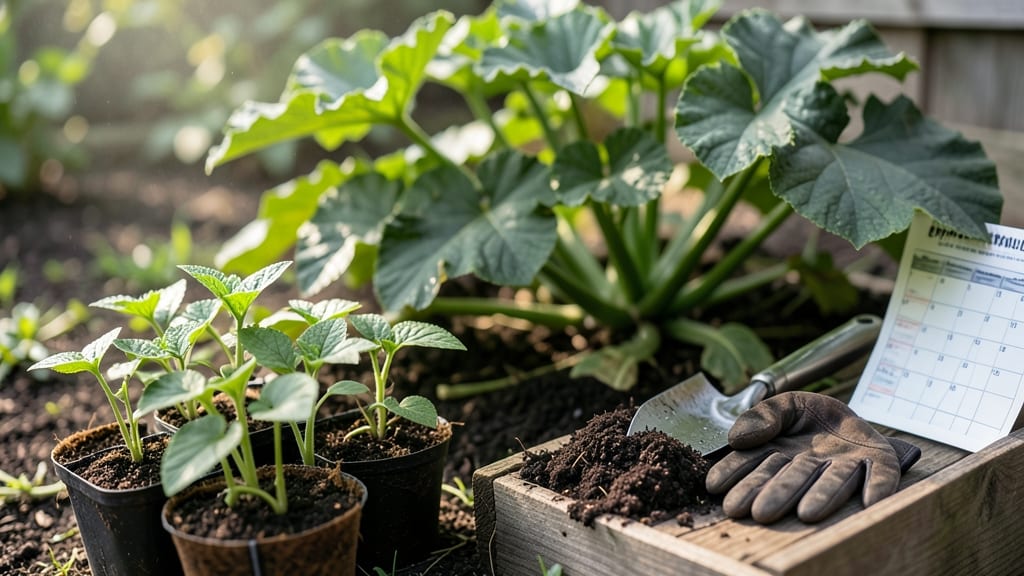
Timing your zucchini planting in Washington State isn’t one-size-fits-all—coastal gardens near Seattle thrive with early starts, while inland valleys like Yakima need to wait for soil to warm. Get this wrong, and you’ll either face frost damage or miss the sweet spot for summer harvests.
Washington’s microclimates create a 100-day difference in ideal planting windows, from late April in the Puget Sound to early June in the Columbia Basin. I’ll break down exactly when to plant based on your zone, plus how to adjust for late starts or cool springs.
Whether you’re a first-time gardener or a seasoned grower, these deadlines will help you avoid common mistakes like planting too early in chilly coastal areas or too late in hot inland zones. Let’s make sure your 🌱 zucchini gets the perfect head start.
You’ll also discover how to extend your growing season with simple tricks, so you can keep harvesting until fall. Ready to turn your garden into a zucchini powerhouse? Let’s dive in.
Washington State zucchini planting deadlines by microclimate Zone
Washington’s three distinct microclimates—coastal, inland valleys, and high desert—create wildly different zucchini planting windows. Coastal areas like Seattle and Bellingham have late frost dates (May 15–June 1), while Eastern WA’s Palouse can plant 2–3 weeks earlier thanks to hotter summers.
Central WA’s Cascade foothills fall somewhere in between, with USDA Zones 6–8 influencing your schedule.
For peak production, aim to plant 2–3 weeks after your last frost date when soil reaches 60°F+. Zucchini thrives in warm soil, so use a soil thermometer to confirm readiness.
In Western WA, this often means late May to early June, while Eastern WA can start as early as mid-April in sheltered areas.
Here’s your microclimate-specific planting guide, based on WSU Extension data and local frost records:
🌱 Washington Zucchini Planting Deadlines by Zone
| Zone | Last Frost Date | Optimal Planting Window | Soil Temp Requirement | Notes |
|---|---|---|---|---|
| Western WA (Coastal) | May 15–June 1 | June 1–15 | 60°F+ | Use row covers for early starts |
| Central WA (Cascade Foothills) | April 30–May 15 | May 15–30 | 55°F+ | Black plastic mulch warms soil faster |
| Eastern WA (Palouse/High Desert) | April 15–May 1 | April 30–May 15 | 50°F+ | Dry heat = faster germination |
If you’re in Zone 8 (e.g., Yakima Valley), you can even plant zucchini in early April under row covers or in greenhouses. For coastal gardeners, late June plantings can still yield fall harvests if you choose fast-maturing varieties like ‘Eight Ball’ (50 days to harvest).
Pro tip: Succession plant every 2 weeks in Eastern WA to stretch your harvest into September or October. In Western WA, focus on one main planting in early June and one late planting in July for fall zucchini.
For direct-sown zucchini, seeds sprout best at 70–90°F soil temps. If your soil is too cold, start seeds indoors 2–3 weeks before your target outdoor date. Use biodegradable pots to avoid transplant shock when moving seedlings outdoors.
Always check WSU Extension’s frost maps for your exact location, as microclimates can shift even within cities. For example, Seattle’s University District may frost 2 weeks later than Ballard due to urban heat islands.
Remember: Zucchini hates cold soil. If you plant too early, seeds may rot in the ground or produce stunted, yellowing plants. Wait for consistent warmth—your zucchini will thank you with bigger, sweeter fruits.
How to extend your zucchini growing season in Washington’s short summers
Washington’s summers are short—especially in the coastal regions—but with the right strategies, you can double your zucchini harvest. Inland areas like Yakima Valley enjoy longer heat, but even there, late-season frosts can sneak in by September.
The key is matching your approach to your microclimate and variety choice.
Coastal gardeners in Seattle and Olympia face the biggest challenges: cooler soils and earlier frosts. But with row covers or cold frames, you can push harvests into October. Inland growers, meanwhile, should focus on succession planting and black plastic mulch to retain heat and moisture during dry spells.
🌱 Extending Your Zucchini Season: Pros & Cons
Pros: Extends season by 4-6 weeks, protects from light frosts, works for coastal zones.
Cons: Requires setup, may need ventilation on warm days, limits access to plants.
Pros: Lightweight, easy to remove, allows airflow, budget-friendly.
Cons: Needs staking, less protection than cold frames, may reduce pollination if too tight.
Pros: Warms soil faster, suppresses weeds, conserves moisture, ideal for inland areas.
Cons: Requires removal at season’s end, can overheat soil in extreme heat, not reusable.
Pros: Staggered harvests, maximizes space, reduces pest pressure, works for all regions.
Cons: Requires planning, may need greenhouse starts for late plantings, labor-intensive.
For late-season plantings, choose cold-hardy varieties like ‘Eight Ball’ zucchini, which tolerates cooler soils better than ‘Black Beauty’. Plant these in late June or early July under row covers, and you’ll still get a harvest before the first frost.
In Eastern WA, where nights cool quickly, use black plastic mulch to keep roots warm.
Another trick? Plant near reflective surfaces like white gravel or light-colored walls to boost soil temperature by 5-10°F. This is especially helpful in Puget Sound’s cloudy summers, where sunlight can be scarce.
Pair this with a drip irrigation system to maintain consistent moisture—zucchini wilts faster in dry, inland areas like Wenatchee.
Don’t forget to harvest aggressively in late summer. Overgrown zucchini (especially ‘Mushroom’ varieties) won’t ripen properly in cooler weather. Pick every 3-4 days to encourage more production, and your plants may keep yielding until mid-October in sheltered spots.
If you’re in Zone 7 or higher (like Spokane or Pullman), consider a mini greenhouse for a fall crop. Start seeds indoors in late July, transplant outdoors in August, and use a thermometer to monitor soil temps—aim for 65°F or warmer for germination.
With these strategies, you’ll turn Washington’s short summers into a zucchini goldmine. The secret? Adapt to your local climate—whether you’re battling coastal chill or inland heat—while keeping your plants fed, watered, and protected. 🌱