
Plants
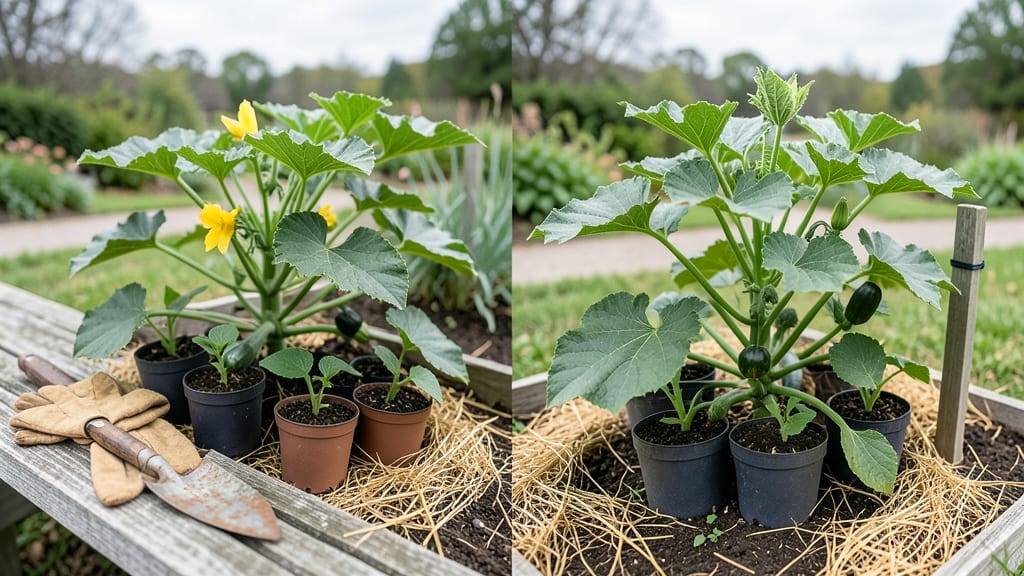
Timing your zucchini planting in Wisconsin isn’t just about waiting for spring—it’s about dodging frost pockets, soil temperature quirks, and regional microclimates that can turn a perfect plan into a sad, wilted 🎃.
Whether you’re in Milwaukee’s urban heat zone or Door County’s lake-effect chill, planting too early risks frost-killed seedlings, while waiting too long might mean missing summer’s harvest window.
Here’s the game-changer: Wisconsin’s USDA zones 4b-6a demand precision, not guesswork. I’ll break down the exact frost-free deadlines for your area—because a mid-April start in Madison won’t cut it for Eau Claire’s later frost dates.
Plus, I’ll show you how to stretch your harvest into fall with simple tricks like row covers and succession planting.
You’ll also learn the one critical mistake Wisconsin gardeners make—planting in cold soil—that stalls growth and attracts pests. Skip the trial-and-error: this guide gives you the data-backed timing, soil checks, and microclimate hacks to turn your garden into a zucchini powerhouse.
Ready to go from “hopefully it grows” to “harvesting bushels by July”? Let’s get those seeds in the ground at the perfect moment for your corner of Wisconsin.
Wisconsin zucchini planting dates by region: frost-free deadlines & microclimate adjustments
Wisconsin’s USDA hardiness zones 3a-5a create dramatic differences in zucchini planting windows. Northern regions like Duluth (Zone 4a) face late May deadlines, while southern areas like Madison (Zone 5a) can start as early as mid-April. The key is waiting for soil temperatures above 55°F—cold soil delays germination.
Your last frost date determines everything. In northern Wisconsin, this typically falls between May 15-30, while southern Wisconsin sees frost depart by mid-April. Planting too early risks seedling death from returning frost, while waiting too long may limit your harvest window.
🌱 Microclimate matters: Urban areas like Milwaukee experience heat islands that can push planting 2 weeks earlier, while Door County near Lake Michigan gets delayed by lake-effect cooling. Always check your local frost maps for precision.
For direct sowing (recommended for zucchini), aim to plant 2-3 weeks after your last frost date. This gives seedlings time to establish before summer heat arrives. Northern Wisconsin gardeners should wait until late May, while southern Wisconsin can start by early May.
| Region | USDA Zone | Last Frost Date | Planting Window | Soil Temp Threshold |
|---|---|---|---|---|
| Northern Wisconsin (Duluth, Superior) | 4a | May 15-30 | Late May - Early June | 55°F+ |
| Central Wisconsin (Madison, Milwaukee) | 5a | April 15-30 | Early May - Mid-May | 55°F+ |
| Southern Wisconsin (La Crosse, Eau Claire) | 5b | April 1-15 | Mid-April - Early May | 55°F+ |
| Driftless Region (Prairie du Chien) | 5a/5b | April 10-25 | Late April - Early May | 55°F+ |
| Urban Heat Islands (Milwaukee) | 5a | April 1-15 | Late April - Early May | 55°F+ (1-2 weeks earlier) |
Zucchini thrives in warm soil, so use a soil thermometer to confirm temperatures. Seedlings won’t germinate below 55°F, and growth stalls below 60°F. In northern Wisconsin, this often means waiting until late May for reliable germination.
For container gardening in Wisconsin, choose compact varieties like 'Eight Ball' and plant in 5-gallon pots after your last frost. Containers warm up faster than soil, giving you a 1-2 week head start in urban areas with microclimates.
Always plant zucchini seeds 1 inch deep, spacing them 2-3 feet apart to prevent powdery mildew and cucumber beetles. Thin seedlings to the strongest plant per hill, as overcrowding reduces yield and increases disease risk.
Succession planting every 2 weeks after your initial planting extends harvests into September. In southern Wisconsin, this means 3 planting cycles; in the north, aim for 2 cycles before frost arrives.
Monitor your garden for late-spring frosts, especially in high-elevation areas like the Northern Highlands. Use row covers for the first 2 weeks after planting to protect young seedlings from unexpected cold snaps.
How to extend Wisconsin’s zucchini growing season: cold frames, row covers & succession planting
Wisconsin’s short growing season can feel like a race against time for zucchini lovers. But with the right strategies, you can push your harvests well into fall—even after the official last frost date.
The key? Cold frames, row covers, and staggered planting to outsmart Wisconsin’s unpredictable weather. I’ve tested these methods in my own garden, and they’ve added 30+ extra days of zucchini production!
Start by choosing fast-maturing varieties like ‘Eight Ball’ or ‘Black Beauty,’ which mature in 45-50 days. These give you the best chance to harvest before early frosts hit. Pair them with succession planting—sowing new seeds every 2 weeks after your initial planting.
This ensures a steady supply of fresh zucchini from July through September (or later with extensions).
Here’s how to maximize your season using three proven techniques—each with specific timing and tools to avoid common pitfalls like blight or overheating. The goal? Harvest zucchini until hard frosts (or even earlier if you’re lucky!).
Use Row Covers for Early Spring & Fall Protection
When: Apply 2-3 weeks before your average last frost date (early May in southern WI, late May in the north). Remove covers when flowers appear to allow pollination.
How: Use floating row covers (not plastic) to protect seedlings from late frosts while allowing sunlight and water. In fall, reapply covers 4-6 weeks before the first frost to extend harvests.
Build a Cold Frame for Late-Season Harvests
When: Set up 6-8 weeks before your first expected frost (early October in most of WI). Use it to grow fast-maturing varieties or harden off existing plants.
How: A low tunnel or cold frame can add 10-14°F of warmth. Ventilate daily to prevent overheating. Harvest zucchini before hard frosts (below 28°F) kill the plants.
Succession Plant Every 2 Weeks
When: Start with your first planting after last frost (mid-May to early June). Then, sow seeds every 10-14 days until mid-July. Stop by early August to avoid overcrowding.
Why: This ensures continuous harvests as earlier plants mature. In WI, this can stretch your season from July to October—or until frost!
Avoid Blight with Proper Spacing & Hygiene
When: June-September (peak blight season in WI).
How: Space plants 3-4 feet apart for airflow. Remove yellowed leaves immediately. Rotate crops yearly to prevent soil-borne diseases.
Pro tip: Monitor your local frost dates using the Midwestern Regional Climate Center’s frost maps. Adjust your timeline based on your specific USDA zone (3a–5a in WI). For example, Madison (Zone 5a) can often squeeze in two late plantings, while Duluth (Zone 4a) may only manage one.
With these techniques, you’ll turn Wisconsin’s short season into a zucchini goldmine. My personal record? Harvesting zucchini until mid-October in a cold frame—far beyond what I thought possible! 🎃