
How To
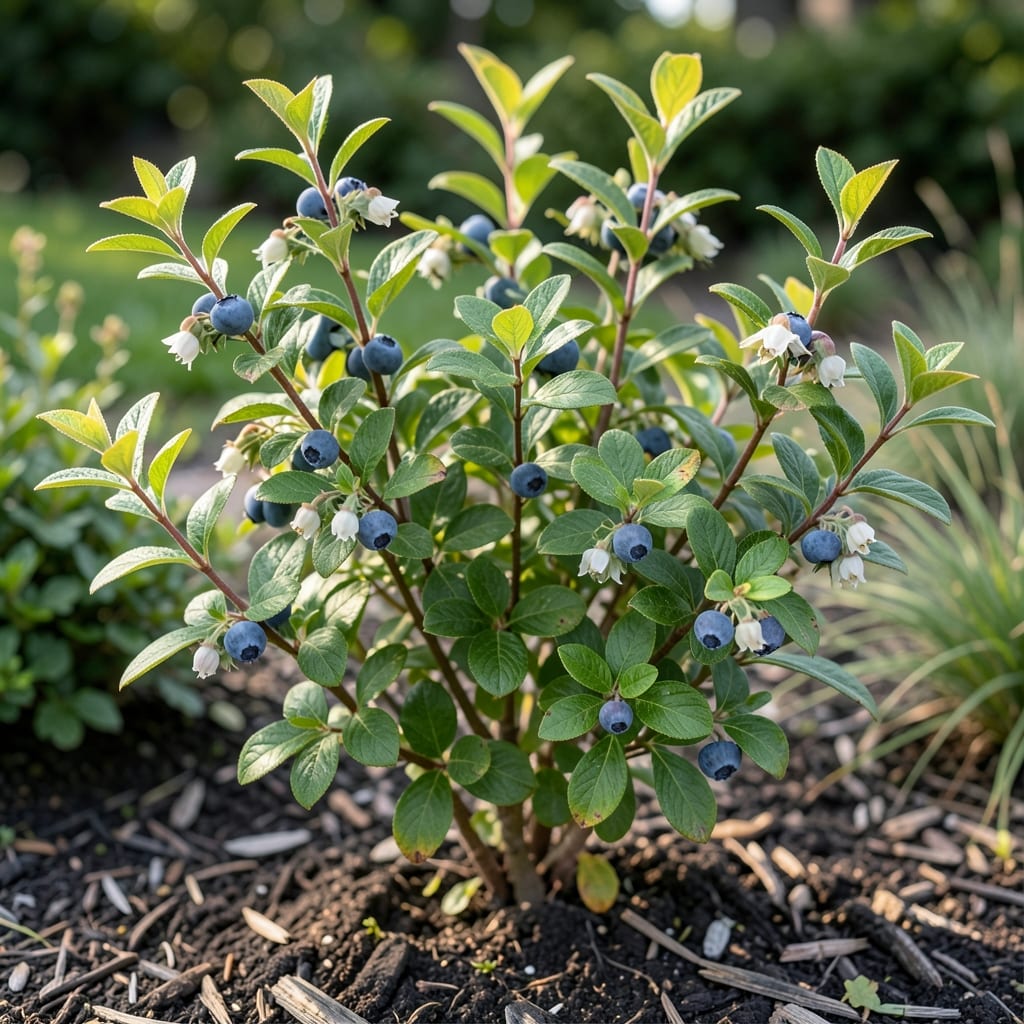
If you’ve ever wondered how tall blueberry bushes grow and whether your backyard can handle them, the answer depends more on the variety than you might think. Some 🫐 blueberry bushes stay compact enough for container gardens, while others tower like small trees—reaching heights that’ll make your neighbors jealous (or your patio feel cramped).
In USDA Zone 6, where many gardeners call home, blueberry bushes typically mature between 3 to 12 feet, but dwarf varieties like ‘Top Hat’ max out at just 3 feet—perfect for small spaces. Meanwhile, standard types like ‘Bluecrop’ can stretch toward 10 feet if left unchecked. The key to controlling their height? Pruning at the right time and knowing which cuts to make.
Whether you’re dreaming of a bush that fits neatly in a pot or one that lines your fence like a living berry wall, understanding these growth patterns is your first step to success. I’ll break down the best varieties for your space, plus pruning tricks to keep them at your ideal height—without sacrificing those sweet, juicy berries.
Ready to turn your blueberry dreams into reality? Let’s dive into the varieties, pruning secrets, and spacing tips that’ll have your bushes thriving at exactly the height you want.


Blueberry bush height by variety: from dwarf to giant
Blueberry bushes come in a stunning range of sizes, from dwarf varieties that fit snugly in containers to tall standards that rival small trees. The variety you choose will determine whether your bush stays at a manageable 3 feet or stretches toward 12 feet. For USDA Zone 6 gardeners, selecting the right type isn’t just about aesthetics—it’s about maximizing berry production while keeping your space functional.
Dwarf varieties like 'Top Hat' and 'Peach Sorbet' are the perfect patio picks, topping out at just 3 to 5 feet. These compact bushes thrive in pots or small garden beds, making them ideal for balconies, windowsills, or even indoor growing with sufficient light. Their upright growth habit also means they require minimal pruning to stay tidy, saving you time while still delivering a bountiful harvest.
Semi-dwarf varieties strike a balance, offering 5 to 7 feet of height with a spread that’s easier to manage than their taller cousins. 'Patriot' and 'Bluegold' fall into this category, making them excellent choices for small yards or garden edges. These bushes produce large, flavorful berries while staying within reach for easy picking—no ladder required!
Here’s the visual breakdown of how these varieties compare in height, growth habits, and space needs:
| Variety | Mature Height | Growth Habit | Best For | Spacing Needs |
|---|---|---|---|---|
| Top Hat | 3–4 ft | Upright, compact | Containers, patios | 3–4 ft apart |
| Peach Sorbet | 3–5 ft | Bushy, spreading | Small gardens, pots | 4–5 ft apart |
| Patriot | 5–6 ft | Semi-upright | Yards, garden edges | 5–6 ft apart |
| Bluecrop | 8–10 ft | Tall, spreading | Large gardens, hedges | 8–10 ft apart |
| Duke | 10–12 ft | Vigorous, upright | Privacy screens, large spaces | 10–12 ft apart |
If you’re working with limited space, dwarf and semi-dwarf varieties are your best bets. They mature quickly—often reaching 3 to 5 feet in just 2 to 3 years—and produce berries within the first year of planting. For larger properties, standard varieties like ‘Bluecrop’ or ‘Duke’ offer higher yields but require more room to spread and grow vertically.
One critical factor in height control is sunlight. Blueberries thrive in full sun (6+ hours daily), but too much shade can stunt their growth, making them leggy and weak. In USDA Zone 6, plant your bushes where they’ll get morning sun and partial afternoon shade if temperatures soar above 85°F. This balance helps maintain a compact, bushy shape while preventing the tall, sparse growth that comes from overcrowding or poor light.
For container growers, choose dwarf varieties with shallow root systems, like ‘Top Hat’ or ‘Peach Sorbet’. These bushes adapt well to pots as long as the container is at least 18 inches deep and has drainage holes. Just remember: root-bound bushes grow slower and produce fewer berries, so repot every 2 to 3 years to give roots room to expand.
No matter which variety you pick, soil acidity is non-negotiable. Blueberries demand a pH of 4.5 to 5.5—think pine forest soil, not your average backyard dirt. Test your soil before planting, and amend it with sulfur or peat
Blueberry bush height by variety: from dwarf to giant
Choosing the right blueberry bush variety is the first step to controlling its height. Some varieties stay compact and manageable, while others grow tall enough to need a ladder for harvesting. For example, the 'Top Hat' variety is a dwarf blueberry bush that tops out at just 3 to 4 feet, making it ideal for containers or small gardens. Meanwhile, the 'Bluecrop' variety can reach 8 to 10 feet if left unpruned—perfect for creating a natural privacy screen.
If you’re working with limited space, consider semi-dwarf varieties like 'Patriot' or 'Duke', which typically grow 5 to 7 feet tall. These are great for backyard gardens or along fences, where you want height without overwhelming your landscape. For urban gardeners or those with patios, dwarf varieties like 'Peach Sorbet' (a rabbiteye type) or 'Sunshine Blue' (a southern highbush) are excellent choices, staying under 4 feet tall.
Here’s a quick comparison of how different varieties stack up in terms of height and growth habits:
| Variety | Mature Height | Growth Habit | Best For |
|---|---|---|---|
| Top Hat | 3–4 ft | Compact, upright | Containers, small gardens |
| Sunshine Blue | 3–4 ft | Bushy, spreading | Patios, urban gardens |
| Patriot | 5–7 ft | Upright, vigorous | Backyard borders, hedges |
| Bluecrop | 8–10 ft | Tall, spreading | Privacy screens, large gardens |
| Duke | 6–8 ft | Semi-upright | Mixed borders, rural gardens |
When selecting a variety, also consider its spreading habit. Some bushes, like 'Bluecrop', spread wider as they grow, while others like 'Top Hat' stay neatly contained. This affects not only height but also how much garden space you’ll need to allocate. For instance, a 6-foot-tall bush like 'Patriot' might need 5 feet of space to spread, while a 10-foot-tall bush like 'Bluecrop' could require 8 feet or more to avoid overcrowding.
If you’re planting multiple bushes, spacing is critical. For dwarf varieties, keep them 3 to 4 feet apart to allow airflow and prevent disease. For standard varieties, space them 8 to 10 feet apart to give roots room to expand. Proper spacing also makes pruning and harvesting much easier, as you won’t have to navigate through a dense thicket.
Pro tip: If you’re unsure about a variety’s mature size, check the nursery tags or ask the grower. Many nurseries now label bushes with their expected height and spread, which can save you from surprises down the road. And remember, even if you choose a taller variety, pruning can always help keep it at a manageable height—more on that in the next section!