
Size
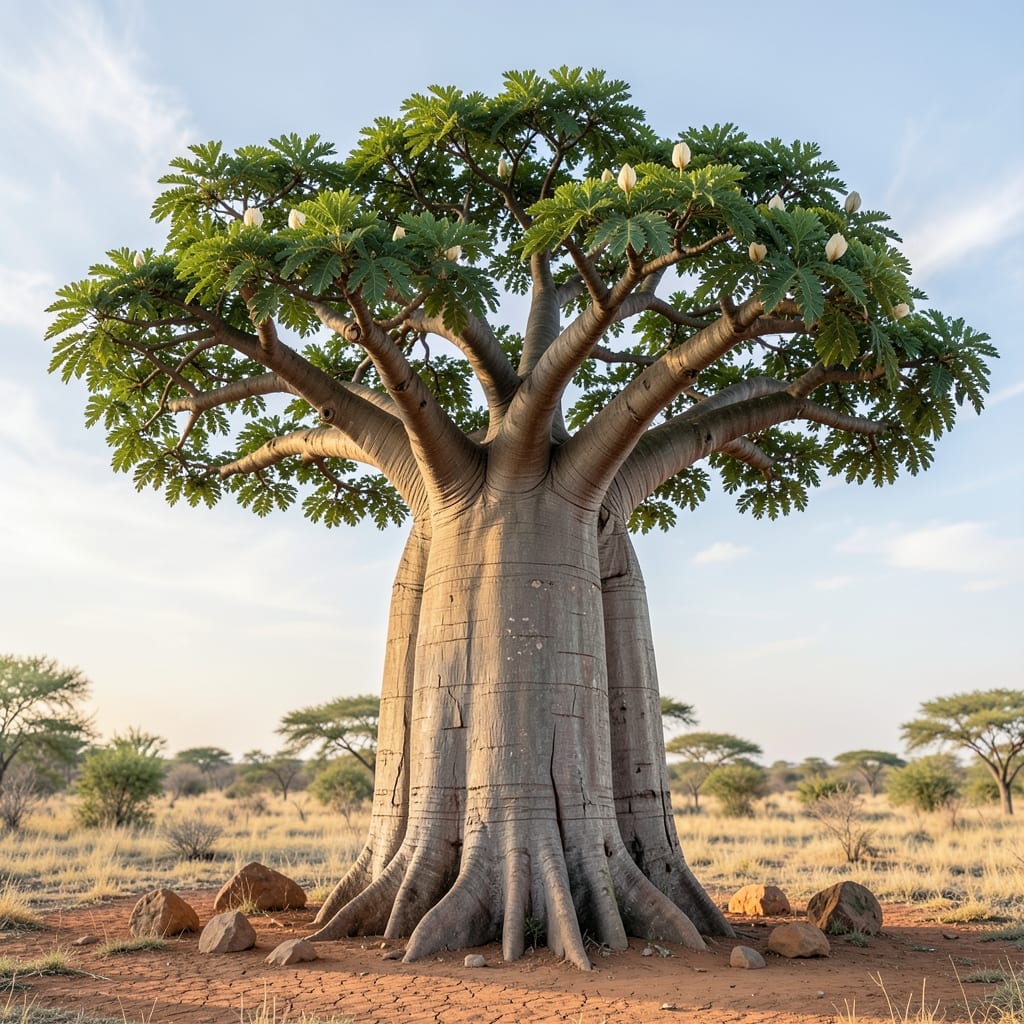
The baobab tree 🌳 isn’t just a symbol of resilience—it’s a living skyscraper, but how tall can a baobab tree grow? When you picture the world’s most iconic trees, the baobab’s towering presence in Madagascar, Africa, and Australia often comes to mind, but few realize just how massive these ancient giants can become. Standing taller than a 6-story building, some baobabs stretch toward the sky with trunks wider than a car is long. But what makes these trees grow so high? The answer lies in their slow, steady growth rate and the perfect blend of arid climates, nutrient-rich soil, and full sun exposure. If you’ve ever wondered whether a baobab in your backyard could one day rival these giants, the truth might surprise you. While most never reach record-breaking heights, understanding the factors that influence their growth—like climate, soil quality, and even genetic variations—can help you appreciate (or cultivate) these natural wonders. Let’s explore the secrets behind their staggering heights, from the tallest known specimens to the patient journey it takes for a baobab to become a true giant of the plant kingdom.

Baobab tree height records: tallest known specimens and their locations
The baobab tree 🌳 holds the title of one of Earth’s most impressive giants, with some specimens reaching heights that defy imagination. The Sunland Baobab in South Africa, once the world’s largest, stood at a breathtaking 80 feet tall with a trunk diameter of over 36 feet. Unfortunately, it collapsed in 2011, but its legacy remains as a testament to baobab grandeur.
Today, the Panke Baobab in Botswana claims the crown, measuring a staggering 82 feet tall with a trunk circumference of 37 feet. This tree isn’t just tall—it’s a living monument, capable of storing 26,000 gallons of water in its trunk during the rainy season. Other notable giants include the Chapman’s Baobab in Zimbabwe, standing at 75 feet, and the Platland Baobab in South Africa, which reaches 70 feet with a trunk width of 33 feet.
These measurements aren’t just guesses—they’re verified using laser technology and drone surveys, ensuring accuracy. For comparison, a 6-story building is roughly 60 feet tall, meaning these baobabs tower above most urban structures. In Australia, the Boab Prison Tree in the Kimberley region stands at 50 feet tall, proving baobabs thrive beyond Africa.
What’s even more astonishing is that these trees often take centuries to reach maturity. The Sunland Baobab, for example, was estimated to be over 1,200 years old when it collapsed. This slow growth is part of their survival strategy, allowing them to store vast amounts of water and nutrients in their massive trunks during rare rainfall events.
In Madagascar, home to some of the largest baobab species like Adansonia grandidieri, trees can reach heights of 90 feet under ideal conditions. These giants often grow in arid, rocky landscapes, where their deep root systems tap into water sources far below the surface. The Menabe Baobab in western Madagascar is another record-holder, standing at 78 feet tall with a trunk diameter of 30 feet.
🌳
| Baobab Name | Location | Height (ft) | Trunk Diameter (ft) | Estimated Age |
|---|---|---|---|---|
| Panke Baobab | Botswana | 82 | 12 | 1,200+ years |
| Chapman’s Baobab | Zimbabwe | 75 | 30 | 800+ years |
| Menabe Baobab | Madagascar | 78 | 25 | 1,000+ years |
| Boab Prison Tree | Australia | 50 | 20 | Unknown |
| Platland Baobab | South Africa | 70 | 33 | 900+ years |
While these giants dominate the headlines, it’s important to note that not all baobabs reach such monumental heights. In cultivation, most baobabs grow between 20 to 50 feet tall, especially when planted in containers or less ideal climates. However, given the right conditions—full sun, well-draining soil, and minimal frost—even a backyard baobab can grow taller than expected over decades.
The Sunland Baobab’s collapse serves as a reminder of nature’s fragility. Climate change and drought stress are threatening many of these ancient trees, making conservation efforts critical
What determines a baobab tree’s height: climate, soil, and genetic factors
A baobab’s height potential isn’t just luck—it’s a perfect storm of environmental conditions and genetic traits. While some baobabs in the wild soar to 80+ feet, others remain modest due to their growing conditions. The key factors? Arid climates, nutrient-rich soil, and even the species’ DNA play starring roles in shaping these giants.
First, let’s talk climate. Baobabs thrive in tropical and subtropical regions with dry seasons and intense sunlight. In places like Madagascar or South Africa, where temperatures soar and rainfall is sparse, baobabs grow taller because their thick trunks store water and nutrients efficiently. Meanwhile, in cooler or wetter climates, growth slows dramatically, capping height at 30-50 feet.
🌱
Key Takeaways for Baobab Height
- Climate: Arid, sunny = taller growth
- Soil: Calcrete or sandy loam fuels height
- Genetics: Species like Adansonia digitata grow taller
- Avoid: Waterlogged soil or frost
- Tip: Full sun + deep roots = skyscraper potential
The soil type is another game-changer. Baobabs love well-draining, nutrient-rich soils, especially calcrete (a limestone-rich soil) found in savannas. This soil type provides the calcium and phosphorus needed for rapid vertical growth. In contrast, clay-heavy or waterlogged soils stunt growth, often resulting in shorter, wider trunks. Even in ideal conditions, a baobab’s root system must spread deep—sometimes 100 feet wide—to access moisture and nutrients.
Don’t overlook genetics, either. There are 8 recognized baobab species, and some, like the African baobab (Adansonia digitata), are natural height champions. Others, like the Australian baobab (Adansonia gregorii), grow shorter but wider. Even within a species, individual trees can vary by 20-30 feet in height due to genetic quirks passed down through generations.
Finally, water availability and seasonal patterns matter. Baobabs in regions with monsoon seasons (like northern Australia) grow faster during wet periods but slow dramatically in droughts. Meanwhile, those in consistently dry climates (like the Kalahari Desert) grow steadily but slowly, taking centuries to reach their full height.
So, if you’re dreaming of a backyard baobab that rivals the Sunland Baobab in South Africa, focus on full sun, deep, well-draining soil, and a warm, dry climate. Patience is key—these trees grow at a snail’s pace, but with the right conditions, they’ll reward you with a living skyscraper. 🌳