
How To
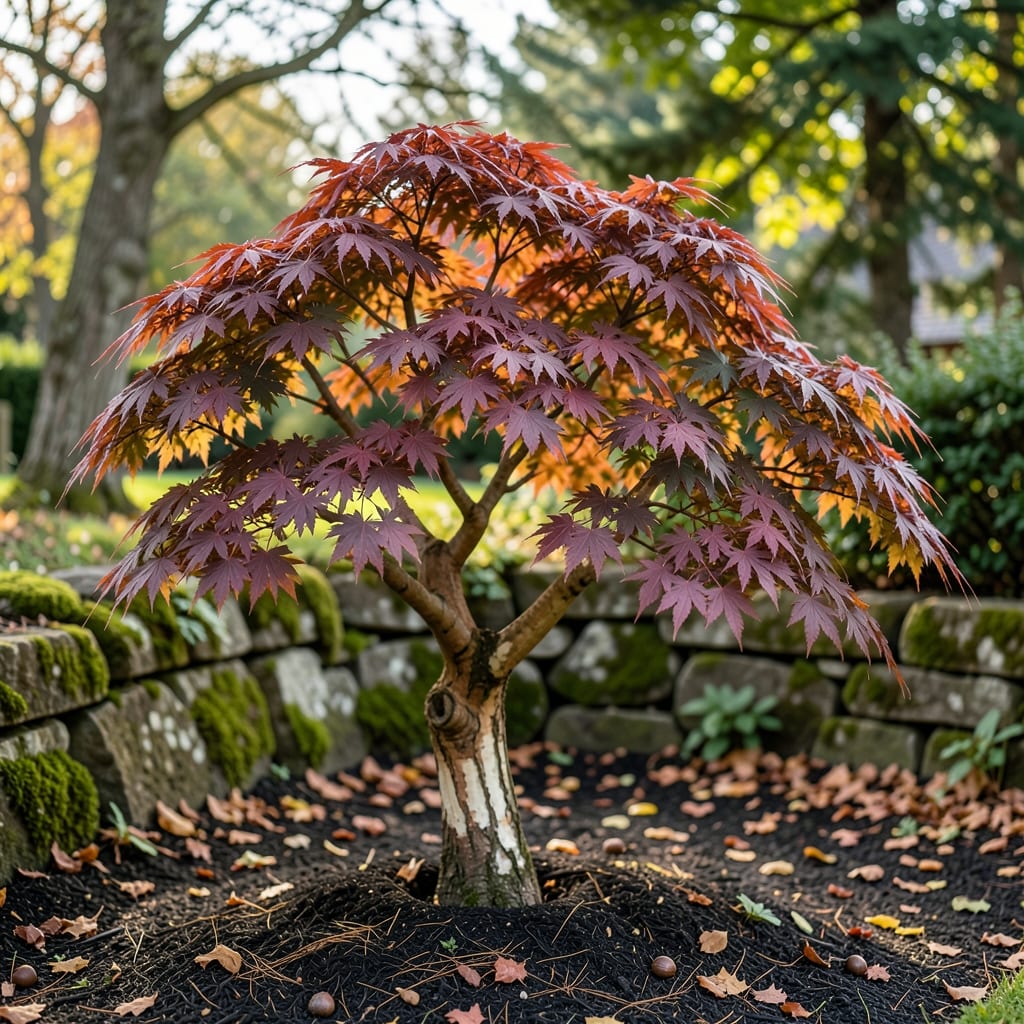
Wondering how tall can a Japanese Maple tree grow before it outgrows your yard? The answer might surprise you—some varieties stay small enough for a patio, while others become towering statement pieces in a landscape.
This stunning 🌿 Japanese Maple isn’t one-size-fits-all. Whether you're dreaming of a delicate 3-foot dwarf or a majestic 30-foot giant, the right cultivar makes all the difference. I’ll break down the height ranges, growth habits, and what you can do to shape your tree’s future—no matter how much (or little) space you have.
From the tiny 'Mikura' that fits in a container to the bold 'Bloodgood' that reaches for the sky, each type has its own personality. You’ll learn which factors—like pruning, sunlight, and soil—can influence their growth and how to keep them thriving in USDA Zone 6a and beyond.
Ready to pick the perfect size for your garden? Let’s dive into the world of Japanese Maples and find the one that’s just right for you.


Japanese maple height ranges by cultivar: from dwarf to giant varieties
Japanese maples offer an incredible range of sizes, from dwarf varieties perfect for containers to towering giants that become landscape focal points. The cultivar you choose determines whether your tree will stay under 6 feet or reach 30 feet at maturity.
I’ve researched the most popular varieties to give you a clear picture of what to expect. Some, like the 'Mikura', stay small enough for a patio table centerpiece, while others, like the 'Bloodgood', grow tall enough to shade an entire backyard.
Here’s how these stunning trees compare in height—so you can pick the perfect fit for your space.
| Cultivar | Mature Height | Spread | Best For |
|---|---|---|---|
| 'Mikura' | 3'-4' | 3'-4' | Containers, patios |
| 'Shishigashira' | 3'-4' | 4'-5' | Bonsai, small gardens |
| 'Tamukeyama' | 4'-5' | 5'-6' | Urban gardens, containers |
| 'Seiryu' | 5'-6' | 6'-8' | Small yards, borders |
| 'Bloodgood' | 25'-30' | 15'-20' | Large landscapes, focal points |
| 'Emperor I' | 12'-15' | 10'-12' | Medium yards, specimen plant |
| 'Shishigashira' | 6'-8' | 6'-8' | Bonsai, small gardens |
| 'Koto-no-ita' | 10'-12' | 10'-12' | Medium yards, shade trees |
| 'Viridis' | 15'-20' | 12'-15' | Large gardens, specimen |
If you’re working with limited space, dwarf varieties like 'Mikura' or 'Shishigashira' are ideal—they thrive in containers and add color without taking over. For larger properties, the 'Bloodgood' or 'Viridis' will create dramatic focal points with their bold foliage and impressive height.
Remember, these are mature heights, but growth rates vary. Some cultivars grow slowly, while others shoot up faster—especially in ideal conditions. I’ll share how to manage growth in the next section.
For now, pick the size that fits your vision: a miniature masterpiece or a towering giant—both bring unmatched beauty to your garden.
What determines a Japanese maple's final height: 5 key factors
Japanese maples are famous for their stunning foliage and compact growth habits—but their final height depends on more than just the cultivar you choose. Understanding these 5 key factors will help you predict and control how tall your tree grows, whether you want a 3-foot patio gem or a 25-foot landscape centerpiece.
The first factor is genetics. Some varieties, like 'Bloodgood,' are genetically programmed to reach 25-30 feet, while others like 'Mikura' stay under 4 feet no matter how well you care for them. This is the foundation—your starting point for height expectations.
Next up is pruning habits. Regular, strategic pruning can keep a naturally tall variety like 'Emperor I' under control, while neglect can turn a dwarf 'Shishigashira' into a leggy mess. Prune in late winter or early spring to shape growth without stressing the tree.
Sunlight exposure plays a surprising role too. Japanese maples thrive in partial shade (4-6 hours of sun), but too much direct sunlight can stress the tree, slowing growth. In hot climates like Zone 8+, afternoon shade is critical to prevent leaf scorch and stunted height.
Soil quality and drainage are often overlooked but vital. These trees prefer acidic, well-draining soil with a pH of 5.0-6.5. Compacted or alkaline soil can stunt root development, directly limiting how tall your maple can grow. Amend heavy soil with organic matter like compost or pine bark.
Finally, climate and microclimate matter. In cooler USDA Zone 6a, maples grow more slowly, while in milder zones like Zone 7-8, they may reach their mature height faster. Wind exposure also affects growth—sheltered locations encourage fuller, taller growth, while exposed sites can stunt height.
🌱 Key Takeaways for Height Control
- Genetics set the baseline—choose your cultivar carefully.
- Prune strategically in late winter to shape growth.
- Provide 4-6 hours of partial shade to avoid stress.
- Ensure acidic, well-draining soil for optimal root health.
- Adjust care for your climate zone—growth rates vary.
By mastering these factors, you’ll gain full control over your Japanese maple’s height—whether you’re aiming for a container-friendly dwarf or a stately backyard giant. The key is consistency in care and patience, as these trees grow slowly but reward you with decades of beauty.