
Trees
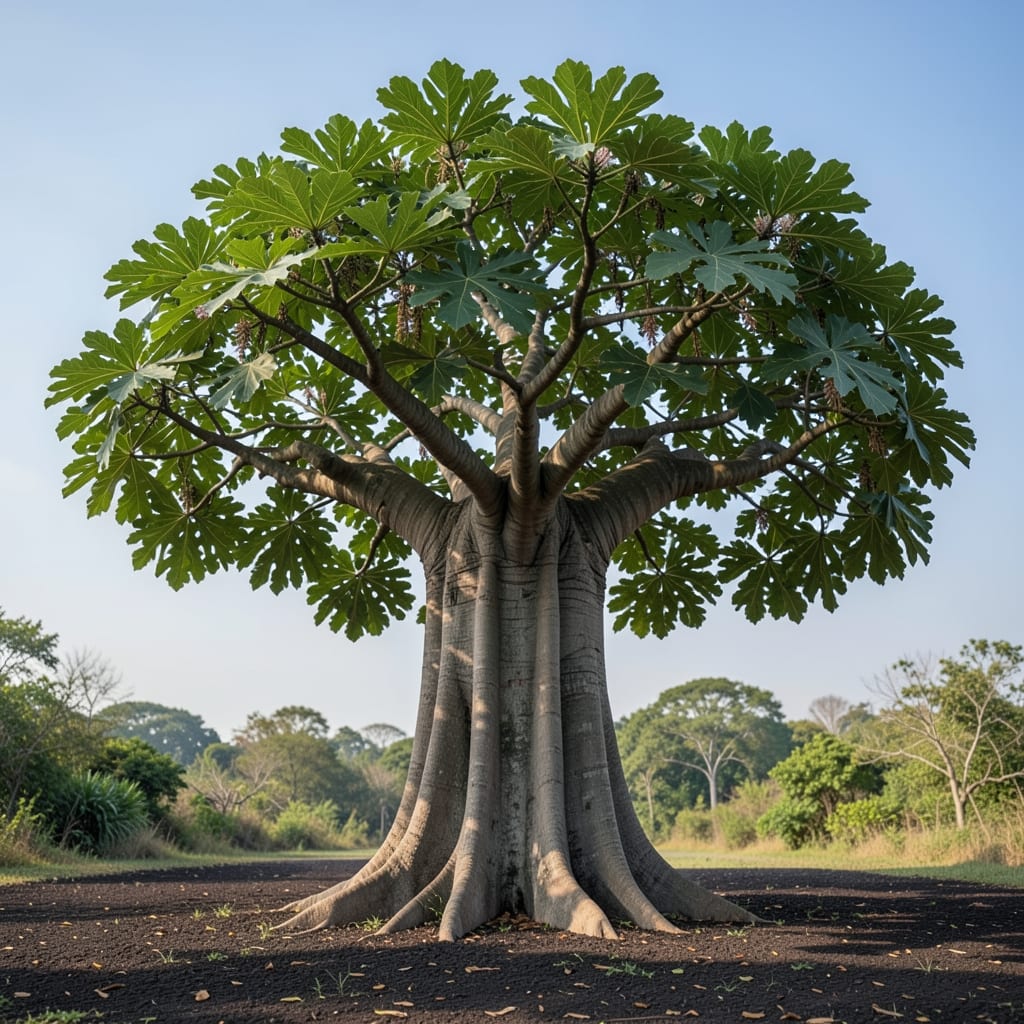
If you’ve ever wondered how tall a kapok tree 🌳 can grow, the answer might surprise you—this tropical giant isn’t just one of the tallest trees in the world, it can reach heights that rival 20-story buildings or more. Picture a tree soaring 200 feet or higher, with a trunk thick enough to wrap your arms around, and you’ll start to grasp its true scale.
But what makes this tree grow so tall? The answer lies in its native tropical habitats, where USDA zones 10-12 provide the perfect climate for its rapid ascent. Unlike many trees that take decades to mature, a kapok tree can grow 3-6 feet per year under ideal conditions, turning a sapling into a skyscraper-sized tree in just a few decades.
Whether you’re dreaming of planting one in your tropical backyard or simply curious about nature’s giants, understanding how these trees grow is fascinating. I’ll break down the science behind their height, the environmental factors that fuel their growth, and why they’re such a dominant force in their ecosystems.
From their deep root systems to their love of monsoon seasons, there’s a lot to learn about how these trees reach for the sky. Let’s dive into the secrets of the kapok tree’s astonishing growth.


Kapok tree height records: how tall can they really grow?
The kapok tree (Ceiba pentandra) is a true giant of the tropical world, capable of reaching heights that make redwoods look modest. In ideal conditions, these trees can grow between 100 to 200 feet tall, with some exceptional specimens documented at over 230 feet. That’s taller than a 20-story building!
These towering trees thrive in their native habitats across Central and South America, the Caribbean, and parts of Africa. Their rapid growth rate—3 to 6 feet per year—allows them to dominate the canopy within just a few decades. But what makes them grow so tall?
Their success lies in their deep taproot system, which anchors them securely in nutrient-rich tropical soils. This root structure, combined with their fast-growing wood and ability to thrive in humid, monsoon-driven climates, gives them a competitive edge in their ecosystems.
In USDA zones 10-12, where frost is nonexistent, kapok trees can grow year-round without interruption. Their growth is so prolific that some mature trees can reach 15 feet in diameter, making them a true spectacle in tropical forests.
While most kapok trees in the wild reach 100 to 150 feet, their height can vary based on environmental factors. Trees in densely forested areas may grow taller due to reduced competition, while those in open spaces might focus more on canopy spread than vertical growth.
Interestingly, kapok trees don’t just grow tall—they also develop buttress roots that flare out dramatically at the base. These roots provide stability and access to water, further supporting their impressive stature. In some cultures, these roots are even considered sacred due to their majestic appearance.
If you’re considering growing a kapok tree in your garden, remember that their massive size makes them unsuitable for most home landscapes. They’re best suited for large estates, botanical gardens, or tropical regions where space isn’t a constraint. Their fast growth and ecological benefits make them a valuable addition to conservation efforts, though.
For those fascinated by their height, visiting a kapok tree in its natural habitat is a humbling experience. Standing beneath one feels like gazing up at a living skyscraper, a testament to nature’s ability to create true giants. 🌳
What determines a kapok tree’s height: climate, soil & care secrets
A kapok tree’s staggering height isn’t just luck—it’s the result of three critical factors working together: climate, soil, and care. In tropical regions like USDA zones 10-12, these trees thrive because they get everything they need: year-round warmth, consistent rainfall, and nutrient-rich soil. Without these, their growth can stall dramatically.
First, let’s talk climate. Kapok trees love humid, monsoon-driven environments where temperatures stay above 60°F year-round. In drier climates or cooler zones, their growth slows to a crawl—sometimes by 50% or more. The monsoon season (May-October) is especially crucial, as heavy rains recharge their deep root systems and fuel rapid vertical growth.
Next, soil composition plays a huge role. These trees demand well-draining, slightly acidic soil (pH 5.5–7.0) with plenty of organic matter. Waterlogged or compacted soil can suffocate their roots, leading to stunted growth. In their native habitats, kapok trees grow in deep, fertile forest floors where decomposed leaves and nutrients create the perfect growing medium.
Finally, human care can either boost or hinder their height. While kapok trees are hardy, they respond well to regular deep watering (especially in dry seasons) and light fertilization during their growing months. Over-fertilizing can harm them, but a balanced 6-6-6 NPK mix applied every 3-4 months can help them reach their full potential.
✅ Pros of Ideal Conditions
- 3-6 ft/year growth in perfect climates
- 200+ ft mature height possible
- Deep roots improve soil stability
- Fast recovery after storms
❌ Cons of Poor Conditions
- Stunted growth in dry or cold climates
- Root rot risk in waterlogged soil
- Slow recovery from pruning mistakes
- Pest vulnerabilities in nutrient-poor soil
If you’re growing a kapok tree in a non-tropical climate, you’ll need to mimic these conditions as closely as possible. Use container growing with fast-draining mixes, provide artificial humidity, and keep it near a south-facing window for maximum sunlight. Even then, expect slower growth—perhaps only 1-2 feet per year compared to their tropical counterparts.
For those in USDA zones 10-12, the key is minimal intervention. These trees grow best when left alone, with only occasional pruning to shape their canopy and remove dead branches. Over-pruning can weaken their structure, reducing their ability to reach towering heights. Let nature take its course, and you’ll be rewarded with a true tropical giant in your backyard. 🌿