
Succulent
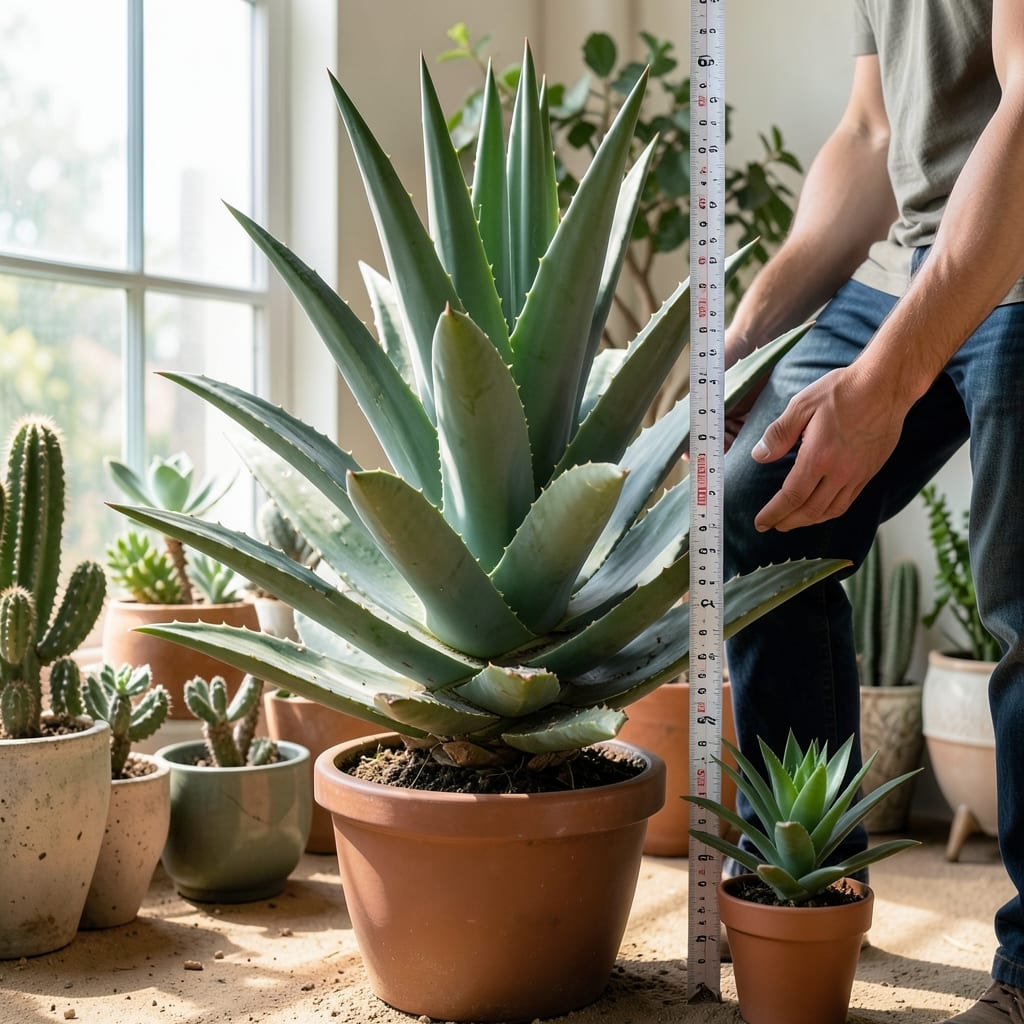
If you’ve ever stared at your tiny 🌵 succulent and wondered why some of its cousins grow tall enough to reach your ceiling, you’re not alone. The truth is, how tall can a succulent grow depends entirely on its species—some stay compact like a 1-inch coin, while others stretch toward the sky like a 10-foot skyscraper.
Picture this: a delicate Echeveria clinging to a rock garden, barely taller than your thumb, next to a towering Agave americana that could dwarf a basketball hoop. That’s the wild range of succulent heights, and it’s all about genetics, care, and a little bit of patience. Whether you’re planning a windowsill garden or dreaming of a dramatic desert landscape, understanding these differences is the key to choosing the perfect plants.
But here’s the twist: even the smallest succulents can grow taller with the right conditions, while some of the giants might stay stunted if neglected. I’ll break down the science behind their growth—from the fastest-growing varieties to the slow-and-steady climbers—and show you how to encourage (or control) their height. Ready to discover which 🌵 succulent will fit your space—or your ambitions?
Let’s dive into the fascinating world of succulent sizes, where a single pot can hold both a thumb-sized treasure and a future skyscraper. You’ll learn which species to pick for your next project, how to spot the signs of healthy growth, and even how to prune or repot for the perfect height. Your green thumb is about to get a whole new perspective!


Succulent height variations by species: from miniature to massive
Succulents are one of the most diverse plant families when it comes to height, with some staying tiny enough to fit on your windowsill while others grow tall enough to shade your entire backyard. The species of your succulent determines its mature height, but even within a single genus, you'll find dramatic differences. For example, Echeveria varieties typically stay under 12 inches, while their close relatives in the Agave family can reach heights of 50 feet!
Understanding these variations helps you plan your garden layout—whether you're creating a fairy garden with tiny Lithops or designing a dramatic desert landscape with towering Aloe plants. Let's explore the extremes and everything in between so you can choose the perfect succulent for your space.
🌵 Miniature Marvels (1-6 inches): These tiny succulents are perfect for terrariums, rock gardens, or as accent plants in containers. They include Lithops (living stones), Haworthia (zebra plants), and Gasteria. Their slow growth makes them ideal for collectors who enjoy nurturing small but striking plants over many years.
🌿 Small to Medium (6 inches - 3 feet): This category includes popular favorites like Echeveria, Sedum, and Sempervivum. These are the workhorses of succulent gardens, offering vibrant colors and textures while staying manageable. Many houseplant succulents like Haworthia attenuata fall into this range, making them perfect for indoor growing.
🌳 Tall Giants (3-10+ feet): For those who want to make a statement, look to Agave americana (century plant), Aloe vera, and Beaucarnea recurvata (elephant's foot). These architectural plants grow slowly but can become living sculptures in your garden. Some, like Agave, even produce stunning flower spikes that can reach 15 feet tall before dying!
📊 Comparison Table: Succulent Height Ranges
| Category | Species Examples | Height Range | Growth Rate | Best For |
|---|---|---|---|---|
| Miniature | Lithops, Haworthia, Gasteria | 1-6 inches | Slow | Terrariums, rock gardens |
| Small-Medium | Echeveria, Sedum, Sempervivum | 6 inches - 3 feet | Moderate | Containers, borders, indoor plants |
| Medium-Tall | Aloe, Kalanchoe, Crassula | 3-6 feet | Moderate-Fast | Backyard gardens, focal points |
| Tall Giants | Agave, Beaucarnea, Dracaena | 10-50+ feet | Slow | Large landscapes, desert gardens |
The Agave americana is one of the most extreme examples, capable of reaching 50 feet in ideal conditions. Its thick, sword-like leaves can grow up to 4 feet long, and the plant develops a massive trunk over time. Meanwhile, the Lithops, often called living stones, rarely exceed 1 inch in height, making them perfect for fairy gardens or succulent arrangements.
Even within a single genus, you'll find incredible diversity. For instance, Echeveria species range from Echeveria 'Lola', which stays under 4 inches, to Echeveria 'Lola' var. gigantea, which can reach 12 inches. This variation means you can mix and match succulents to create a dynamic visual effect in your garden or containers.
If you're planning a succulent collection, consider pairing tall species like Aloe vera with smaller ones like Haworthia to create height contrast. The Aloe vera can grow up to 3 feet tall, while Haworthia varieties often stay under 6 inches, making them perfect companions for vertical gardening or hanging planters.
For those with limited space, trailing succulents like Sedum morganianum (burro's tail) offer a different kind of height—spreading up to 3 feet long while staying under 1 foot tall. These can be trained to grow downward, creating a stunning cascading effect in hanging baskets
What determines how tall a succulent grows: 5 key factors
While succulent species set the baseline for height potential, your care routine can either stunt growth or help them reach their full mature height. Five key factors—light exposure, soil quality, watering habits, container size, and genetic traits—work together to shape how tall your plants become. Let’s break down how each influences growth, so you can optimize conditions for your desired succulent size.
First, sunlight acts as the growth accelerator. Succulents thrive in full sun (6+ hours daily), which triggers photosynthesis and vertical growth. A Sedum morganianum in bright light may stretch its trailing stems to 3 feet, while the same plant in shade might stay compact. Conversely, too much harsh sunlight can cause sunburn, stunting growth entirely. The balance is key—especially for tall-growing species like Aloe vera, which need morning sun to avoid leaf scorch.
Soil drainage is equally critical. Succulents hate soggy roots, which slow growth or cause rot. A mix of cactus soil, perlite, and sand ensures roots access oxygen and nutrients without waterlogging. Poor drainage forces plants to divert energy to survival rather than growth—your Agave might stay stunted if its roots suffocate. For giant succulents like Beaucarnea recurvata, well-draining soil is non-negotiable to support their massive root systems.
Your watering schedule directly impacts height. Overwatering triggers etiolation—elongated, weak stems—as plants stretch toward light. Underwatering, however, can halt growth entirely. The solution? Water deeply but infrequently (every 2-3 weeks for most succulents). Fast-growing varieties like Kalanchoe may need slightly more moisture, while slow-growing Lithops thrive on neglect. Always let soil dry completely between waterings to encourage sturdy, compact growth.
📌 Numbered Highlights: 5 Factors That Shape Succulent Height
- 1. Sunlight: 6+ hours/day fuels vertical growth; too little = stunted, too much = sunburn.
- 2. Soil: Well-draining mix prevents root rot; compact soil = poor nutrient uptake.
- 3. Water: Deep but infrequent watering prevents weak, leggy growth.
- 4. Pot Size: Root-bound plants grow taller; repot when roots circle the container.
- 5. Genetics: Species traits set max height; care only optimizes potential.
For example, a root-bound Aloe vera in a cramped pot will grow taller as it searches for space. Repotting into a larger container with fresh soil can encourage bushier, healthier growth. Meanwhile, genetics dictate the upper limit—no amount of sunlight will turn a 1-inch Lithops into a 10-foot Agave, but proper care ensures it reaches its natural height.
Even temperature plays a subtle role. Most succulents grow best in 60–80°F ranges. Cooler nights can slow growth, while extreme heat may cause dormancy. If you’re growing tall succulents outdoors, choose a sheltered spot to protect them from frost or scorching winds. Indoor growers should place plants near south-facing windows for consistent light exposure, which is critical for maintaining upright growth.
Pro tip: Observe your succulents’ growth patterns. If stems stretch unusually tall with sparse leaves, they’re likely light-deprived. If growth stalls completely, check for root rot or nutrient deficiencies. By tweaking these five factors, you can guide your succulents toward their ideal height—whether that’s a compact windowsill display or a dramatic backyard centerpiece.