
Succulent
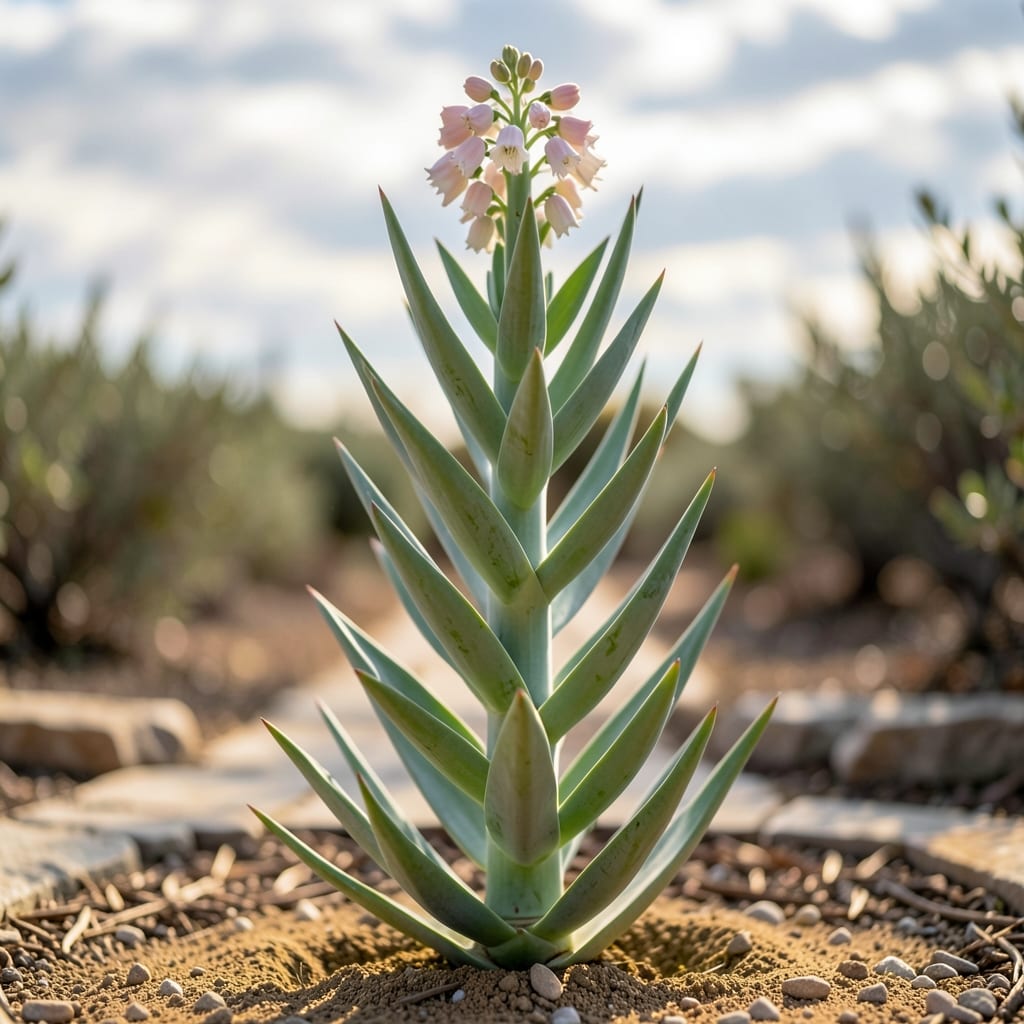
If you’ve ever wondered how tall can succulents grow, you’re not alone—these resilient plants surprise even seasoned gardeners with their dramatic size range. Some stay tiny enough to fit on a desk, while others stretch toward the sky like living trees. 🌵 Whether you’re dreaming of a miniature garden or planning for a backyard statement plant, understanding their growth potential is key.
The answer isn’t one-size-fits-all—succulents can reach anywhere from a few inches to a staggering 40 feet, depending on the species. Varieties like the humble Haworthia stay compact, while Agave or Aloe can grow tall enough to need a ladder. What you plant today could be a towering green giant in just a few years!
But size isn’t just about genetics—your care routine plays a huge role. Sunlight, soil, and even pot size can push a succulent to grow faster or stay small. I’ll show you how to control their height, whether you want a low-maintenance desk plant or a dramatic vertical centerpiece. Let’s dive into the secrets behind their growth—and how to shape it to your space.
Ready to transform your succulents from tiny curiosities into stunning statement plants? You’ll learn which varieties grow the fastest, how to prune for manageable size, and why some outgrow their pots before you expect. Let’s get started!


Succulent growth ranges: from dwarf varieties to towering giants
Succulents are famous for their dramatic size variations—some stay small enough to fit on a windowsill, while others grow tall enough to dwarf a human. The key to understanding their growth lies in their species and genetics. For example, a Haworthia might max out at 3 inches, while an Agave americana can reach 40 feet in ideal conditions. This range proves that not all succulents are created equal!
The smallest succulents often belong to the Echeveria or Sedum families, staying under 6 inches. These are perfect for desk gardens or terrariums. Meanwhile, the tallest varieties, like Beaucarnea recurvata (ponytail palm) or Dracaena species, can grow over 10 feet tall. Your choice of plant will determine whether you’re dealing with a pocket-sized gem or a backyard giant.
Here’s a quick look at how succulent height varies by category, from the tiniest to the tallest. This table helps you visualize what to expect based on the variety you choose—and whether your space can accommodate it!
If you’re dreaming of a miniature succulent garden, dwarf varieties like Haworthia or Echeveria are ideal—they’ll stay small without needing frequent pruning. But if you’re after a dramatic focal point, species like Agave or Dracaena will deliver jaw-dropping height over time. Just be prepared to repot or prune as they grow!
One common misconception is that all succulents grow slowly. While many do, some—like Beaucarnea recurvata—can grow 2 feet in a single year under ideal conditions. Others, like Lithops (living stones), barely grow at all, making them perfect for slow-changing displays. Your choice of succulent will dictate how quickly your garden evolves!
Another factor to consider is growth habit. Some succulents grow vertically (like Dracaena), while others spread horizontally (like Sedum). If you’re short on space, opt for compact growers or use hanging pots to maximize vertical growth without taking up floor space. For example, String of Pearls (Senecio rowleyanus) cascades beautifully, while Haworthia attenuata stays neatly upright.
For those with limited space, consider pruning taller varieties to keep them manageable. A simple stem cutting can propagate new plants while controlling height. For instance, if your Jade Plant starts to outgrow its pot, snipping the top and rooting it will give you a bushier, smaller plant—plus a new succulent to share with friends!
If you’re planning a long-term succulent collection, think about how each plant will mature. A 3-inch Haworthia today might stay that size for years, while a 6-inch Aloe pup could become a 3-foot-tall plant in just 5 years. Always check the mature height of a species before committing to it—especially if you’re working with small containers or tight spaces.
Finally, remember that container size matters. Succulents in small pots will naturally stay smaller, while those in large containers or garden beds have room to stretch. If you’re growing Agave or Dracaena, plan for a spacious pot or outdoor planting area to accommodate their eventual size. With the right planning, you can turn even the tallest succulents into stunning, manageable features in your garden!
Factors that influence how tall succulents grow (and how to control them)
If you’ve ever watched your succulent sprout from a tiny 2-inch pup into a 3-foot-tall plant in just a few years, you know genetics aren’t the only factor at play. While some species are naturally dwarf varieties, others can grow massively tall with the right conditions—or even stay stunted if care is lacking. Understanding these factors lets you shape your succulent’s growth to fit your space and goals.
The biggest influencers on succulent height are sunlight exposure, pot size, and watering habits. For example, a Jade Plant (Crassula ovata) left in a small pot with minimal light might stay under 2 feet, while the same plant in a large container with full sun could reach 5 feet. Your environment literally determines whether your succulent stays compact or towering.
Here’s how each factor plays a role—and how you can adjust them to control height. Whether you want a desk-sized plant or a backyard centerpiece, these tips will help you steer the growth in the right direction.
🌱 Key Factors Affecting Succulent Height
- 💡 Sunlight: 6+ hours of direct sun fuels rapid vertical growth, while low light keeps plants stunted. For example, Aloe vera can grow 3x taller with full sun vs. shade.
- 🪴 Pot Size: Small pots restrict root growth, keeping plants shorter and bushier. Upgrade to a large container (12+ inches) to encourage towering growth in varieties like Dracaena.
- 💧 Watering: Overwatering causes leggy, weak growth, while underwatering slows expansion. Aim for deep soaks every 2-3 weeks to balance height and health.
- 🌡️ Temperature: Warm climates (70°F+) accelerate growth, while cool seasons slow it down. Move Agave outdoors in summer for a growth spurt.
- ✂️ Pruning: Trimming top growth encourages bushier, shorter plants. For taller varieties, prune 1/3 of the stem to redirect energy to lateral branches.
Let’s tackle sunlight first, since it’s the most powerful growth accelerator. Succulents like Echeveria or Sedum thrive in bright, indirect light and grow steadily but stay compact. However, Agave or Beaucarnea recurvata crave full sun (6+ hours daily) and can grow aggressively tall when happy. If your succulent starts stretching toward the light with long, thin stems, it’s etiolating—a sign it needs more sun or a smaller pot to stay proportionate.
Next, pot size is a game-changer. A 6-inch pot will keep a Jade Plant under 2 feet, while a 24-inch container gives it room to reach 5 feet. For dwarf varieties, use shallow pots to limit root expansion. Pro tip: If your succulent outgrows its pot, repot into a larger container to see a height surge within months. Just avoid overpotting, which can lead to root rot and stunted growth.
Watering might seem counterintuitive, but it’s critical for height control. Overwatering causes leggy, weak stems as the plant stretches for light, while underwatering slows growth entirely. The key is deep, infrequent watering: Let the soil dry completely between waterings to encourage compact, sturdy growth. For fast-growing varieties like Ponytail Palm, water every 3-4 weeks in summer to support rapid vertical expansion.
Don’t overlook temperature and seasonality. Succulents grow fastest in warm, dry conditions (70–90°F). Move outdoor plants indoors before frost, as cold temperatures halt growth until spring. If you’re growing Agave or Dracaena, place them in a sunny, sheltered spot during summer for a growth boost—just watch for pests like mealybugs that thrive in warm, humid conditions.
Finally, pruning is your secret weapon for managing height. For tall, leggy succulents, trim the top 1/3 of the stem to encourage bushier growth. The cuttings can be rooted in water or soil to create new plants. For tree-like succulents like Dracaena, prune brown or damaged leaves to maintain a clean, defined shape. With the right pruning, you can turn a 6-foot-tall monstrosity into a manageable 3-foot shrub—or propagate dozens of new plants from a single cutting!
Ready to take control? Start by assessing your succulent’s current conditions—light, pot size, and watering routine—and adjust just one factor at a time. For example, if your Aloe vera is staying under 1 foot, move it to a sunny window and upgrade its pot. Within a year, you’ll see a dramatic height increase—or a bushier, more compact plant if you prune regularly. The power to shape your succulent’s growth is in your hands! 🪴