
Trees
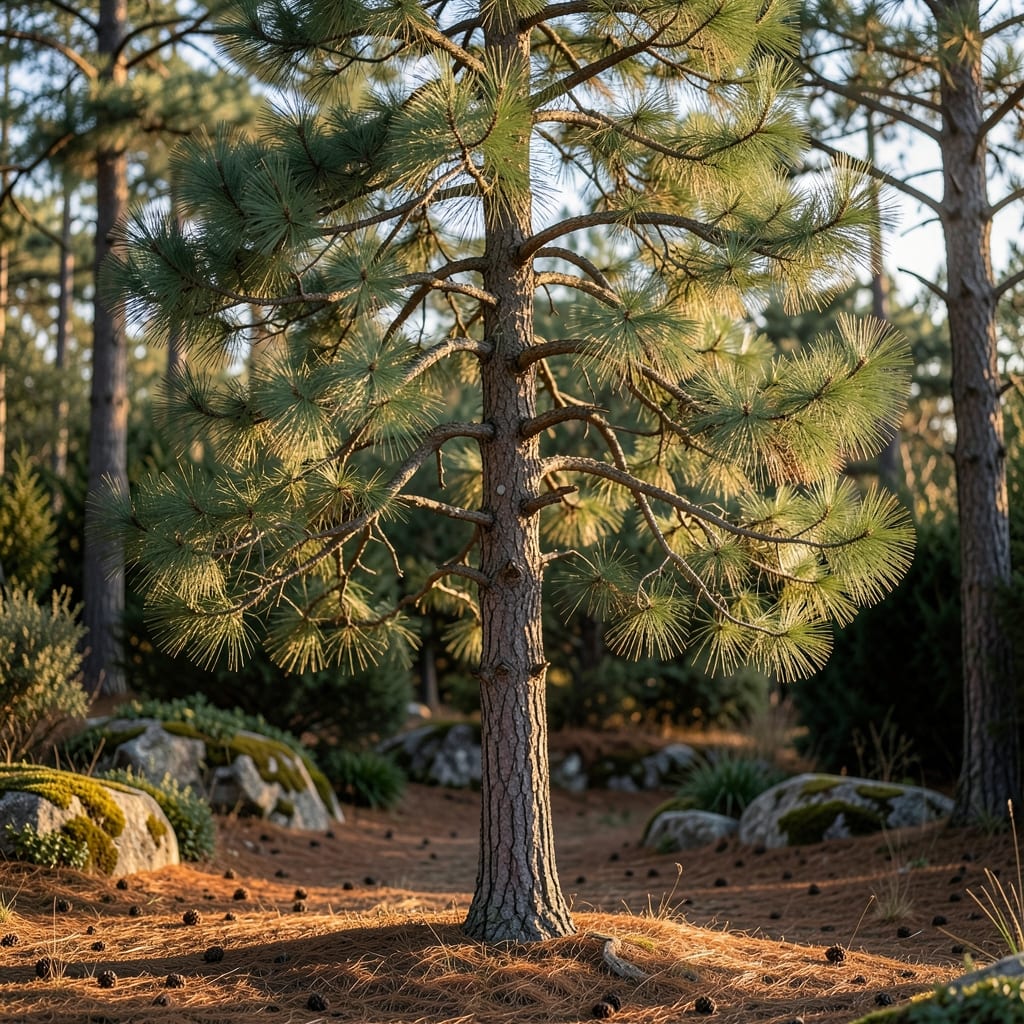
If you've ever wondered how tall can white pines grow, you're not alone—these towering evergreens can reach heights that will leave you in awe. The Eastern White Pine, for example, can soar up to 100 feet or more when given the perfect conditions, making it one of the most impressive trees in North America's forests. Whether you're planning a backyard landscape or simply curious about nature's giants, understanding their growth potential is key.
But here's the thing: not all white pines grow to the same height. Factors like species, soil quality, and climate play a huge role in determining how tall your 🌲 White Pine will become. In USDA Zone 6a, where late springs and mild summers create ideal growing conditions, these trees can thrive and reach their full height potential. If you're planting in late spring, as recommended, you'll want to know what to expect over the years.
What's fascinating is how quickly these trees grow in their early years. Within just 3 years, a well-cared-for white pine can shoot up to 20 feet tall, and by maturity, they can easily surpass the height of a three-story building. For gardeners with limited space, this might seem daunting, but there are ways to manage their growth while still enjoying their beauty and benefits.
In this guide, I'll break down everything you need to know about white pine height—from species comparisons to practical tips for managing growth in your landscape. Whether you're aiming for a sky-high centerpiece or a more manageable size, you'll find the insights you need to make the most of these majestic trees.


White Pine height ranges by species: from dwarf varieties to sky-scratching giants
White pines are nature's skyscrapers, with some species reaching heights that dwarf even the tallest buildings. The Eastern White Pine (Pinus strobus) is the most common variety in North America, often growing 60-100 feet tall under ideal conditions. Meanwhile, the Western White Pine (Pinus monticola) can surpass 150 feet in mountainous regions, making it one of the tallest pine species on the planet. These giants aren't just impressive—they're also adaptable, thriving in diverse climates from coastal forests to inland valleys.
If you're planning your landscape, understanding these height differences is crucial. A 30-foot-tall Japanese White Pine (Pinus parviflora) might fit perfectly in a backyard, while a 100-foot Eastern White Pine would require acres of space. Let’s break down the height ranges by species so you can choose the right pine for your vision—whether it’s a towering centerpiece or a more modest accent tree.
🌲 Visual Comparison: Imagine a 100-foot Eastern White Pine—it’s taller than a 3-story building and can cast shade over an entire yard. Even a 40-foot specimen will dominate your landscape, offering year-round greenery and wildlife habitat.
| Species | Mature Height Range | Growth Rate (Annual) | Ideal Climate Zones | Notes |
|---|---|---|---|---|
| Eastern White Pine (Pinus strobus) | 60–100 ft | 1–2 ft | USDA Zones 3–8 | Fast-growing, adaptable to various soil types |
| Western White Pine (Pinus monticola) | 100–150 ft | 0.5–1.5 ft | USDA Zones 4–7 (mountainous regions) | Slow-growing but long-lived (500+ years) |
| Japanese White Pine (Pinus parviflora) | 30–50 ft | 0.5–1 ft | USDA Zones 5–8 | Compact, ornamental variety with blue-green needles |
| Dwarf White Pine (Pinus strobus 'Nana') | 5–10 ft | 0.2–0.5 ft | USDA Zones 3–8 | Slow-growing, ideal for small gardens or containers |
| Weeping White Pine (Pinus strobus 'Pendula') | 20–40 ft | 0.5–1 ft | USDA Zones 3–7 | Unique weeping habit, great for focal points |
The Eastern White Pine is the most popular choice for home landscapes due to its fast growth rate and adaptability. In just 10 years, a well-cared-for Eastern White Pine can reach 20–30 feet, making it a long-term investment for privacy screens or shade trees. Meanwhile, the Western White Pine is a slow grower but rewards patience with its century-old stature and rugged resilience in mountainous climates.
For smaller spaces, the Japanese White Pine or Dwarf White Pine varieties are game-changers. These compact options let you enjoy the fragrant needles and upright form of white pines without sacrificing yard space. Even the Weeping White Pine adds drama with its cascading branches, perfect for landscaping accents near patios or garden paths.
If you're in a coastal region, white pines thrive with moist, acidic soil and salty air tolerance. In contrast, inland varieties like the Western White Pine prefer well-draining, rocky soil and cooler temperatures. Always check your local USDA hardiness zone to ensure your chosen species will flourish long-term.
Pro tip: When planting, give your white pine ample space—even dwarf varieties need 10–15 feet of clearance to avoid overcrowding. Root competition can stunt growth, so prioritize 6–10 feet of spacing between trees for optimal height potential.
🌿 Whether you're aiming for a backyard skyscraper or a delicate ornamental, white pines offer endless possibilities. Next, we’ll explore how to maximize their growth based on your climate and soil conditions.
Factors that determine how tall your White Pine will grow
White pines are nature’s skyscrapers, but their mature height isn’t set in stone—it’s shaped by a mix of environmental factors and your care choices. From soil quality to pruning habits, every detail plays a role in whether your pine reaches its full height potential or stays more manageable. Understanding these factors helps you plan for a towering specimen or a more compact tree, depending on your landscape goals.
One of the biggest influences is sunlight exposure. White pines thrive in full sun (6+ hours daily), where they grow 2-3 feet per year. In partial shade, growth slows dramatically—sometimes by 50% or more. If your yard has filtered sunlight, like under tall buildings or near dense foliage, expect a shorter, bushier tree. For maximum height, prioritize south-facing locations where sunlight isn’t blocked.
Soil quality is another game-changer. White pines prefer well-draining, slightly acidic soil (pH 5.0–6.5). Compacted or clay-heavy soil restricts root growth, stunting the tree’s height. Amend your soil with compost or organic matter before planting to give roots the space they need to support a tall, sturdy trunk. In poor soil conditions, even a 100-foot giant might only reach 40-50 feet.
Key Takeaway: Height Factors
Full sun = 2-3 ft/year | Partial shade = slower growth
Well-draining = taller growth | Compacted = stunted
Consistent moisture = faster growth | Drought = growth stops
Minimal = natural height | Heavy = shorter, bushier
Cold zones = slower growth | Mild zones = faster growth
6-10 ft apart = full height | Crowded = stunted
Watering habits also impact height. White pines are drought-tolerant once established, but deep, regular watering during their first 3 years encourages faster growth. In arid climates, supplement with mulch to retain moisture—this can add 10-20 feet to a tree’s mature height compared to one struggling in dry soil. Overwatering, however, leads to root rot, which weakens the tree and limits its height potential.
Pruning plays a surprising role too. While white pines don’t require pruning to grow tall, aggressive pruning—especially in early years—can stunt height by 30-40%. Focus on removing dead or crossing branches only, and avoid cutting into the lower third of the tree, which can reduce its vertical growth. For a sky-high specimen, let the tree grow naturally and only prune to remove safety hazards like weak limbs.
Finally, your climate zone matters. White pines grow fastest in USDA Zones 3-7, where mild winters and cool summers create ideal conditions. In warmer zones (8+), growth slows due to heat stress, while harsh winters can damage young trees, further limiting height. If you’re in a non-ideal zone, choose a hardier species like the Eastern White Pine, which tolerates a wider range of conditions.
By tweaking these factors—sunlight, soil, water, pruning, and climate—you can steer your white pine toward its full height potential or keep it more manageable. Whether you’re aiming for a 100-foot giant or a 40-foot accent tree, understanding these influences gives you control over the outcome. 🌲