
Size
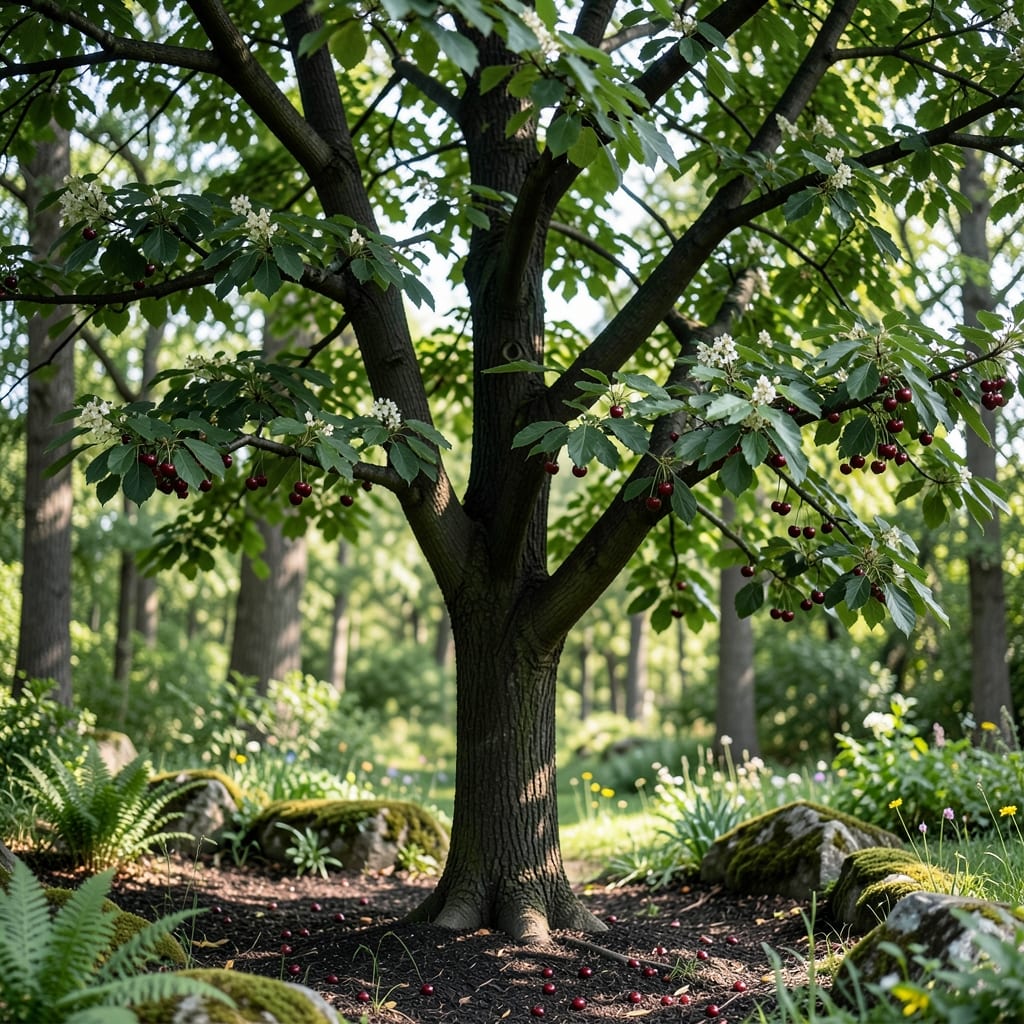
If you're wondering how tall do black cherry trees grow, you're not alone—this stunning 🌳 can stretch from a modest 20 feet to an impressive 65 feet, depending on the variety! Whether you're planning a backyard oasis or a large property landscape, understanding these dimensions is key to making the right choice.
Native to North America, the black cherry tree thrives in USDA Zone 6a and beyond, offering both beauty and wildlife benefits. But here's the catch: some varieties grow aggressively, while others stay more manageable. We'll break down the differences so you can pick the perfect fit for your space.
From compact selections perfect for suburban yards to towering giants that dominate rural landscapes, there's a black cherry tree for every setting. Discover which variety aligns with your property size and long-term vision—because once planted, these trees are here to stay for decades.
Ready to make an informed decision? Let's explore the height ranges, growth rates, and spacing guidelines that will help you plant with confidence. Your future shade (and wildlife haven) starts with the right choice!

Black cherry tree height by variety: mature size chart
Black cherry trees (Prunus serotina) are stunning additions to any landscape, but their height varies dramatically between varieties. While some reach 65 feet—towering over your home—others stay compact at just 10-15 feet. This diversity means you can find the perfect fit for your space, whether you have a sprawling estate or a cozy suburban yard.
The wild-type black cherry typically matures between 20-65 feet, but selective breeding has introduced dwarf and semi-dwarf varieties. These smaller options are ideal for urban gardens or smaller properties where space is limited. Let’s explore the key varieties and their mature heights so you can make an informed choice.
🌱
| Variety | Mature Height | Growth Rate | Notes |
|---|---|---|---|
| Wild-Type Black Cherry | 20-65 ft | Fast (2-3 ft/year) | Native, aggressive grower |
| 'Northrup King' | 40-50 ft | Moderate (1-2 ft/year) | Popular fruit variety |
| 'Meteor' | 25-30 ft | Slow to moderate | Columnar shape, great for small yards |
| 'Schubert' | 20-25 ft | Moderate | Dwarf selection, great for containers |
| 'Black Beauty' | 15-20 ft | Slow | Dwarf variety, ideal for urban gardens |
| 'Columbia' | 30-40 ft | Fast | Cold-hardy, great for northern climates |
| 'Stella' | 10-15 ft | Very slow | Ultra-dwarf, perfect for patios |
The 'Meteor' and 'Schubert' varieties are excellent choices if you're limited on space. These trees stay between 20-30 feet, making them ideal for suburban yards or small landscapes. Meanwhile, the wild-type and 'Northrup King' varieties are better suited for larger properties where their towering heights can be fully appreciated.
If you're planning to plant a black cherry tree, consider not just its height but also its root spread. Most varieties develop roots that spread 20-30 feet from the trunk, so ensure you have enough space to accommodate both the tree and its roots. This is especially important in urban settings where space is limited.
🌿
Another factor to consider is the growth rate. Some varieties, like the wild-type, can grow 2-3 feet per year, while dwarf varieties like 'Stella' grow much slower. If you're eager to see your tree mature quickly, opt for a faster-growing variety, but be prepared for the long-term commitment of maintaining a large tree.
For those in USDA Zone 6a or colder, varieties like 'Columbia' are excellent choices due to their cold hardiness. These trees can withstand harsh winters while still reaching impressive heights. Always check the specific variety's hardiness zone to ensure it’s suitable for your climate.
🪴
When selecting a black cherry tree, think about your long-term goals. If you're planting for shade, fruit, or wildlife, a taller variety may be ideal. However, if you're working with limited space, a dwarf or semi-dwarf variety will save you from potential issues down the line, such as overcrowding or root conflicts with other plants.
Finally, remember that proper pruning can influence the height and shape of your black cherry tree. Regular pruning not only helps control its size but also promotes healthier growth and better fruit production. If you're unsure about pruning techniques, consult a local arborist or gardening expert to ensure you're doing it correctly.
Space requirements for black cherry trees: planting guidelines
Choosing the right black cherry tree variety starts with understanding its space requirements. Since these trees can grow anywhere from 20 feet to towering 65 feet, your yard size and layout play a critical role in selection. Urban gardeners often opt for dwarf varieties, while rural landscapes can accommodate the wild-type giants that dominate forests.
Beyond height, consider the tree's root spread, which can extend 2-3 times the canopy width. This means a 30-foot-tall tree might need 60 feet of horizontal space to avoid crowding nearby plants or structures. Always check local planting restrictions—some cities limit tree height to prevent power line conflicts.
🌳
| Variety | Mature Height | Root Spread | Ideal Spacing |
|---|---|---|---|
| Wild Type | 50-65 ft | 40-50 ft | 100+ ft from structures |
| 'North Star' | 20-25 ft | 15-20 ft | 30-40 ft from buildings |
| 'Schubert' | 15-20 ft | 12-15 ft | 20-25 ft from structures |
| 'Black Beauty' | 30-40 ft | 25-30 ft | 50-60 ft from buildings |
| 'Columbia' | 40-50 ft | 30-40 ft | 70-80 ft from structures |
For urban gardens, prioritize dwarf varieties like 'Schubert' or 'North Star'—they fit neatly into smaller yards while still providing shade and wildlife benefits. In contrast, rural properties can handle the wild-type or 'Columbia' varieties, which create dramatic focal points in open landscapes.
When planting near power lines, maintain a minimum 30-foot clearance for mature trees. Always call your local utility company before digging to avoid costly mistakes. Proper spacing now prevents pruning headaches later—black cherry trees are difficult to prune once mature.
Consider soil conditions too—these trees thrive in well-draining soil but can suffer in waterlogged areas. Amend heavy clay with compost to improve drainage and encourage healthier root growth. With the right variety and placement, your black cherry tree will thrive for decades, becoming a cherished centerpiece of your landscape.