
Flowers
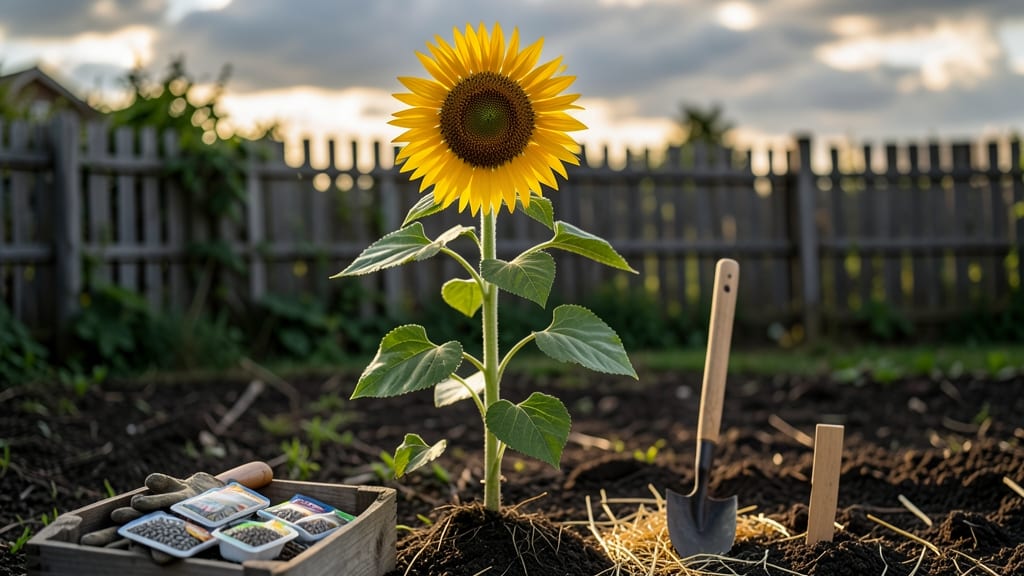
Planting sunflowers in Missouri at the right time means the difference between towering, vibrant blooms and stunted, weak stems. With Missouri’s 5b-6b climate, timing your 🌻 seeds after the last frost—typically late April to early June—sets the stage for success.
If you’ve ever wondered why some sunflowers thrive while others struggle, the answer often lies in when they hit the soil. Too early, and frost will nip fragile seedlings; too late, and you’ll miss the ideal 165 frost-free days needed for maximum height.
Missouri’s microclimates add another layer—St. Louis may be ready weeks before rural areas.
This guide breaks down the exact planting windows for your zone, whether to start seeds indoors or sow directly, and how to adjust for early or late varieties. You’ll also discover how to extend your growing season for giant stems up to 16 feet—perfect for cutting or bird-feeding.
Ready to grow sunflowers that turn heads? Let’s dive into the zone-specific deadlines and soil prep tips that will give your 🌻 the best start possible in Missouri’s garden.
Missouri sunflower planting deadlines by USDA Zone (5a-6b)
Missouri spans USDA Zones 5a to 6b, meaning your planting timeline depends heavily on where you live. In northern Missouri (Zone 5a), last frost typically arrives around April 20-25, while southern Missouri (Zone 6b) sees frost-free conditions as early as March 25-April 10.
For optimal growth, wait until soil temperatures reach 55°F (13°C)—a critical threshold for sunflower germination.
Most Missouri gardeners aim to plant sunflowers between late April and early June. This window ensures plants mature before the first frost, which usually hits October 15-30. Early varieties can handle cooler soils, while giant varieties need warmer conditions to reach their full height potential.
Here’s a quick breakdown for Missouri’s major cities: St. Louis (Zone 6a) has an average last frost of April 10, Kansas City (Zone 6b) sees frost-free conditions by April 5, and Springfield (Zone 6a) typically warms up by April 15.
Adjust your timeline based on microclimates—urban areas may warm faster than rural spots.
🌱
| USDA Zone | Last Frost Date | Ideal Planting Window | Soil Temp Threshold | First Frost Risk |
|---|---|---|---|---|
| 5a (Northern MO) | April 20-25 | May 1 - May 15 | 55°F (13°C) | October 15-20 |
| 5b (Central MO) | April 10-15 | April 25 - May 10 | 55°F (13°C) | October 20-25 |
| 6a (St. Louis, Springfield) | April 5-10 | April 15 - May 5 | 50°F (10°C) | October 25-30 |
| 6b (Southern MO) | March 25 - April 5 | April 1 - April 15 | 50°F (10°C) | November 1-5 |
For direct sowing (the preferred method for sunflowers), plant seeds 1 inch deep and 6 inches apart. Thin seedlings to 12-24 inches apart once they reach 3-4 inches tall. If you’re growing giant varieties like Mammoth or Russian Giant, give them extra space—they can reach 12-16 feet tall!
Missouri’s humid summers mean sunflowers need well-draining soil to prevent root rot. Amend heavy clay soils with compost or sand before planting. A slightly acidic to neutral pH (6.0-7.0) is ideal for sunflowers, though they’re adaptable to a wide range.
If you’re in Zone 5a and worried about short seasons, opt for early-maturing varieties like Teddy Bear or Autumn Beauty. These can bloom in as few as 50-60 days, giving you vibrant flowers even with a shorter growing window.
🌿
Pro tip: Use a soil thermometer to monitor temperatures. Sunflower seeds won’t germinate below 50°F (10°C), and cooler soils can lead to uneven sprouting. If your soil is still chilly, consider using black plastic mulch to warm it up faster—this can shave 1-2 weeks off your planting timeline.
For late plantings (after June), choose dwarf or semi-dwarf varieties like Sunspot or Little Becka. These won’t reach the same heights but can still thrive with 6-8 hours of sun daily and consistent moisture. Just be prepared for shorter stems—typically 3-6 feet tall instead of the towering giants.
🌻
How to extend your Missouri sunflower growing season for maximum height
Missouri’s sunflower lovers know that timing isn’t just about avoiding frost—it’s about coaxing those 8-foot+ stems to reach their full potential. With the right techniques, you can push your planting window 2-4 weeks later than average, giving your sunflowers more time to grow before winter arrives.
Start by choosing cold-hardy varieties like Autumn Beauty or Mammoth, which tolerate cooler soil temperatures. These varieties can handle 45°F soil and even light frosts once established, giving you a head start in early April if you’re in Zone 6b.
Use black plastic mulch or row covers to warm the soil faster. Lay down mulch 2-3 weeks before planting to create a microclimate that’s 5-10°F warmer than the surrounding area. This lets you plant 2 weeks earlier in spring or 1 week later in fall without risking frost damage.
🌱 Numbered Highlights: Extend Your Sunflower Season
- 1. Start with cold-hardy seeds: Choose Autumn Beauty or Russian Giant for 45°F soil tolerance.
- 2. Use row covers: Extend spring planting 2 weeks later or fall planting 1 week later.
- 3. Warm soil with mulch: Black plastic raises soil temp 5-10°F for earlier planting.
- 4. Succession plant: Sow new seeds every 2 weeks from May to July for continuous blooms.
- 5. Avoid bolting: Keep soil moist but not soggy to prevent premature flowering.
For late-season sunflowers, try succession planting. Sow seeds every 2 weeks from early May to mid-July to ensure a steady supply of blooms. This works especially well for dwarf varieties like Teddy Bear, which mature faster and can handle cooler fall temperatures.
If you’re in Zone 5a, focus on soil warming techniques like using clear plastic tunnels or planting near south-facing fences/walls. These methods can add 10-14 extra growing days in spring, helping your sunflowers reach 6+ feet before summer heat peaks.
Finally, monitor your soil temperature with a soil thermometer. Sunflower seeds need 55-60°F soil to germinate, but cold-hardy varieties can sprout at 45°F. Plant when soil hits 50°F for best results, even if air temps are still chilly.
With these tricks, you’ll turn Missouri’s short growing season into a sunflower powerhouse—producing taller stems and longer blooms than you ever thought possible. 🌻