
Plants
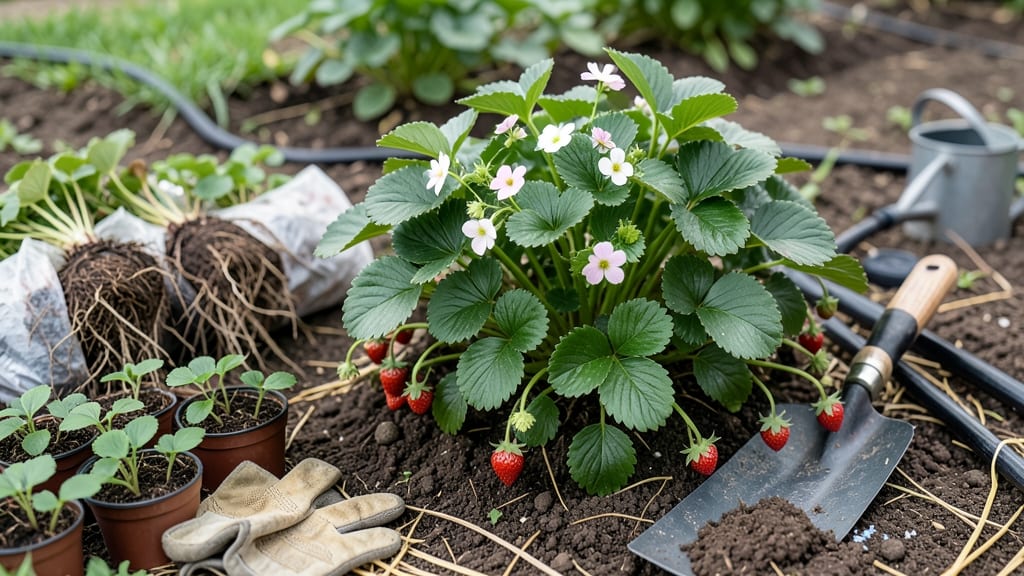
If you’ve ever planted strawberries in Florida only to watch them wilt under the summer sun or struggle through unexpected frosts, you’re not alone—timing is the key to thriving 🍓 harvests.
The best time to plant strawberries in Florida isn’t just about the calendar; it’s about understanding your heat zone and avoiding the brutal midday heat or rare winter chills that can derail your garden.
Florida’s unique climate—where zones 8a-11 stretch from the Panhandle to the Keys—means your neighbors’ planting schedule might not work for you. Whether you’re in North Florida’s cooler winters or South Florida’s near-tropical summers, the optimal windows shift dramatically.
I’ll break down the exact months that give your strawberries the best shot at success, from early fall’s mild weather to late winter’s cooler days.
You’ll also discover how to stretch your harvest season beyond the usual spring and fall peaks—because Florida’s long growing year means you can enjoy fresh strawberries almost year-round with the right strategies.
From soil prep to shade solutions, I’ll share the game-changer tips that keep your plants happy, even when the heat or humidity tries to take over.
Ready to turn your Florida garden into a strawberry paradise? Let’s dive into the heat-zone secrets that’ll have you picking ripe berries for months—without the guesswork.
Florida heat zone planting calendar: best months by region for strawberries
Florida’s unique climate—spanning USDA Zones 8a-11—means strawberries can thrive year-round, but timing is critical. Unlike cooler states, Florida’s humidity and summer heat make fall and winter planting the gold standard for most regions.
Let’s break down the best planting windows by Florida’s three main zones to avoid heat stress and maximize your harvest.
North Florida (Zones 8a-8b, e.g., Jacksonville, Gainesville) has the most frost risk, while South Florida (Zones 10a-11, e.g., Miami, Fort Lauderdale) rarely sees frost. Central Florida (Zone 9a, e.g., Orlando, Tampa) falls in between.
I’ll show you how to adapt your planting schedule based on your location to get the sweetest, most abundant strawberries possible.
🌱 Pro Tip: Florida’s strawberries fall into two main categories: June-bearing (one big harvest) and everbearing (multiple smaller harvests). Everbearing varieties like ‘Florida Brilliance’ are ideal for Florida’s climate because they produce fruit in both spring and fall, giving you two harvests per year.
In North Florida, the coolest months (January–February) are perfect for planting because the soil is warm enough to encourage root growth, but the air stays cool enough to prevent heat stress. This aligns with the natural dormancy period for strawberries, giving them a head start before spring’s warmer weather.
If you plant in late September–October, your strawberries will establish roots before winter and produce an early spring harvest.
For Central Florida, the August–September window is ideal because it allows plants to establish before the hottest months. However, if you’re growing everbearing varieties, you can also plant in January–March for a fall harvest.
The key is to avoid planting during April–June, when temperatures often exceed 90°F, causing heat stress and poor fruit set.
South Florida gardeners have the luxury of year-round planting, but the best results come from planting in September–November or February–April. These windows avoid the peak heat of summer, which can lead to sunburned leaves and reduced fruit quality.
Even in South Florida, providing partial shade during the hottest afternoons (2 PM–5 PM) can significantly improve yields.
One of my favorite strategies for Florida gardeners is to use strawberry varieties bred for heat tolerance, such as ‘Chandler’ or ‘Camarosa.’ These varieties handle Florida’s climate better than traditional June-bearing types and produce fruit in both spring and fall.
If you’re in North Florida, consider planting June-bearing varieties like ‘Seascape’ in early fall for a single, massive harvest in spring.
Remember, Florida’s humidity can lead to fungal diseases like gray mold if plants aren’t given proper airflow. When planting, space your strawberries 12–18 inches apart in rows 2–3 feet apart to allow for good circulation. This is especially important in Central and South Florida, where humidity levels are highest.
Finally, don’t forget to mulch heavily after planting. A 3–4 inch layer of straw or pine bark helps retain moisture, suppress weeds, and keep roots cool during Florida’s hot summers. This simple step can mean the difference between thriving plants and struggling ones during our intense heat waves.
By following these region-specific planting windows, you’ll set your strawberries up for success—whether you’re in frost-prone North Florida or frost-free South Florida.
The key is to plant when the soil is warm but the air is cool, and you’ll be rewarded with juicy, homegrown strawberries for months to come. 🍓
Florida heat zone planting calendar: best months by region for strawberries
Florida’s diverse climate—from North Florida’s occasional frosts to South Florida’s year-round warmth—means strawberry planting isn’t one-size-fits-all. The key is timing to avoid summer heat stress (above 90°F) while capitalizing on cooler seasons when plants thrive. Let’s break down the optimal planting windows by Florida’s three main regions.
For North Florida (Zones 8a-8b), where frosts can dip below 30°F, the safest window is early fall (August–September) or late winter (January–February).
These months let plants establish roots before summer’s brutal heat or winter’s chill. June-bearing varieties like ‘Chandler’ excel here, while everbearing types (e.g., ‘Florida Brilliance’) stretch harvests year-round with proper care.
| Region | Best Planting Months | Key Varieties | Avoid Planting |
|---|---|---|---|
| North Florida (Zones 8a-8b) | August–September, January–February | Chandler, Camarosa, Florida Brilliance | April–July (heat stress risk) |
| Central Florida (Zones 9a-9b) | September–October, February–March | Seascape, Sweet Charlie, Ozark Beauty | May–August (extreme heat) |
| South Florida (Zones 10a-11) | Year-round (peak: Sept–Nov, Jan–Feb) | Strawberry Festival, Sweet Angel, Florida 90 | None (but use shade in summer) |
Central Florida (Zones 9a-9b) offers a slightly longer window, with September–October and February–March as prime times. Here, Seascape and Sweet Charlie thrive, producing fruit in 60–70 days. If you’re ambitious, you can even plant everbearing varieties in containers for summer harvests, but expect smaller yields due to heat.
In South Florida (Zones 10a-11), the year-round growing season means strawberries can be planted any month, but September–November and January–February deliver the best results.
Varieties like Strawberry Festival handle humidity well, but afternoon shade (e.g., row covers or dappled shade trees) is a must during June–August to prevent sunburn on leaves and fruit.
Pro tip: For urban gardeners or those with limited space, container growing lets you plant everbearing varieties in late summer (June–July) for a fall harvest—just move pots to partial shade during peak heat. Use well-draining soil mixes with 30% perlite to prevent root rot in Florida’s humid climate.
Remember, soil temperature matters just as much as air temperature. Strawberries need soil 60–70°F to germinate—so avoid planting when ground temps exceed 85°F. Test your soil’s warmth with a soil thermometer before committing to a planting date.