
Companion Plants
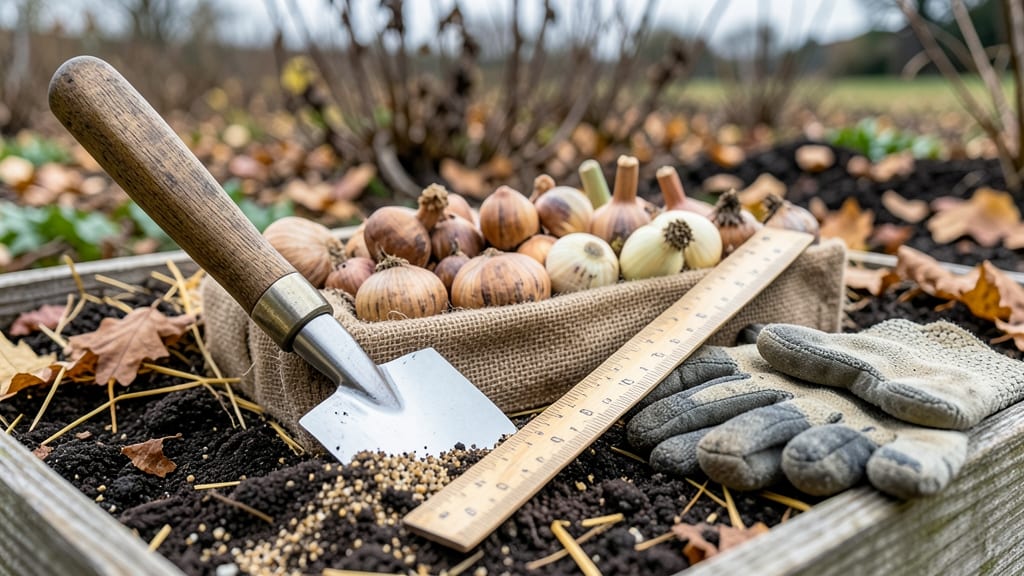
Timing your bulbs in the fall planting can feel like guessing—too early, and they rot; too late, and frost zaps their energy. But here’s the game-changer: soil temperature, not just calendar dates, holds the key to success.
In USDA Zone 6a, where I garden, the window is narrow but critical, and missing it means sacrificing next spring’s vibrant blooms.
Most gardeners assume September through November is the safe bet, but that’s oversimplified. The real magic happens when soil cools to 60°F (15°C)—a threshold that triggers root growth without inviting rot.
I’ve learned the hard way that planting too soon in warm soil can turn bulbs into mushy disappointments, while waiting too long risks dormancy before roots establish.
What if you could pinpoint the exact moment to plant for perfect root development? That’s what this guide unlocks—no more guesswork, just science-backed steps to ensure your tulips, daffodils, and crocuses thrive.
Let’s break down the soil temp checklist and regional tweaks that’ll have your garden bursting with color by spring.
From preparing the bed to choosing the right bulbs for your climate, I’ll walk you through every detail so you can confidently dig in. Whether you’re a first-timer or a seasoned gardener, these insights will help you avoid common pitfalls and set your bulbs up for a stunning spring show.
Fall bulb planting timeline by soil temperature (not calendar date)
Most gardeners rely on calendar dates to plant fall bulbs, but soil temperature is the real game-changer. Bulbs like tulips and daffodils need 6-8 weeks of cool soil (below 60°F) to establish roots before winter.
Planting too early or late can leave them vulnerable to rot or frost damage. A soil thermometer ($10 at garden centers) is your best tool for precision planting.
In USDA Zone 6a (like much of the Midwest), the ideal window is mid-September to early November—but this shifts 2-4 weeks earlier in colder zones (e.g., Zone 3) and 2-3 weeks later in milder zones (e.g., Zone 10).
The key is planting when soil temps hover around 50-60°F—warm enough for roots to grow but cool enough to prevent sprouting.
For example, crocus (hardy to Zone 3) can handle earlier planting in late August, while dahlias (tender, Zone 8+) must go in by mid-November to avoid frost. Hyacinths and alliums thrive in the same window as tulips but tolerate slightly warmer soils.
Always check your local first frost date (e.g., October 31 in Zone 6a) and count backward.
If you’re in a warmer microclimate (e.g., urban heat islands), bulbs may sprout too early. To delay growth, plant in shaded beds or use black plastic mulch to absorb heat. Conversely, in cold pockets (like high elevations), plant shallow and early—roots need time to anchor before hard freezes.
Pro tip: Test your soil 2-3 inches deep with a thermometer at 10 AM (when temps are stable). If it’s above 60°F, wait 1-2 weeks.
For container gardening, use a thermometer with a probe—pots heat up faster than ground soil. Tender bulbs (like gladiolus) need warmer soil (65-75°F) and should go in after your last frost in spring.
Remember: Bulbs planted in ideal conditions will flower 2-3 weeks earlier than those struggling with timing. For example, daffodils planted at 55°F soil in Zone 6a often bloom by early April, while late plantings may wait until mid-May. The difference? 6 weeks of color in your garden.
Don’t overlook moisture levels—soil should be damp but not soggy at planting. Use a moisture meter if your area gets erratic fall rains. Well-draining soil is critical; amend heavy clay with compost or sand to prevent rot. In sandy soils, water lightly after planting to help bulbs settle.
For large bulbs (like tulips), aim for 6-8 inches deep (2x bulb height), while small bulbs (like crocus) only need 2-3 inches.
Planting too deep delays blooming; too shallow risks frost damage. Label your beds with stakes—spring amnesia is real, and you’ll thank yourself when you’re digging up weeds next year.
Finally, mulch after planting (2-3 inches of straw or shredded leaves) to insulate bulbs and retain moisture. In Zone 4-6, add a thicker layer (4-6 inches) if winters are harsh. Just avoid wet mulch, which can smother bulbs.
With the right timing, your fall-planted bulbs will reward you with vibrant spring blooms—and maybe even a few early flowers peeking through snow.
Best fall-planted bulbs for your climate Zone (and when to avoid them)
Not all bulbs thrive when planted in the fall—some need winter dormancy, while others prefer milder conditions. Understanding your USDA zone and frost dates helps you pick the right bulbs for your region.
For example, crocus and snowdrops can handle early planting, but dahlias and gladiolus need warmer soil before the ground freezes.
Hardy bulbs like tulips, daffodils, and hyacinths can survive winter in zones 3-8, while tender bulbs like cannas and caladiums must be planted later in warmer zones (9-11).
Always check your last frost date—planting too early can lead to rot, while waiting too long may prevent root growth before winter.
Here’s a quick guide to match bulbs with your climate and planting window:
Avoid planting tender bulbs like caladiums or elephant ears in colder zones—they won’t survive winter. Instead, opt for hardy perennials like alliums or fritillaries, which thrive in chilly climates. For zones 9-11, extend your planting window into early winter for bulbs like amaryllis or paperwhites.
Pro tip: If you’re unsure about your frost date, use a soil thermometer to confirm when temps drop below 60°F—this is your cue to plant. Mulch after planting to insulate bulbs and protect them from freeze-thaw cycles.
Remember, the goal is to give bulbs time to establish roots before dormancy. With the right bulbs and timing, you’ll enjoy vibrant spring blooms year after year! 🌷