
Companion Plants
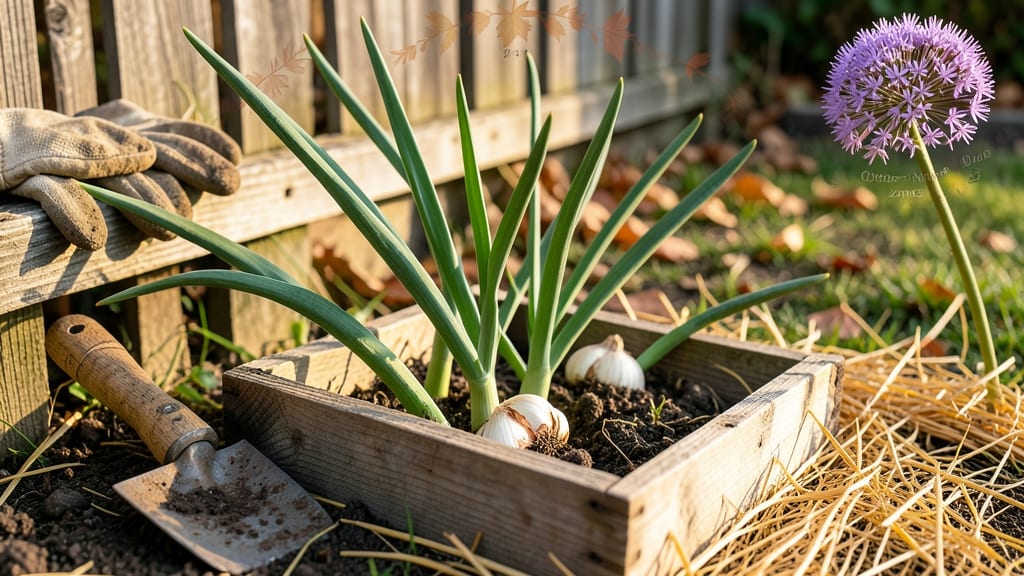
If you're wondering "when should I plant garlic in Zone 7", timing is everything—get it wrong, and you'll end up with puny bulbs instead of the bold, flavorful harvests you're dreaming of. 🧄 The secret lies in planting your cloves 4-6 weeks before the ground freezes, typically between October and November, when the soil is cool but still workable.
Zone 7's unpredictable frosts make this window critical—plant too early, and your garlic might bolt; too late, and it won't establish strong roots before winter. I'll show you exactly how to nail the timing, whether you're growing hardneck varieties for those prized scapes or softneck for long-term storage.
Beyond the calendar, we'll cover soil prep, spacing tricks, and how to protect your crop from late-season cold snaps. With these insights, you'll be well on your way to harvesting plump, papery-skinned garlic bulbs by next summer.
Let's dive into the exact steps to turn your Zone 7 garden into a garlic-growing powerhouse—no guesswork, just proven results.
Best months to plant garlic in Zone 7 for maximum bulb size
In Zone 7, timing is everything when planting garlic—aim for a window that lets the plant establish roots before winter dormancy.
The ideal planting window is between mid-October and early November, when soil temperatures drop below 70°F but before the first hard frost (October 15 in Zone 7). This timing ensures your garlic develops strong roots while avoiding winter kill.
Garlic thrives on cold stratification, a process where cloves experience winter chills to form bulbs. Planting too early (September) risks sprouting before frost, while planting too late (December) may leave insufficient time for root growth before dormancy.
The 6-week window before freezing is critical for success.
For hardneck varieties, which produce scapes and are prized for their bold flavor, this timing is non-negotiable. Softneck varieties, though more forgiving, still benefit from the same window to maximize bulb size. Missing this window can result in smaller bulbs or even total crop failure.
Here’s why this timing works: Garlic needs 4-6 weeks of root growth before winter sets in. By planting in October–November, you ensure roots establish while the tops remain dormant. In Zone 7, where winters are mild but frosts occur, this balance is key.
If you’re unsure about your local frost date, check your USDA Zone 7 average first frost date (typically October 15) and plant 4-6 weeks before. For example, if your frost date is November 1, aim to plant by October 10.
Pro tip: Use a soil thermometer to confirm soil temps are below 70°F before planting. This small step can prevent premature sprouting and ensure stronger bulbs.
| Stage | Action | Zone 7 Timing |
|---|---|---|
| Soil Prep | Loosen soil, add compost | September–October |
| Planting | Plant cloves 2" deep, pointy end up | October–November |
| Mulching | Add 2–4" of straw | After planting |
| Winter Dormancy | Garlic rests under snow/mulch | December–February |
| Spring Growth | Remove mulch, water lightly | March–April |
| Harvest | Lower leaves brown, tops dry | July–August |
While fall planting is ideal, you can also plant garlic in early spring (February–March) in Zone 7. However, spring-planted garlic typically yields smaller bulbs because it misses the cold stratification period. If you choose this route, plant 4-6 weeks before your last frost date (around April 15 in Zone 7).
One common mistake is assuming all garlic varieties thrive on the same schedule. Hardneck garlic, for example, requires the cold stratification to form bulbs, while softneck varieties are slightly more flexible. Always check the variety’s instructions, but stick to the October–November window for best results.
For Zone 7 gardeners, the key takeaway is to plant garlic when soil temps are cool but before frost locks the ground. This ensures your cloves establish roots while the plant remains dormant through winter, setting the stage for a bountiful summer harvest.
If you’re new to garlic growing, start with hardneck varieties like ‘Music’ or ‘German White’, which are well-suited to Zone 7’s climate. These varieties produce large bulbs and scapes, making them a gardener’s favorite.
Remember: The earlier you plant in the fall window, the larger your bulbs will be. Don’t wait until November if you can plant in October—your future self (and taste buds) will thank you!
How to adjust planting time for early vs. late garlic varieties in Zone 7
Not all garlic varieties thrive equally in Zone 7, and timing matters even more when choosing between hardneck and softneck types. Hardnecks, like ‘Music’ or ‘German White’, need cold exposure to form bulbs, while softnecks, such as ‘Silverskin’, adapt better to milder winters.
Planting hardnecks too late risks stunted growth, while softnecks may overwinter poorly if planted too early.
For hardneck garlic, aim to plant 6-8 weeks before the first hard frost (typically mid-October in Zone 7). This gives roots time to establish before winter dormancy. Softneck varieties, however, can handle slightly later planting—up to early November—since they’re less dependent on cold vernalization.
Spring planting is trickier for hardnecks, as they often produce smaller bulbs without winter chill. If you must plant in spring, choose early February to give them 12+ weeks of growth before summer heat stresses them. Softnecks, however, can tolerate spring planting as late as March while still yielding well.
🌱 Garlic Variety Planting Guide for Zone 7
| Variety Type | Ideal Planting Window | Cold Requirement | Bulb Size Risk |
|---|---|---|---|
| Hardneck (e.g., 'Music', 'German White') | Mid-October to early November | High (needs winter chill) | Small bulbs if planted late |
| Softneck (e.g., 'Silverskin', 'Artichoke') | Late October to early November | Low (adapts to mild winters) | Smaller bulbs if planted too early |
| Both Types (Spring Planting) | February (hardneck) or March (softneck) | None (reduced bulb size) | Smaller bulbs guaranteed |
If you’re unsure about your garlic’s cold needs, check the seed packet for vernalization requirements. Hardnecks often label themselves as "cold-hardy", while softnecks may note "mild-climate tolerant". For Zone 7’s 30-40°F winters, hardnecks generally outperform softnecks in bulb size, but softnecks store longer and store better.
Pro tip: Plant a mix of both types to balance flavor (hardnecks) and storage life (softnecks). For example, dedicate 60% of your plot to hardnecks (like ‘Chesnok Red’) and 40% to softnecks (like ‘California Early’) for year-round harvests.
Remember, garlic planted in fall will always yield larger bulbs than spring-planted garlic in Zone 7. If you miss the fall window, don’t despair—just adjust your expectations for smaller harvests and focus on soil prep and consistent watering to salvage what you can.