
Trees
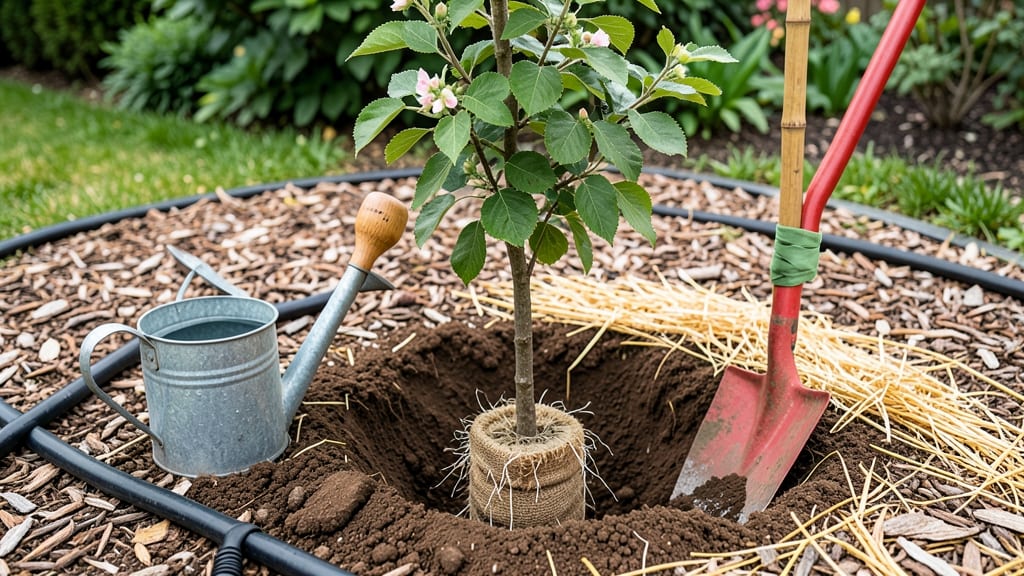
Timing your when to plant apple trees in SC is the difference between a thriving 🍎 orchard and a sad, struggling sapling.
South Carolina’s mild winters and humid summers create a tricky balance—plant too early, and your tree might not establish roots before summer heat; too late, and frost could damage delicate new growth.
If you’re dreaming of crisp, homegrown apples, the best window is late winter to early spring (February–March), when soil temperatures rise just enough for roots to take hold.
But here’s the catch: coastal Charleston’s longer frost-free season means you can push planting into early April, while the Upstate’s colder microclimates demand an earlier start in February.
I’ve seen gardeners skip this detail and end up with stunted trees—or worse, ones that never recover from transplant shock. The key? Planting 4-6 weeks before your last frost date (usually mid-March in most of SC) gives roots time to spread before summer’s intense heat or winter’s first chill.
Whether you’re digging in-ground or container-grown 🍎 varieties, I’ll break down exactly how to time it right for your zone—plus soil prep tricks and frost-hardy picks that’ll survive SC’s unpredictable weather. Let’s get those trees growing strong!
Best months to plant apple trees in South Carolina for frost-resistant growth
Planting apple trees in South Carolina requires careful timing to ensure they establish strong roots before winter frost. The ideal window is late winter to early spring, specifically February through March, when soil temperatures rise above 40°F (4°C).
This period allows roots to grow before the last frost date, typically around mid-March, depending on your region.
For bare-root trees, the best time is February—their dormant state makes them easier to transplant. Container-grown trees, however, can be planted slightly later, into early April, as their root systems are already established. Planting too late risks transplant shock before roots can settle in.
South Carolina’s USDA hardiness zones 7b-8a mean frost can arrive as early as November in the Upstate or as late as December in coastal areas. To avoid winter damage, aim to plant 4-6 weeks before your local last frost date.
Check the SC State Climatology Office for your county’s average frost dates.
Soil temperature is critical—roots won’t grow well in cold, wet soil. Use a soil thermometer to confirm temperatures are above 45°F (7°C) before planting. In coastal SC, where humidity is higher, planting in early March reduces fungal risks like root rot.
If you miss the spring window, fall planting (late October) is possible in Upstate SC, where winters are cooler. However, avoid fall planting in coastal areas—warm winters can cause premature budding, weakening the tree before frost.
🌱 Planting Window Comparison for SC Apple Trees
| Tree Type | Best Months | Soil Temp Requirement | Regional Notes |
|---|---|---|---|
| Bare-Root | February | Above 40°F (4°C) | Best for Upstate SC; avoid coastal humidity. |
| Container-Grown | March–Early April | Above 45°F (7°C) | Ideal for Piedmont; reduce transplant shock. |
| Fall Planting | Late October (Upstate only) | Above 50°F (10°C) | Risky in coastal areas; avoid if winters are mild. |
💡 Pro Tip: Test soil pH (ideal: 6.0–6.5) before planting to prevent nutrient deficiencies.
In Upstate SC, where winters are cooler, focus on February planting to give roots time to harden before frost. Piedmont regions like Columbia can extend the window to early April, while coastal areas like Charleston should prioritize March to avoid summer heat stress.
For dwarf varieties (e.g., ‘Liberty’ or ‘Enterprise’), container planting in late winter works well—their smaller root systems establish faster. Standard trees need deeper, wider holes (twice the root ball size) to prevent girdling roots.
After planting, mulch heavily (3–4 inches of organic mulch) to retain moisture and regulate soil temperature. Water deeply once a week for the first month, then taper to every 10–14 days once roots are established. Avoid overhead watering to prevent fungal diseases.
If you’re unsure about your local frost dates, consult the SC Department of Natural Resources or use the National Weather Service’s frost prediction maps.
Planting at the right time isn’t just about timing—it’s about giving your apple tree the best shot at thriving in South Carolina’s unique climate. 🌳
How South Carolina’s microclimates affect apple tree planting timing
South Carolina’s diverse climate zones mean the best planting window for apple trees varies dramatically. Coastal areas like Charleston experience humid subtropical conditions, while the Upstate’s cooler temperatures create a shorter growing season. Even within these zones, elevation and proximity to water bodies shift frost dates by weeks. Understanding these variations ensures your tree thrives from day one. The USDA hardiness zones 7b-8a cover most of SC, but microclimates create nuanced differences. For example, Greenville’s transitional climate allows earlier planting than Charleston’s milder winters. Upstate regions like Spartanburg face earlier frosts, requiring trees to establish roots faster. Always check local frost date averages—your county extension office has the most precise data.🌱 South Carolina Microclimate Planting Guide
| Region | USDA Zone | Best Planting Window | Last Frost Date | Cold-Hardy Varieties |
|---|---|---|---|---|
| Coastal (Charleston) | 8a | March 15-April 15 | March 1-15 | Gala, Fuji, Anna |
| Piedmont (Columbia) | 7b-8a | February 28-March 31 | February 28-March 10 | Akane, Red Delicious |
| Upstate (Greenville) | 7a-7b | February 15-March 15 | February 15-28 | McIntosh, Cortland |
⏰ Pro Tip
Check your local extension office for 3-year frost averages—not just the latest year’s data. SC’s frost patterns shift yearly, and historical trends prevent costly mistakes.