
Companion Plants
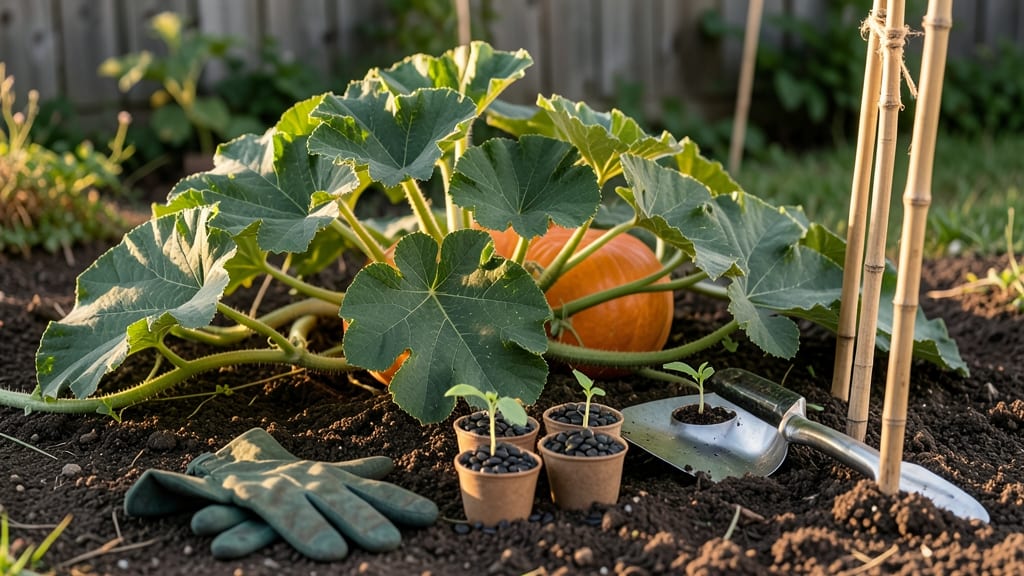
If you're wondering "when should I plant pumpkins in Ohio", timing is everything—especially when Ohio's 6a-6b zones bring unpredictable spring weather. Plant too early, and a late frost could wipe out your 🎃 seedlings. Too late, and your pumpkins won’t mature before the first frost in October.
Most Ohio gardeners wait until mid-April to early June after the last frost, but soil temperature matters more than the calendar. Pumpkin seeds need 60°F+ soil to sprout, so don’t rush—wait for the ground to warm up.
Starting seeds indoors in late March can give you a head start, but direct sowing after Memorial Day works too, especially for shorter varieties.
Here’s the key: Ohio’s frost-free window is tight, so choosing the right variety and planting method makes all the difference. Whether you’re a first-timer or a seasoned gardener, these tips will help you maximize your harvest before the 160-day growing season ends.
Let’s break down the best planting strategies for Ohio’s climate, from seed starting to soil prep, so you can grow pumpkins that thrive—not just survive.
Ohio pumpkin planting timeline by USDA Zone (2024 frost dates)
Ohio spans USDA Zones 4-8, but pumpkins thrive best in Zones 5-7 where the growing season is long enough for full maturity. The last frost date typically falls between mid-April (Zone 4) and early April (Zone 7), while the first frost arrives in mid-October.
This leaves Ohio gardeners with just 160 frost-free days—critical for pumpkins needing 90-120 days to harvest.
For Zone 4 (northwest Ohio), start seeds indoors 4-6 weeks before last frost (early March) or use row covers for direct sowing after soil warms to 60°F. In Zone 7 (south-central Ohio), you can direct-sow as early as mid-April if nights stay above 50°F.
Always check local frost records—Ohio’s weather can shift 10+ days earlier or later than averages.
Here’s the zone-by-zone breakdown of your frost-free window and ideal planting dates:
| USDA Zone | Last Frost Date | Soil Temp Threshold | Direct Sow Window | Indoor Start (Transplant) |
|---|---|---|---|---|
| Zone 4 | Mid-May | 60°F+ (late May) | Late May–early June | Early March (4-6 weeks before last frost) |
| Zone 5 | Early May | 60°F+ (mid-April) | Mid-April–early May | Late February (4-6 weeks before last frost) |
| Zone 6 | Late April | 60°F+ (early April) | Early April–mid-May | Early March (4-6 weeks before last frost) |
| Zone 7 | Early April | 60°F+ (late March) | Mid-March–early April | Late January (6-8 weeks before last frost) |
| Zone 8 | Mid-March | 60°F+ (early March) | Late February–early March | Early January (8-10 weeks before last frost) |
If you’re transplanting seedlings, harden them off for 7-10 days before moving outdoors. Ohio’s soil warms slower than air, so use a soil thermometer—pumpkin seeds won’t sprout below 60°F.
Pro tip: Black plastic mulch can raise soil temps by 5-10°F, extending your planting window in cooler zones.
For direct sowing outdoors, wait until nighttime temps stay above 50°F consistently. In Zone 5-6, this often means late April to early May.
If you’re in Zone 7-8, you can start as early as mid-March in microclimates like southern Ohio’s Scioto Valley, where frost arrives later.
Ohio’s microclimates matter—urban areas like Columbus may frost 2-3 days earlier than rural Appalachian foothills. Check local weather stations (like the Ohio State Extension) for real-time updates. False springs are common; if temps dip below 40°F after planting, cover seedlings with row fabric.
Remember: Pumpkins need space. Vines spread 10-20 feet, so plan your garden layout now. In small spaces, choose bush varieties like ‘Jack Be Little’, which mature in 75-80 days and stay compact. For traditional vining types, allocate 50+ square feet per plant.
Your harvest window in Ohio runs from late September to October, but early frosts can strike by mid-October. To maximize yield, plant two successive crops: one in early May and another in late May for a staggered harvest. This insurance strategy protects against late-season setbacks.
How to adjust pumpkin planting for Ohio’s unpredictable spring weather
Ohio’s spring weather can be a rollercoaster—one day it’s 70°F and sunny, the next it’s 30°F with frost. If you’ve ever planted pumpkins too early only to watch frost kill your seedlings, you’re not alone.
The key is adapting to Ohio’s microclimates and using smart strategies to protect your plants.
First, don’t rely on air temperature alone—soil temperature is what matters most. Pumpkin seeds need soil that’s at least 60°F to germinate. Use a soil thermometer to check before planting. If your soil is still cold, wait it out—rushing leads to poor germination.
Here’s where row covers and cold frames become your best friends. If you’re planting in early April and fear a late frost, use a floating row cover to shield seedlings. For a longer growing season, try a cold frame to warm the soil faster and extend your planting window.
Ohio’s false spring can trick you into planting too early. If temperatures dip below 40°F at night, your pumpkin seedlings are at risk. Always have a backup planting date—usually 2 weeks after your last frost date—ready in case of surprises.
Another trick is to plant in raised beds. They warm up faster than the ground and give you more control over soil conditions. If you’re in northern Ohio (Zone 5), aim for late May to avoid frost.
In southern Ohio (Zone 7), you can start as early as mid-April.
Finally, consider starter plants if your season is short. While pumpkins grow well from seeds, buying transplants from a local nursery gives them a head start. Just be sure to harden them off for a week before planting outdoors.
With these adjustments, you’ll beat Ohio’s unpredictable spring and still end up with plump, healthy pumpkins by fall. The secret? Patience and preparation—not just following a calendar. 🌱