
Plants
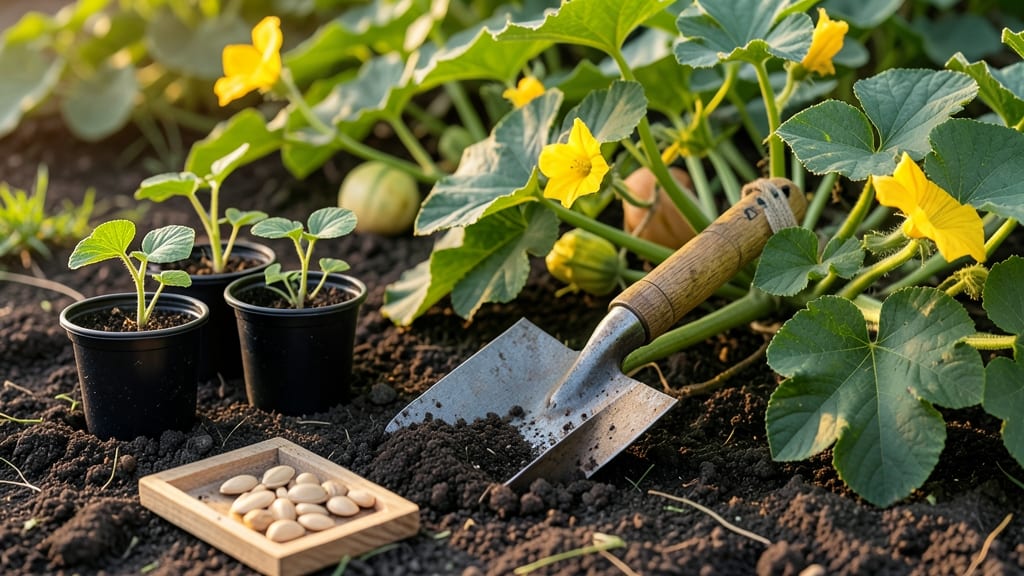
Timing your pumpkin planting in Ohio isn't just about waiting for spring—it's about beating the unpredictable frost and giving your 🎃 vines the perfect 165-day growing window they need to thrive.
The wrong move could leave you with wilted seedlings or underripe gourds, but get it right, and you'll be carving jack-o'-lanterns by October.
Most Ohio gardeners in USDA Zone 6a should start planting pumpkin seeds between mid-April and early June, once soil temperatures hit a steady 60°F—but there's more to it than just dates.
Whether you're in Columbus, Cincinnati, or Cleveland, local microclimates can shift your ideal window by 2-3 weeks, and choosing the right variety makes all the difference.
I’ll break down the exact frost-free timeline, soil temperature secrets, and whether you should start with seeds or seedlings for Ohio’s climate.
Plus, I’ll share the top 3 pumpkin varieties that handle Ohio’s humidity and shorter season like champs—so you can skip the guesswork and grow pumpkins that’ll impress your neighbors.
Ready to turn your Ohio garden into a pumpkin powerhouse? Let’s dive into the planting schedule that’ll give you a bumper crop—no matter what Mother Nature throws your way.
Ohio’s ideal pumpkin planting dates by soil temperature & frost risk
Ohio’s unpredictable spring weather makes timing critical for pumpkin success. The last average frost date hovers around mid-April in most regions, but soil temperature matters more than air temperature. Pumpkin seeds need 60°F+ soil to germinate reliably—colder soils delay sprouting or cause rot.
Northern Ohio (e.g., Cleveland, Toledo) typically waits until late April to early May, while southern Ohio (e.g., Cincinnati, Dayton) can start as early as mid-April. Microclimates near lakes or urban areas may extend growing seasons by 1-2 weeks, so monitor local forecasts closely.
🎃
| Region | Last Frost Date | Ideal Planting Window | Soil Temp Requirement |
|---|---|---|---|
| Northern Ohio (Cleveland, Toledo) | Mid-April | Late April–Early May | 60°F+ |
| Central Ohio (Columbus) | Early April | Mid-April–Late May | 60°F+ |
| Southern Ohio (Cincinnati, Dayton) | Late March | Mid-April–Early June | 55°F+ (earlier starts) |
🌡️ Use a soil thermometer to confirm readiness—cold, wet soils delay germination.
For maximum yield, aim to plant when daytime highs consistently reach 70°F+. This ensures faster vine growth and earlier flowering, critical for Ohio’s 165-day frost-free window. Late plantings (after June 1) risk immature pumpkins before frost.
If you’re starting seeds indoors, begin 4-6 weeks before your target outdoor planting date. Use biodegradable pots to avoid transplant shock when moving seedlings outdoors after the last frost.
🌱
Ohio’s USDA Zone 6a climate demands quick-maturing varieties (90 days or less) for reliable harvests. Powdery mildew and cucumber beetles are common threats, so prioritize resistant varieties like ‘Howden’ or ‘Jack-Be-Little’ if your season feels short.
Pro tip: Black plastic mulch warms soil faster and suppresses weeds—ideal for extending Ohio’s short growing season. Lay it down 1-2 weeks before planting to jumpstart germination.
☀️
Ohio’s ideal pumpkin planting dates by soil temperature & frost risk
Ohio’s last frost date typically arrives between mid-April and early May, but planting too early can kill tender pumpkin seedlings. The key is waiting until your soil reaches a steady 60°F (15°C)—this usually happens 2-3 weeks after the last frost in most regions.
For northern Ohio (e.g., Cleveland), aim for late May; southern Ohio (e.g., Cincinnati) can start as early as mid-April if soil warms faster.
Pumpkins thrive in warm soil, so rush planting won’t help—seeds need consistent temperatures to germinate.
Use a soil thermometer to confirm readiness; if your garden feels cool to the touch, wait another week. Direct-sown seeds (the preferred method) should go in 1 inch deep, spaced 2-3 feet apart to give vines room to sprawl.
Here’s your Ohio-specific planting timeline based on frost-free zones and soil warmth:
If you’re growing short-season varieties (like ‘Jack-Be-Little’), start seeds indoors 2–3 weeks before your target outdoor date to give them a head start. For traditional giant pumpkins, wait until late May—earlier plantings often struggle with Ohio’s humid summers, which can lead to fungal diseases like powdery mildew.
Never plant pumpkins in cold, wet soil—this causes rot and poor germination. Test your soil’s moisture by squeezing a handful; it should crumble easily, not stick together. Well-draining soil is critical, especially in Ohio’s clay-heavy regions. Amend with compost or aged manure to improve texture before planting.
For a second crop, you can try planting dwarf varieties (like ‘Minnesota Golden’) in early June—they’ll mature faster and avoid late-season pests. Just be prepared to harvest by mid-October before the first frost hits. Frost-sensitive pumpkins won’t survive below 28°F (-2°C), so plan accordingly!