
Planting
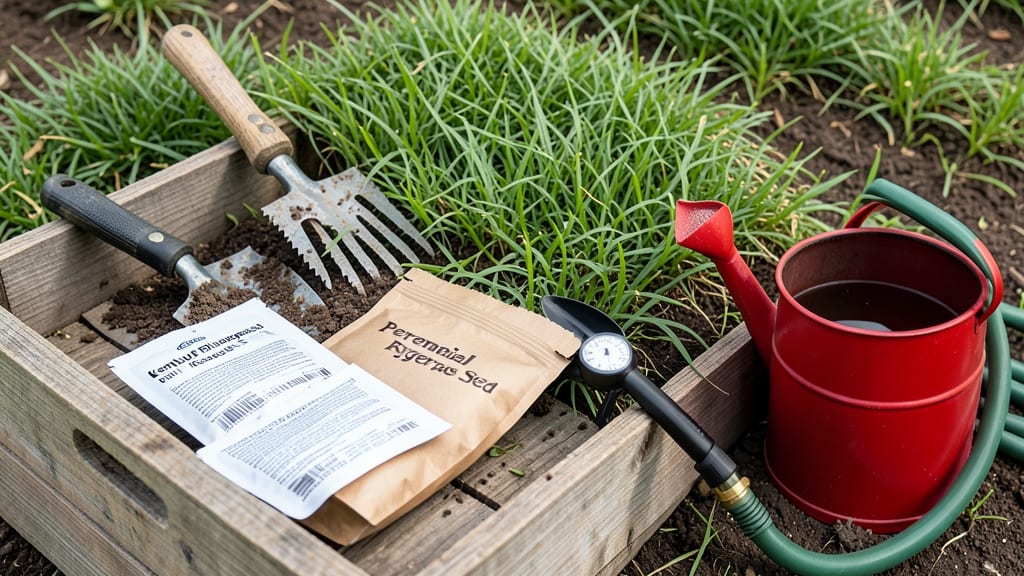
The wrong timing when planting grass in the spring could mean staring at bare soil for weeks—or worse, throwing money away on seeds that never sprout.
Most gardeners wait for the calendar to say "spring," but the real magic happens when your soil hits the perfect temperature range. In Zone 6a, that means waiting until after your last frost date (around April 15 on average), but there's more to it than just the date.
I’ve learned the hard way that rushing too early leads to weak germination, while waiting too long risks heat stress on your new 🌱 grass. The key is understanding how soil temperature, moisture, and grass type all work together.
Let me show you exactly how to time your planting for fast, lush growth—no guesswork involved. You’ll discover the ideal window, soil prep tricks, and post-planting care that turns "hopefully" into "guaranteed" green.
Optimal soil temperatures for planting grass seed in spring
Planting grass seed at the wrong time in spring can leave you staring at bare soil for weeks—or even months. The key to fast germination isn't just picking a random weekend in March; it's understanding your soil temperature.
Most grass seeds need 50-65°F soil to sprout reliably, but cool-season grasses (like Kentucky bluegrass) prefer the lower end, while warm-season types (like Bermuda) thrive when it's warmer.
Here's the catch: air temperature doesn't tell the full story. A sunny 60°F day might hide 45°F soil, slowing germination to a crawl. That's why I always check soil temp before planting—it's the real game-changer for getting your lawn off to a strong start.
🌱
| Grass Type | Ideal Soil Temp | Best Planting Window | Regional Note |
|---|---|---|---|
| Cool-Season (Kentucky Bluegrass, Fescue) | 50-60°F | 4-6 weeks before last frost | Northern climates (Zones 3-6) |
| Warm-Season (Bermuda, Zoysia) | 65-75°F | After last frost, soil warm | Southern climates (Zones 7-10) |
| Transition Zone (Tall Fescue) | 55-65°F | Early spring or fall | Zones 5-8 (flexible timing) |
If you're unsure about your soil temperature, there's a simple trick: bury a soil thermometer 2-3 inches deep in the ground for 30 minutes. This is the depth where grass seeds will germinate, and it gives you the real reading.
For a quick estimate, check the air temperature at 5 PM—it's usually within 10°F of your soil temp.
In northern climates, aim for planting when daytime highs hit 60°F consistently. That's usually late March to early April in most areas. But if you're in the South, wait until the soil warms to 65°F+, which might be late April or May.
The difference can mean weeks faster germination.
One common mistake I see is planting too early when the ground is still cold and wet. This creates a perfect storm for fungal diseases and poor seed-to-soil contact.
Always wait until the soil is workable and slightly dry—you should be able to squeeze a handful without it sticking together.
For cool-season grasses, the sweet spot is when soil temps hit 50°F at 2-inch depth. These grasses are built to handle cooler weather, but they won't germinate well if the ground is still frozen.
If you're in Zone 5 or colder, that might mean waiting until mid-April, even if the calendar says "spring."
💧
Pro tip: If you're eager to plant but the soil is still too cold, consider using a seed starter blanket or straw mulch. These can add 5-10°F of warmth to help kickstart germination. Just be sure to remove them once the grass is established to avoid smothering new growth.
Remember, the goal isn't just to plant grass—it's to give it the best possible start. Paying attention to soil temperature and planting at the right time means you'll see those first green shoots in 7-14 days instead of waiting weeks longer.
That's the difference between a lush lawn and a patchy disappointment.
Best spring planting windows by grass type and climate Zone
Planting grass at the wrong time means slow germination or seed failure—especially when balancing spring frost risks and soil warmth. Your grass type and USDA climate zone determine the perfect window.
For example, cool-season grasses like Kentucky bluegrass thrive 4-6 weeks before your last frost, while warm-season grasses like Bermuda need soil above 65°F to sprout.
In USDA Zones 3-6, aim for early April planting (after frost danger passes). Zones 7-10 can plant as early as February for warm-season varieties. Always check your local frost dates—planting too early risks seed rot, while waiting too long means missed growing season.
| Grass Type | Climate Zone | Ideal Planting Month | Soil Temp Requirement |
|---|---|---|---|
| Kentucky Bluegrass | Zones 3-9 | Early April | 50-60°F |
| Tall Fescue | Zones 4-8 | Late March-April | 50-65°F |
| Bermuda Grass | Zones 7-10 | Mid-April-May | 65-75°F |
| Zoysia Grass | Zones 6-10 | Late April-May | 60-70°F |
For northern climates (Zones 3-5), prioritize cool-season grasses like fine fescue—they germinate faster in 50-55°F soil. In southern zones (7-10), wait until mid-April for warm-season grasses to avoid heat stress. Pro tip: Use a soil thermometer to confirm temps before planting.
If you miss the spring window, fall planting is your backup—just adjust timing for your zone. For example, Zone 6 can plant cool-season grass in September instead. But spring remains ideal because established roots have all summer to grow before winter dormancy.
Remember: Overseeding in late spring (May-June) can thicken lawns, but only works for cool-season grasses. Warm-season grasses planted then risk poor establishment. Always match your grass type to your climate for best results.
Don't let frost dates fool you—soil temperature is the real deadline. Test your soil with a thermometer or the back-of-hand trick: If it feels warm but not hot, it's likely in the 50-65°F sweet spot for planting.