
Fertilization
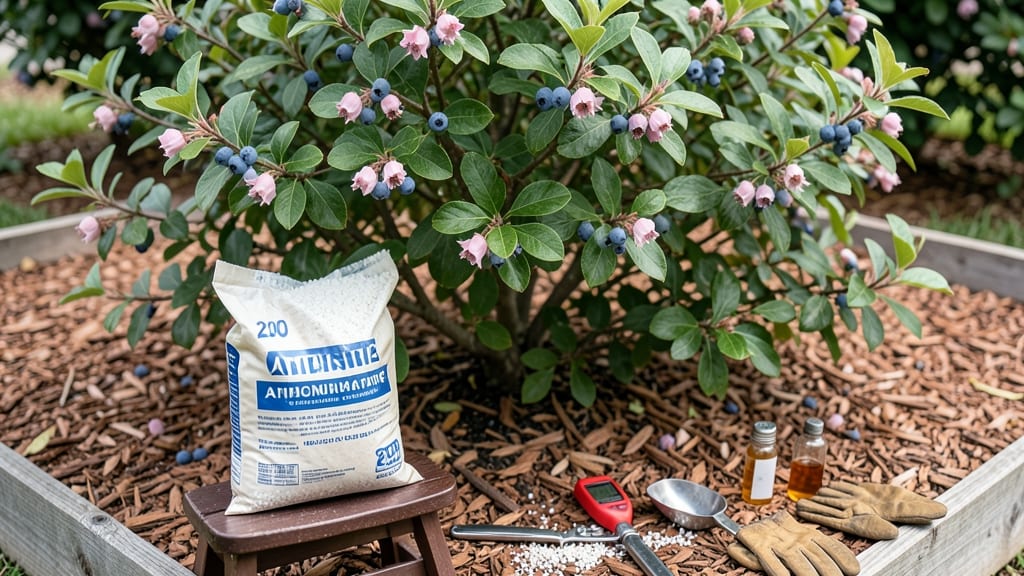
Timing your blueberry fertilization in Florida isn't just about throwing down fertilizer—it's about unlocking sweeter harvests and healthier bushes year after year. The state's unique climate means traditional schedules won't cut it, and getting it wrong could leave your plants struggling to thrive.
Whether you're a backyard gardener or a small-scale grower, knowing the two critical windows for feeding makes all the difference.
Most gardeners focus on spring, but Florida's warm winters and sandy soil demand a different approach. I'll show you exactly when to fertilize—from early spring to fall—and how to adjust for your specific region. Skip the guesswork and learn the science-backed timing that keeps your blueberries flourishing, not just surviving.
Ready to transform your blueberry patch? We'll cover everything from soil prep to choosing the right fertilizer, so you can avoid common mistakes that waste time and money. Let's get your bushes growing strong and your harvests bursting with flavor.
The secret isn't complicated, but it does require precision. With the right timing, you'll see faster growth, better fruit set, and plants that handle Florida's heat like pros. Let's dive in.

Optimal fertilization schedule for Florida blueberries: early spring & fall timing explained
Blueberries thrive in Florida’s warm climate, but their acid-loving roots and sandy soil need precise fertilization timing to avoid nutrient loss and maximize fruit production. Unlike cooler climates, Florida’s frost-free growing season shifts fertilization windows to early spring and late fall—when roots are active but humidity is lower.
In North Florida (Zones 8a-8b), start fertilizing in late February to early March as temperatures rise above 60°F. For Central/South Florida (Zones 9a-10a), begin in January to February when daytime highs consistently hit 70°F. These timing adjustments prevent nutrient leaching during Florida’s frequent summer rains.
Blueberries need three key nutrients: nitrogen for leaf growth, phosphorus for root development, and potassium for fruit production. A balanced acid-loving fertilizer (like 8-3-9 or 10-5-5 with sulfur) is ideal. Organic options such as cottonseed meal or peanut hulls also work well for Florida’s sandy soils.
Apply fertilizer 2-3 weeks after planting in early spring, then again 6-8 weeks later to support flowering. In late summer (August-September), a light feeding prepares bushes for fall harvests. Avoid fertilizing in winter or during drought—this stresses plants and encourages fungal growth.
| Fertilization Stage | Best Time (Florida) | Fertilizer Type | Key Goal |
|---|---|---|---|
| Early Spring (Post-Dormancy) | Late Feb - Early Mar (North FL) Jan - Feb (Central/South FL) |
Acid-loving blend (8-3-9) OR Cottonseed meal (organic) |
Stimulate new growth |
| Mid-Spring (Flowering) | April - May | High phosphorus (10-5-5) OR Peanut hulls |
Support bloom & fruit set |
| Late Summer (Fall Prep) | August - September | Light NPK (5-5-5) OR Compost tea |
Boost fall harvest vigor |
| Winter (Dormant) | October - January | None (unless soil test shows deficiency) | Avoid winter feeding |
For container-grown blueberries, fertilize every 4-6 weeks from spring to fall using a water-soluble acid fertilizer. Containers dry out faster, so monitor soil moisture—over-fertilizing can burn roots in sandy mixes. Always water deeply after fertilizing to help nutrients penetrate Florida’s loose soil.
Test your soil’s pH (4.5-5.5 ideal) before fertilizing—Florida’s alkaline soils often need sulfur or peat moss to acidify. Use a DIY pH test kit (vinegar + baking soda) or send a sample to your local UF/IFAS Extension office for precise readings. Adjust pH 6-8 weeks before your planned fertilization window.
In Central Florida’s wetter zones, reduce spring fertilization by 25% to prevent nutrient runoff during heavy rains. Instead, focus on organic matter like pine bark fines or composted leaves to improve soil retention. Mulch with pine straw to maintain acidity and reduce water evaporation.
Watch for yellowing leaves or small berries—these signal nutrient deficiencies. If leaves turn yellow with green veins, you likely need more iron or manganese. For stunted growth, a nitrogen boost (like blood meal) in early spring can help.
Always follow package rates to avoid fertilizer burn, especially in Florida’s intense sun.
Timing your blueberry fertilization to Florida’s growing cycles ensures stronger plants, larger yields, and fewer pests. By sticking to early spring and late summer feedings—and avoiding winter applications—you’ll give your bushes the nutrient support they need without wasting resources.
Optimal fertilization schedule for Florida blueberries: early spring & fall timing explained
Blueberries thrive in Florida’s warm climate, but their acid-loving roots and sandy soil require precise fertilization timing. The two most critical windows are early spring and fall, aligning with their natural growth cycles. Skipping these periods can lead to poor fruit set or stunted bushes.
In North Florida (Zones 8a-8b), start fertilizing in late February to early March when soil temperatures rise above 60°F. For Central/South Florida (Zones 9a-11), begin in January to February—just as new growth emerges.
Both regions benefit from a second application in late summer or early fall to prepare bushes for winter dormancy.
📋 Fertilization Timeline for Florida Blueberries
| Stage | Action | Fertilizer Type | Notes |
|---|---|---|---|
| Early Spring (Feb-Mar) | Apply balanced acid fertilizer (e.g., 10-10-10 or 8-3-9) | Slow-release granules | Spread 1 lb per 100 sq ft |
| Summer (June-July) | Light potassium boost (e.g., 0-0-50) | Liquid or granular | Avoid nitrogen overload |
| Fall (Sept-Oct) | Apply organic matter (e.g., peat moss or pine bark) | Slow-release compost | Prevents winter stress |
For organic growers, use composted pine needles or cottonseed meal in early spring, followed by fish emulsion during summer. Always water deeply after applying fertilizer to prevent root burn—Florida’s sandy soil drains quickly, so split doses over 2-3 weeks for best results.
Monitor your bushes for yellowing leaves (nitrogen deficiency) or small fruit (phosphorus lack). Adjust your schedule if you notice these signs—blueberries are sensitive to over-fertilization, which can reduce fruit quality. In Central Florida, where summers are intense, reduce nitrogen in August to encourage dormancy.
Pro tip: Mix sulfur into your soil annually to maintain acidic pH (4.5-5.5). Florida’s native soils often test alkaline, so this step is non-negotiable. Test your soil every 2-3 years to track pH changes—blueberries won’t thrive without it.