
Planting
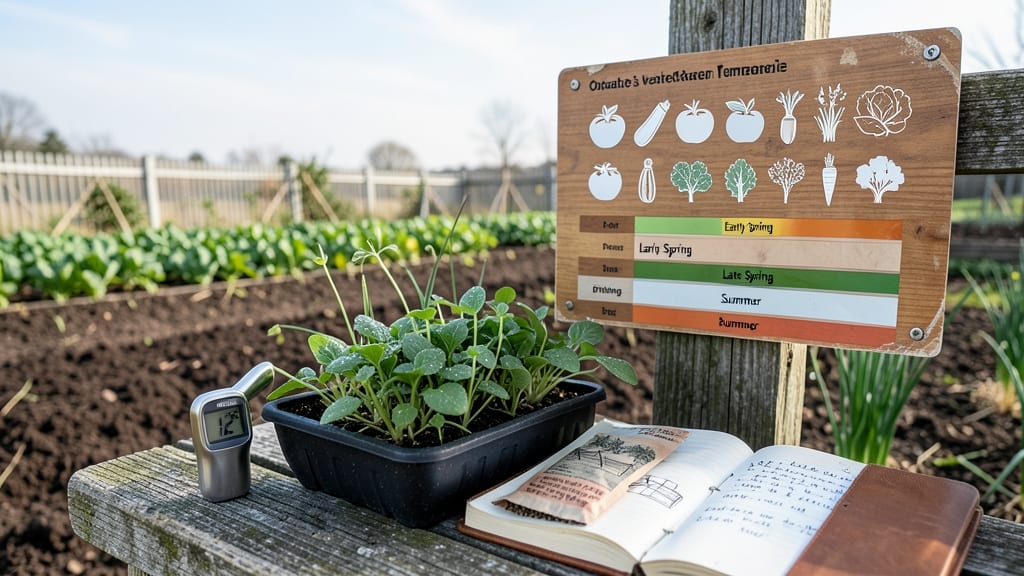
When to plant a vegetable garden in Ontario can feel like a high-stakes game of chance—get it wrong, and frost will ruin your hard work before you even see a sprout.
The key to success lies in knowing your zone's last frost dates, which vary dramatically from southern Ontario's mild winters to the colder highlands further north.
Whether you're a first-time gardener in Toronto or a seasoned grower in Ottawa, understanding these windows is your first step to a thriving 🌱 vegetable garden.
I'll walk you through the exact planting timelines for cool-season crops like spinach and warm-season favorites such as tomatoes, so you can avoid common mistakes that leave gardens struggling.
With Ontario's unpredictable weather, even experienced gardeners need to adjust their strategies. We'll cover how to extend your growing season with row covers and cold frames, ensuring you can enjoy fresh produce from early spring right through to fall. Let's get your garden off to the best possible start.
Ready to transform your backyard into a productive harvest zone? The right timing makes all the difference—and I've got the zone-specific details you need to succeed. Let's dive in.
Ontario’s last frost dates by gardening Zone: exact planting timelines
Ontario spans USDA hardiness zones 3 to 7, with frost dates varying dramatically from south to north. The last spring frost typically arrives between mid-April and late May, while the first fall frost hits anywhere from mid-September to early November.
These dates determine whether you’re growing cool-season crops like spinach or warm-season favorites like tomatoes.
For Zone 3 (northern Ontario), the average last frost is May 20-30, leaving just 120-140 frost-free days—perfect for fast-maturing varieties. Meanwhile, Zone 7 (southern Ontario) enjoys a 180-day growing season, with last frosts around May 5-15 and first frosts in October 15-30.
Knowing your zone’s specifics is critical for timing.
Here’s a zone-specific planting guide for Ontario’s most popular vegetables, including cool-season starters and warm-season workhorses:
| Zone | Last Frost Date | Cool-Season Crops (Plant After Frost) | Warm-Season Crops (Plant After Soil Warms) | First Frost Date |
|---|---|---|---|---|
| Zone 3 (North) | May 20-30 | Peas (early May), Lettuce (late May), Spinach (early June) | Tomatoes (late June), Peppers (July), Bush Beans (early June) | September 15-October 5 |
| Zone 4 (Central) | May 10-20 | Radishes (early April), Kale (late April), Carrots (early May) | Cucumbers (late May), Zucchini (early June), Eggplant (June) | October 5-15 |
| Zone 5 (South-Central) | May 1-10 | Broccoli (early April), Cabbage (late April), Onions (early May) | Tomatoes (early May), Peppers (late May), Basil (June) | October 15-25 |
| Zone 6-7 (Southwest) | April 20-May 5 | Spinach (early March), Peas (late March), Lettuce (early April) | Tomatoes (early April), Peppers (April), Cucumbers (late April) | October 25-November 5 |
Adjust dates 1-2 weeks earlier for urban areas (heat islands) or later for highland regions.
For cool-season crops, start seeds indoors 4-6 weeks before your last frost date to give them a head start.
For example, in Zone 4, sow lettuce seeds indoors March 15 and transplant after May 10. Warm-season crops like tomatoes and peppers need soil temperatures above 10°C (50°F), so wait until late May in Zone 3 or early April in Zone 7.
Use row covers or cold frames to extend your season by 2-4 weeks in spring or fall. For instance, planting spinach under row covers in Zone 5 can push harvests into early December. Always check Environment Canada’s frost forecasts for real-time adjustments—unpredictable weather is Ontario’s biggest gardening challenge.
Succession planting is another game-changer for Ontario gardens. Sow bush beans every 2 weeks from June to July in Zone 6 to ensure a steady harvest before the first frost. Similarly, lettuce and radishes can be replanted every 3-4 weeks from May to August for continuous yields.
If you’re in a highland area (e.g., Muskoka or Algonquin), expect later last frosts and earlier first frosts than lowland regions. Add 10-14 days to the frost dates listed above.
Conversely, urban heat islands (like Toronto or Ottawa) may see earlier last frosts by 1-2 weeks—monitor local weather stations for accuracy.
Pro tip: Plant cold-hardy crops like kale and spinach in late summer (August) for a fall harvest. These thrive in cooler weather and can often survive until December with proper mulching. Pair them with garlic or onions, which also benefit from a long growing season.
For warm-season crops, prioritize fast-maturing varieties like ‘Early Girl’ tomatoes (55 days) or ‘Bush Blue Lake’ beans (50 days). These give you the best chance of harvest before Ontario’s early frosts. Always check seed packets for days to maturity and count backward from your first frost date.
Heat-tolerant vegetables for Ontario’s short growing season: best varieties to maximize yields
Ontario’s growing season is short but intense, with quick-maturing and heat-resistant vegetables being your best allies. The key is choosing varieties that thrive in warm temperatures and can handle our unpredictable late frosts and early heatwaves. These plants won’t just survive—they’ll flourish and give you a longer harvest window.
For fast harvests, prioritize vegetables that mature in 50-60 days, like bush beans and radishes. These can be planted early in the season or even as succession crops every 2-3 weeks. Meanwhile, heat-tolerant varieties like zucchini and Swiss chard can handle Ontario’s summer heat without bolting or wilting.
Here are my top picks for heat-tolerant vegetables that perform exceptionally well in Ontario’s climate, along with tips to maximize your yield:
🌱 Top 5 Heat-Tolerant Vegetables for Ontario
- 1. Bush Beans – Matures in 50-60 days, thrives in 80°F+ heat, and resists common pests. Plant after last frost in well-draining soil.
- 2. Zucchini – Fast-growing (45-55 days), produces abundantly in heat, and can be harvested continuously. Choose compact varieties like 'Eight Ball' for small spaces.
- 3. Swiss Chard – Heat-resistant (50-60 days), tolerates drought, and keeps producing even when other greens bolt. Harvest outer leaves to encourage regrowth.
- 4. Heat-Tolerant Tomatoes – Varieties like 'Solar Fire' or 'Heatmaster' mature in 60-70 days and handle Ontario’s summer heat better than traditional types.
- 5. Okra – A drought-tolerant powerhouse that thrives in 90°F+ temperatures. Plant after last frost for a late-season harvest.
To extend your growing season, use row covers or cold frames to protect tender plants from unexpected late frosts. For example, planting basil or cucumbers under a lightweight cover can buy you an extra 2-3 weeks of growth before the first frost.
Succession planting is another game-changer. Instead of planting all your lettuce or radishes at once, sow small batches every 2 weeks. This ensures a steady supply of fresh produce and minimizes waste.
For instance, if you plant 50 radish seeds every 14 days, you’ll have a continuous harvest from June through September.
Finally, don’t overlook soil preparation. Amend your garden beds with compost and organic matter to improve drainage and retain moisture during Ontario’s hot, dry spells.
Mulch around plants to keep roots cool and reduce water evaporation. With these strategies, you’ll turn Ontario’s short growing season into a high-yielding harvest! 🌿