
Plants
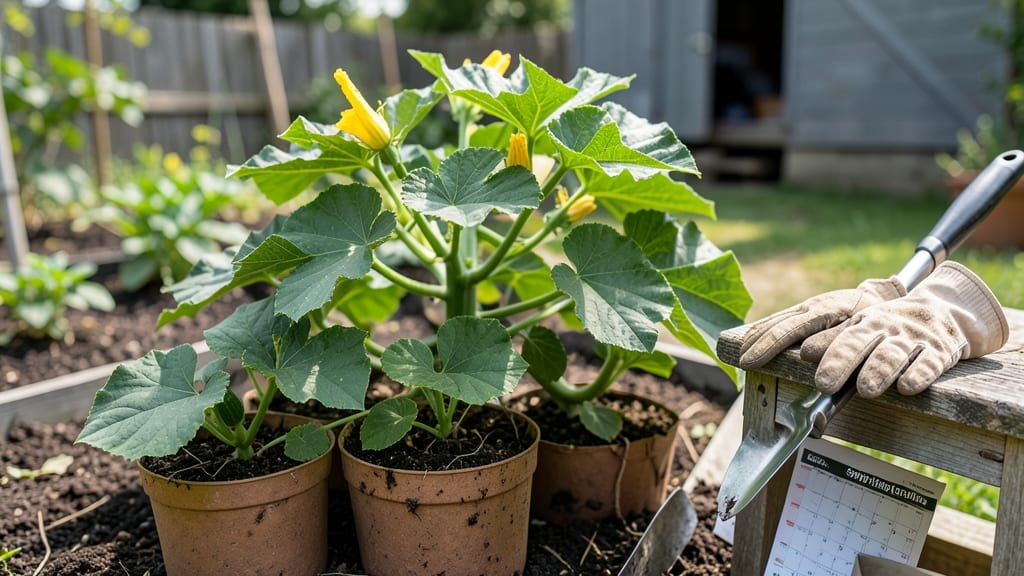
Timing your zucchini 🎃 planting just right in Illinois could mean the difference between a bumper crop and wasted effort. The right window depends on your county's last frost date, and getting it wrong risks stunted plants or lost harvests.
Most Illinois gardeners know zucchini thrives in warm soil, but many still plant too early when temperatures dip below 60°F. I'll show you exactly when to start seeds indoors or set out transplants for your specific region, so you can enjoy fresh zucchini from July through September.
We'll cover everything from soil prep to extending your harvest season with smart planting strategies. Whether you're a first-time gardener or a seasoned pro, these tips will help you maximize your zucchini yields without the guesswork.
Ready to grow more zucchini than you know what to do with? Let's dive into the perfect planting schedule tailored for Illinois' 5b-6b climate and get your garden thriving this spring.
Illinois last frost dates by region: best zucchini planting windows
Zucchini thrives in warm soil and long summer days, but Illinois’ frost dates vary dramatically from north to south. Planting too early risks frost damage, while waiting too late cuts your harvest window.
Let’s break down the ideal planting windows by region to ensure your zucchini plants get a strong start.
First, check your USDA hardiness zone (Illinois ranges from 5b to 6b). Northern Illinois (Zones 5a-5b) has later frost dates, while Southern Illinois (Zone 6a) enjoys an extra 2-3 weeks of growing time.
Always wait until the soil temperature reaches at least 60°F—a soil thermometer is your best friend here.
Northern Illinois (Zones 5a-5b): Counties like Cook, Lake, and Kane typically see their last frost around May 1. For zucchini, aim to plant after May 15 to avoid frost damage. If you’re using transplants, start them indoors in mid-April for a mid-May move outdoors.
Central Illinois (Zones 5b-6a): Areas like Champaign, Springfield, and Peoria have last frosts around April 20-May 1. This gives you a 2-week head start over Northern Illinois. Direct sow seeds after May 1 or transplant after May 15 for peak yields.
Southern Illinois (Zone 6a): Counties such as St. Clair, Madison, and Jackson can plant zucchini as early as April 15 in ideal conditions. With last frosts around April 10, you can even experiment with early starts using row covers for extra protection.
| Region | Last Frost Date | Best Planting Window | Soil Temp Requirement |
|---|---|---|---|
| Northern (Zones 5a-5b) | May 1 | After May 15 | 60°F+ |
| Central (Zones 5b-6a) | April 20-May 1 | After May 1 | 60°F+ |
| Southern (Zone 6a) | April 10 | After April 15 | 60°F+ |
🌱 Pro Tip: Use a soil thermometer to confirm readiness—60°F+ is non-negotiable for zucchini germination.
For extended harvests, consider planting two batches of seeds: one in early May (Northern/Central) or mid-April (Southern), and another in late May. This staggered approach ensures continuous production from July through September.
If you’re starting transplants indoors, begin seeds 4-6 weeks before your last frost date. Use biodegradable pots to avoid root disturbance when transplanting. Harden off seedlings for 7-10 days before moving them outdoors to prevent transplant shock.
Zucchini plants love warmth and hate cold snaps. Even after planting, keep an eye on 10-day forecasts. If frost is predicted, cover plants with row fabric or a lightweight blanket. Young plants are especially vulnerable, so protect them at all costs.
Remember, zucchini grows fastest in full sun (6-8+ hours daily) and well-draining soil. Amend your garden bed with compost or aged manure before planting to ensure nutrient-rich soil. A pH of 6.0-7.0 is ideal—test your soil if you’re unsure.
By aligning your planting schedule with your local frost dates and soil conditions, you’ll set your zucchini up for a bountiful harvest. Next, we’ll dive into a step-by-step planting schedule to maximize your garden’s potential. 🌱
Step-by-step zucchini planting schedule for Illinois gardens
Now that you know your last frost date, let’s dive into the exact steps to plant zucchini in Illinois for a bountiful harvest. Whether you’re direct sowing seeds or using transplants, timing and preparation are key to success.
Start by testing your soil temperature—zucchini seeds won’t sprout until the soil reaches at least 60°F. Use a soil thermometer to check, especially in Northern Illinois, where cooler springs delay planting.
🌱 Step 1: Prep Your Soil Amend your garden bed with compost or aged manure to enrich the soil. Zucchini thrives in well-draining soil with a pH of 6.0–7.0. Work in a balanced fertilizer (10-10-10) to give your plants a nutrient boost.
📅 Step 2: Planting Timeline For direct sowing, plant seeds 1–2 inches deep and 2–3 feet apart in rows spaced 3–4 feet apart. In Central and Southern Illinois, you can start as early as mid-April, while Northern Illinois gardeners should wait until late May.
📋 Step-by-Step Planting Guide
- 🌱 Week 1-2: Prep soil with compost and fertilizer. Test soil temperature (must be 60°F+).
- 🌱 Week 3: Direct sow seeds 1–2 inches deep, spacing 2–3 feet apart.
- 🌱 Week 4-6: Thin seedlings to 1 plant per hill, spacing hills 3–4 feet apart.
- 🌱 Week 7-8: Mulch with straw to retain moisture and suppress weeds.
- 🌱 Week 9+: Monitor for pests (squash bugs, cucumber beetles) and water deeply every 2–3 days.
If you prefer transplants, buy 6-week-old seedlings from a nursery and transplant them after the last frost. Harden off seedlings by exposing them to outdoor conditions for 5–7 days before planting to reduce shock.
Pro tip: Plant basil or marigolds nearby to deter pests and improve flavor. These companion plants create a natural barrier against squash bugs and cucumber beetles, which love zucchini leaves.
Once planted, keep the soil consistently moist—zucchini plants need 1–2 inches of water weekly. Water at the base of the plant in the morning to prevent fungal diseases like powdery mildew.