
Trees
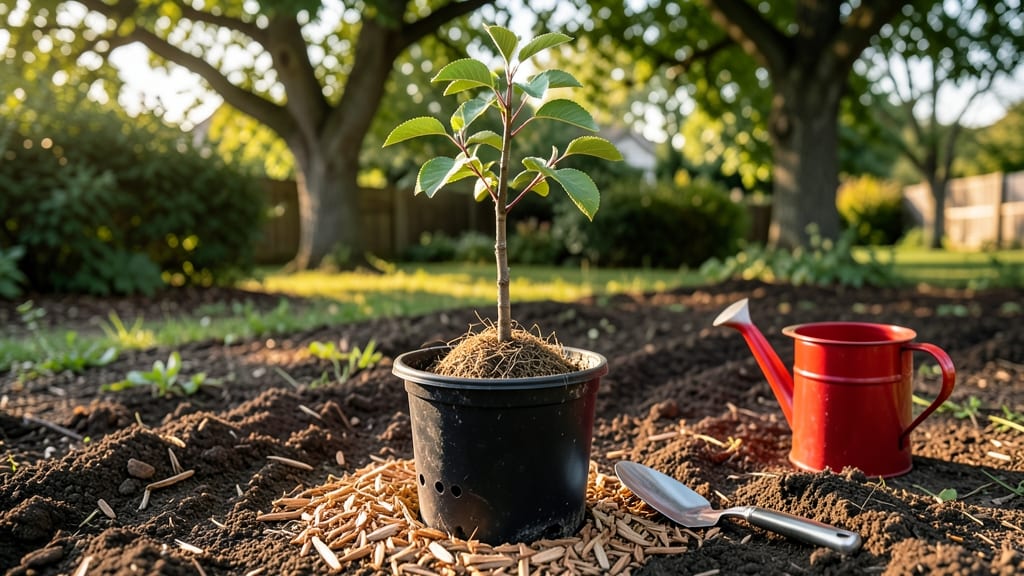
Planting an apple tree 🍎 in Alabama isn’t just about picking a date—it’s about beating the clock on frost, soil warmth, and humidity.
The perfect window (late winter to early spring) makes all the difference between a thriving orchard and a struggling sapling, especially in zones 7b-8b where temperatures swing wildly.
You might think "spring" means March, but Alabama’s microclimates—from the cooler North to the steamy South—demand precision. Plant too early, and roots freeze; too late, and summer heat stresses young trees.
I’ll break down the exact deadlines for three key regions, so you know when to dig in for maximum root growth and harvest success.
This isn’t just about sticking a tree in the ground—it’s about soil prep, rootstock choices, and post-planting care tailored to Alabama’s sticky, nutrient-rich dirt. Whether you’re in Huntsville’s cooler hills or Birmingham’s urban heat, these tips will help your apple tree 🍎 take root like a pro.
Ready to grow fruit that’ll make your neighbors jealous? Let’s get into the step-by-step timing that’ll set your tree up for years of bountiful harvests—no guesswork, just results.
Alabama’s 3 planting zones and their exact deadlines for apple trees
Alabama’s climate varies dramatically from its cooler northern regions to its warmer southern areas, creating distinct planting windows for apple trees. Understanding your USDA zone and last frost date is critical—planting too early risks frost damage, while waiting too long delays root establishment.
Let’s break down the three key zones and their precise deadlines.
In North Alabama (USDA Zone 7b), where frost lingers until mid-April, your planting window opens in late February. The goal is to get roots established before the last spring frost, typically around March 15.
For Central Alabama (Zone 8a), frost arrives later, so you can plant as late as early April, with soil temperatures reaching 50°F by late March.
Southern Alabama (Zone 8b) has the latest frost dates, allowing planting until mid-April. However, extreme heat in May can stress young trees, so aim for early April when soil is workable and temperatures stabilize. Always check your local frost data—Alabama’s microclimates can shift deadlines by weeks.
| Zone & Location | Planting Window | Last Frost Date | Soil Temp Trigger | Key Risk |
|---|---|---|---|---|
| North Alabama (Zone 7b) | Late Feb - Mid-Mar | Mid-April | 45°F+ for 5+ days | Late frost damage |
| Central Alabama (Zone 8a) | Late Mar - Early Apr | Early April | 50°F+ for 7+ days | Heat stress if planted late |
| South Alabama (Zone 8b) | Early Apr - Mid-Apr | Late March | 55°F+ for 10+ days | Summer drought stress |
For all zones, prioritize bare-root trees in late winter—they establish roots faster than container-grown varieties. In North Alabama, focus on cold-hardy varieties like Jonathan or Golden Delicious, while South Alabama gardeners should opt for heat-tolerant types such as Anna or Dorsett Golden.
Soil prep is equally critical: amending with compost and ensuring well-draining soil prevents root rot in Alabama’s humid climate.
Pro tip: Use a soil thermometer to confirm soil temps—roots struggle below 45°F. In Central Alabama, where frost dates vary by 10 days between cities like Birmingham and Montgomery, err on the earlier side. Planting in early April gives roots 8-10 weeks to establish before summer heat arrives.
Alabama’s humid subtropical climate demands extra attention to mulching—apply 3-4 inches of organic mulch around the base to retain moisture and regulate soil temperature. In South Alabama, where summer heat can exceed 90°F, mulch acts as insulation, protecting shallow roots.
Avoid planting in low-lying areas where cold air pools, increasing frost risk.
If you miss the spring window, fall planting is possible in North Alabama (late October) but risky in southern regions due to hurricane season. Container-grown trees adapt better to fall planting but require extra winter protection like burlap wraps.
For most Alabama gardeners, February-March remains the safest bet for strong root growth and fruit-bearing success.
Remember: Alabama’s short growing season (about 210 frost-free days) means timing is everything. Plant too late, and your tree may not bear fruit for 2-3 years. By following these zone-specific deadlines, you’ll give your apple tree the best chance to thrive in Alabama’s challenging climate. 🍏
Microclimate factors that shift planting timing in Alabama
Alabama’s climate isn’t one-size-fits-all—your backyard’s microclimate can shift ideal apple tree planting by 2-4 weeks. Urban heat islands in Birmingham or Huntsville can push soil temperatures up 5-10°F warmer than rural areas, while mountain slopes in North Alabama stay cooler longer.
These variations mean your neighbor’s perfect timing might not work for you.
Elevation changes everything: Every 1,000 feet up delays spring by about 1 week. If you’re in DeKalb County (1,000+ ft elevation), aim for late March planting, while Mobile or Montgomery gardeners should plant by mid-February.
Proximity to water—like lakes or rivers—also matters, as moisture retains heat, warming soil faster in spring.
🌿
🔍 Microclimate Adjustments for Alabama Apple Planting
Plant 2-3 weeks earlier (warmer microclimates)
Delay by 1-2 weeks (cooler soil)
Plant 1 week earlier (soil warms faster)
Avoid planting—apple trees need full sun
Pro Tip: Use a soil thermometer ($10 at garden centers) to confirm 45°F soil temps—the sweet spot for root growth in Alabama.
Your yard’s aspect (direction it faces) also plays a role. South-facing slopes get sunlight all day, warming soil 2 weeks earlier than north-facing areas. If your planting spot faces north, wait until mid-March—even in Central Alabama—to avoid frost damage to tender new roots.
Don’t overlook wind exposure. Open fields dry out faster, so water newly planted trees 20% more if exposed to wind. In contrast, sheltered yards retain moisture longer, reducing early watering needs.
Test your spot: If leaves on nearby plants curl or crisp in summer, your apple tree will need extra care.
For container-grown apple trees (potted), timing shifts again. These adapt better to late spring planting (April) since their roots aren’t as sensitive to cold. However, they’ll need consistent afternoon shade in South Alabama’s heat until established.
Harden off potted trees by moving them outdoors for 2-3 hours daily starting in February.
🌳