
Plants
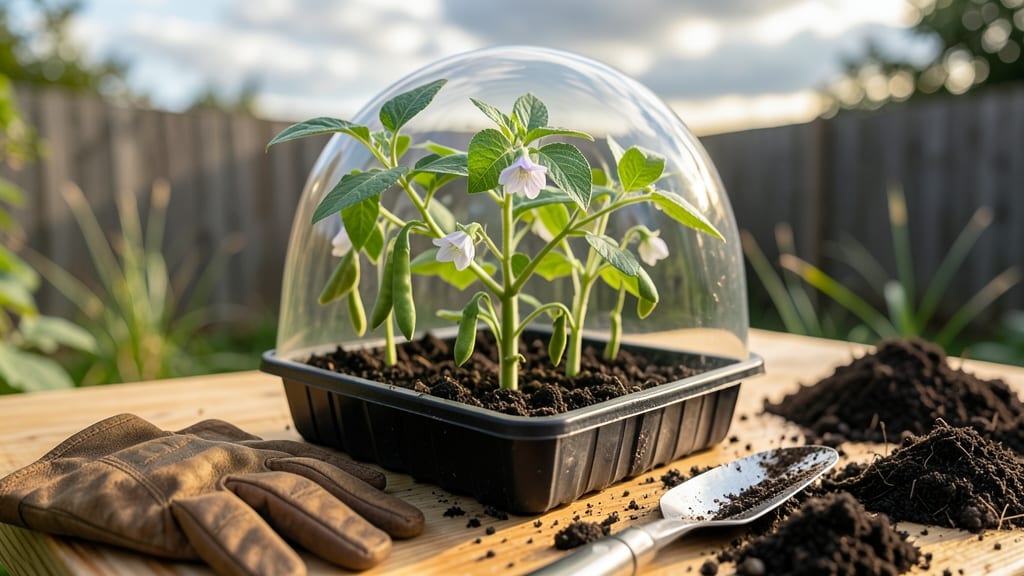
Timing your bean planting in Zone 8 could mean the difference between a garden full of 🌱 thriving plants and seeds that never sprout. The key isn't just waiting for spring—it's understanding when your soil actually warms up to the perfect temperature for fast germination.
Most gardeners in Zone 8 make one common mistake: planting too early when the soil is still cool. Beans need warm soil—at least 60°F—to germinate properly, and waiting for that warmth makes all the difference in your harvest. Let's break down exactly when to plant for the best results.
You'll discover the ideal planting windows for both spring and fall, plus how to extend your growing season for multiple harvests. Whether you're planting bush beans or pole varieties, these timing tips will help you avoid common pitfalls and get your beans off to a fast start.
Ready to grow a garden full of beans? I'll walk you through the exact steps to time your planting perfectly, so you can enjoy fresh pods from your garden all season long. Let's get those seeds in the ground at the right moment!
Optimal soil temperature ranges for planting beans in Zone 8
Beans are finicky about soil temperature, and planting them too early in Zone 8 can leave your seeds sitting in cold, damp soil for weeks—leading to rot or slow germination.
The key to success is waiting until the soil consistently reaches 60°F (15.5°C), which is when most bean varieties finally sprout reliably. This typically aligns with late February to early March for spring plantings, but timing varies by microclimate within Zone 8.
Not all beans have the same temperature requirements. Bush beans (like 'Blue Lake' or 'Contender') are the most cold-tolerant, germinating as low as 50°F (10°C), but they still grow best when soil warms above 65°F (18°C). Pole beans (such as 'Kentucky Wonder' or 'Rattlesnake') need slightly warmer soil—65°F (18°C) or higher—to thrive.
Meanwhile, heirloom or specialty varieties (like 'Scarlet Runner') often demand even warmer conditions, sometimes up to 70°F (21°C).
Testing your soil temperature is easier than you think. Use a soil thermometer (available for under $10) to check the temperature 1 inch below the surface—this is where seeds will be planted.
If your soil is still below 60°F, wait another week to ten days before replanting. Morning is the best time to test, as afternoon sun can skew readings higher.
If you're eager to start early, consider warming your soil with black plastic mulch laid down a few days before planting. This can raise soil temperatures by 5-10°F, helping beans germinate faster. Just remove the mulch once seeds sprout to avoid overheating.
| Bean Type | Ideal Soil Temp (°F) | Germination Time | Zone 8 Planting Window |
|---|---|---|---|
| Bush Beans | 60-65°F (15.5-18°C) | 7-14 days | Late Feb - Early April |
| Pole Beans | 65-70°F (18-21°C) | 10-14 days | Mid-March - Early May |
| Heirloom/Specialty | 70-75°F (21-24°C) | 14-21 days | Late March - Early June |
🌱 Note: Soil temps below 50°F can cause seed rot; above 85°F may slow germination.
Once your soil hits the right temperature, plant seeds 1 inch deep and 2-3 inches apart.
For bush beans, space rows 18-24 inches apart, while pole beans need 4-6 inches between seeds and 3-4 feet between rows to support their vines. Thin seedlings to the recommended spacing once they’re 2-3 inches tall to avoid competition.
If you’re planting in late summer or fall for a second harvest, aim for soil temps between 60-70°F again, typically August to early September. This gives beans enough time to mature before the first frost, usually around mid-November in Zone 8.
Just be sure to use frost-tolerant varieties like 'Provider' or 'Tendercrop' for cooler fall conditions.
Pro tip: Keep a gardening journal to track soil temperatures and planting dates. Over time, you’ll spot patterns in your microclimate—like how a south-facing bed warms up faster than a north-facing one—and fine-tune your planting schedule for faster, more reliable germination every year.
Remember, beans are warm-season crops, so rushing them into cold soil is a common mistake. Patience pays off with stronger plants, higher yields, and fewer pests—because healthy beans attract fewer bean beetles and other critters. 🌱
Optimal soil temperature ranges for planting beans in Zone 8
Beans are warm-season crops that thrive when soil temperatures consistently reach 60°F or higher. In Zone 8, this means waiting until late winter or early spring for spring plantings, or late summer for fall harvests.
The key is soil warmth, not air temperature—beans won’t germinate well if the ground is still cool.
Most bush beans and pole beans prefer soil temperatures between 60°F and 90°F for optimal germination and growth. If your soil is cooler than 60°F, seeds may rot in the ground or take weeks to sprout.
Use a soil thermometer (available for under $10) to check depth at 2 inches, where seeds are planted.
🌱 Bean Variety Soil Temperature Guide
| Variety | Ideal Soil Temp (°F) | Germination Time | Notes |
|---|---|---|---|
| Bush Beans (e.g., Blue Lake, Roma) | 60-75°F | 5-10 days | Best for cooler Zone 8 springs |
| Pole Beans (e.g., Kentucky Wonder, Scarlet Runner) | 65-85°F | 7-14 days | Need warmer soil; slower to start |
| Runner Beans (e.g., Purple Valentine) | 70-85°F | 10-14 days | Heat-tolerant; great for late summer |
| Dwarf Beans (e.g., Contender, Blue Lake) | 60-70°F | 5-7 days | Fastest germinators; ideal for succession planting |
In Zone 8, soil temperatures typically hit 60°F by mid-March in most areas, but this varies by microclimate. Coastal regions may warm earlier, while inland areas could need to wait until April.
For fall plantings, aim for late August to early September when soil temps drop below 85°F—beans struggle in extreme heat.
Pro tip: Black plastic mulch can raise soil temperatures by 5-10°F in just days, accelerating germination. Lay it down 1-2 weeks before planting to warm the soil faster. Alternatively, use clear plastic tunnels over seed beds for a 10°F boost without extra work.
If your soil is too cold (below 60°F), try seed soaking in warm water for 4-6 hours before planting. This jumpstarts germination even in marginal conditions. Just avoid soaking longer than 12 hours, or seeds may rot.
Remember: Consistent warmth is more important than peak temperatures. Beans will grow faster in 70-80°F soil than in 90°F+ soil, which can cause stress. Monitor your garden closely in Zone 8’s unpredictable spring—a late frost can delay planting by weeks.