
Plants
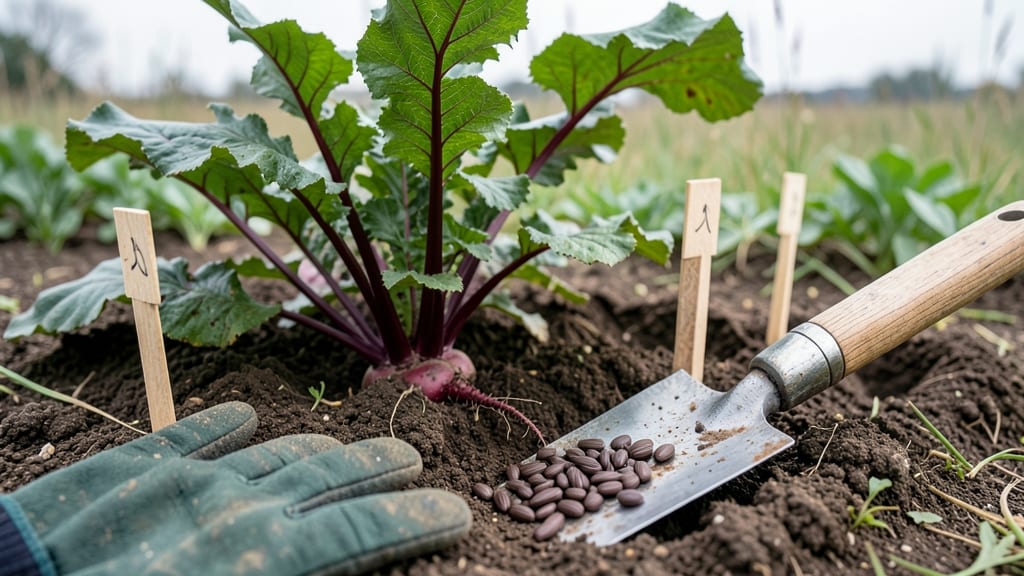
Timing your beet planting in Kentucky can mean the difference between sweet, tender roots and bitter, woody messes—especially in zones 6a-7a where frosts linger unpredictably. The perfect window isn’t just about months; it’s about soil temperatures, frost dates, and even whether you’re growing in containers or garden beds.
Most gardeners in Kentucky plant 🍠 beets twice a year—once in early spring (March-April) and again in late summer (August-September)—but getting the timing wrong can lead to bolting greens or stunted roots.
I’ll show you how to align your planting with Kentucky’s 180 frost-free days, so you can harvest juicy beets from June through November without the guesswork.
Whether you’re a first-timer or a seasoned gardener, knowing when to start seeds indoors, when to direct-sow, and how to adjust for Kentucky’s unpredictable weather is the key to success. Let’s break down the exact calendar—and why succession planting might be your secret weapon for a steady harvest.
From choosing the right varieties for your zone to handling late frosts or heatwaves, you’ll learn how to make every planting window work for you. Ready to grow beets that rival the ones at the farmers’ market?
Kentucky’s ideal beet planting calendar by Zone 6 and 7
Kentucky’s USDA Zones 6-7 offer two prime windows for planting beets: early spring and late summer. Timing is critical—plant too early, and frost will kill seedlings; too late, and heat causes bolting (premature flowering). The key is soil temperatures above 50°F and frost-free conditions.
For Zone 6 (e.g., Lexington), aim for March 15–April 15 in spring and August 1–September 15 for fall. In Zone 7 (e.g., Louisville), extend spring planting to April 1–May 1 and fall to August 15–October 1. Rural areas may have 1–2 weeks earlier last frosts.
Soil temperature is your best guide. Use a soil thermometer to confirm 50°F+ at 2-inch depth before sowing. In Kentucky, this typically aligns with mid-March to early April for spring and early August for fall.
Beets thrive in cool weather (60–70°F) but struggle in heat above 80°F. Fall plantings should be timed to harvest before first frost (mid-October in Zone 6, early November in Zone 7).
For baby beets or greens, you can plant 2–3 weeks later than the main schedule. These varieties tolerate slightly warmer soil (up to 65°F) and mature faster (45–50 days). Example: Sow ‘Cylindra’ (a cylindrical beet) in late April for a summer harvest.
Container growers in Kentucky should start seeds 4–6 weeks earlier indoors or in a greenhouse. Move pots outdoors only after nighttime temps stay above 45°F. Containers warm up faster, so monitor soil temps closely—55°F+ is ideal for germination.
Pro tip: Use black plastic mulch in spring to warm soil faster. In fall, straw mulch retains heat longer, extending the harvest window by 2–3 weeks. Both tricks help Kentucky gardeners push the limits of their short growing season.
Remember: Beets are hardy but slow to germinate in cold soil. If sowing in March, consider seedling trays under row covers for a head start. This is especially useful in Zone 6, where late frosts are common.
For a continuous harvest, stagger plantings every 2–3 weeks in spring and 3–4 weeks in fall. This ensures fresh beets from June through October—just in time for Kentucky’s farmers' markets and holiday meals.
How to adjust planting for Kentucky’s unpredictable weather patterns
Kentucky’s unpredictable spring frosts and sweltering summer heat demand flexibility in your beet planting strategy. Unlike steady climates, here you’ll need to time sowings carefully and use protective tools to safeguard tender seedlings. I’ve learned the hard way—skipping these adjustments can mean bolted greens or woody roots by harvest time.
The key is succession planting every 2-3 weeks from late March through early May. This staggered approach ensures a continuous harvest while minimizing losses from late frosts.
For example, if your last frost date slips to May 10 (common in rural areas), your final spring planting should go in by April 20 to avoid heat stress before maturity.
🚨 Callout Warning ⬇️
⚠️ 3 Critical Days to Avoid Planting Beets in Kentucky
- May 15-31: Soil temps often exceed 80°F, causing seeds to rot before sprouting.
- June 1-15: Beets planted now will bolt before reaching harvest size due to long daylight.
- September 15+: Roots won’t mature before first frost (typically mid-October).
Pro Tip: Use a soil thermometer—beets need 50°F+ soil to germinate reliably.
For late spring or early fall plantings, I swear by floating row covers to protect seedlings from 28°F+ frosts. These lightweight fabrics (like Reemay) raise soil temps by 5-8°F while allowing sunlight through.
Remove them when plants hit 4 inches tall to prevent overheating. In my Lexington garden, this technique extended my fall harvest by 3 weeks last year.
Heatwaves are another challenge. When temps hit 90°F+, beets struggle to develop sweet roots. My solution? Shade cloth (30-50%) over rows during peak afternoon sun. I also switch to heat-tolerant varieties like ‘Golden’ or ‘Burpee’s Golden’, which handle Kentucky’s July-August heat better than standard types.
These varieties stay crisp and bolt-resistant even when other greens turn bitter.
Finally, container growing offers flexibility for urban gardeners. Plant in 12-inch-deep pots and move them to partial shade during heatwaves. I’ve had success with succession sowings every 10 days in containers from March through June, ensuring fresh beets all summer long.
The trade-off? You’ll need to water daily—containers dry out 3x faster than in-ground soil.
Remember: Kentucky’s microclimates vary wildly. Rural areas like Bowling Green (Zone 7a) can handle slightly later plantings than Louisville (Zone 6b). Always check your local frost dates and adjust by 2-3 weeks for safety.
With these tweaks, you’ll dodge the common pitfalls and enjoy crisp, sweet beets from spring to fall. 🌱