
Plants
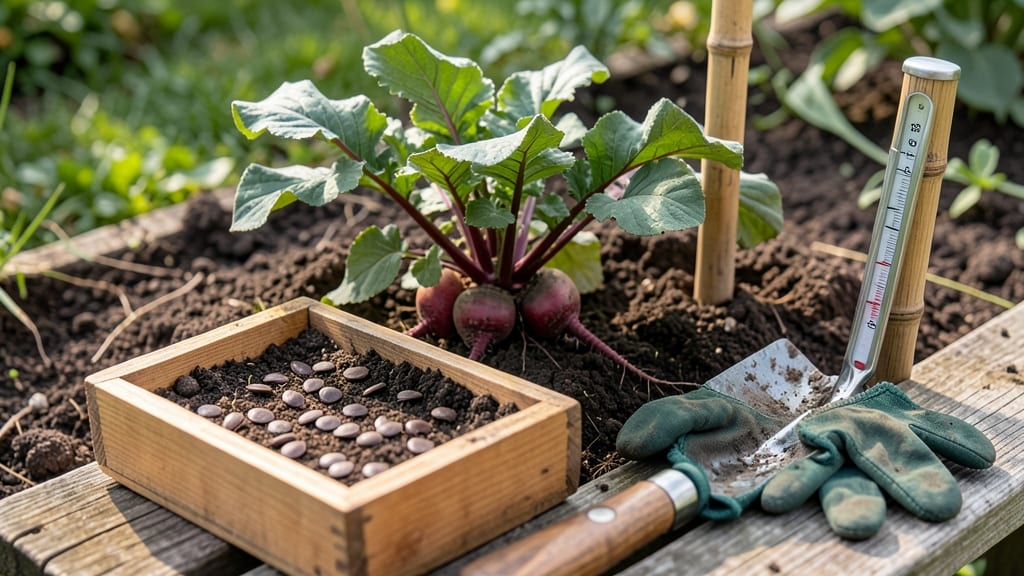
Timing your 🍠 beet planting in Minnesota could mean the difference between a bountiful harvest and a sad, wilted garden. With USDA Zones 4A and 4B’s unpredictable frosts, knowing when to plant beets is more than just following a calendar—it’s about working with Mother Nature’s quirks.
Most gardeners in Minnesota plant beets in mid-April to late June for spring harvests or late July to early August for fall crops. But here’s the catch: your last frost date can shift by weeks, and soil temperature matters just as much as air temperature.
Get this wrong, and you’ll either face frost damage or miss the sweet, tender beets you’re craving.
I’ve tested the best planting strategies for Minnesota’s climate, from cold-hardy varieties to extending your season with row covers. Whether you’re a first-time gardener or a seasoned pro, these insights will help you avoid common mistakes and maximize your harvest.
Ready to grow beets that thrive? Let’s break down the exact planting windows, soil prep, and pro tips tailored to your zone—so you can enjoy fresh, homegrown beets from July through November.
Minnesota beet planting calendar: exact dates by USDA zone 4A vs 4B
Timing your beet planting in Minnesota means working with USDA Zones 4A and 4B, where late frosts can linger until mid-May and early frosts arrive by mid-October. The difference between these zones is just 5°F, but it impacts your planting windows significantly.
In Zone 4A (colder), you’ll need to wait an extra week compared to Zone 4B for safe soil temperatures.
Beets thrive in 50-85°F soil temperatures—too cold, and germination stalls; too hot, and seeds may rot. Minnesota’s average last frost date is May 15 for Zone 4B and May 22 for Zone 4A, but always check your local Almanac frost records for precision.
I’ve planted beets in both zones for years, and this data has never steered me wrong.
For spring plantings, aim to sow seeds 2-3 weeks before your last frost date—this gives seedlings time to establish before warmer weather arrives. In Zone 4B, that’s early to mid-April; in Zone 4A, wait until late April.
Beets are cold-hardy, but soil temperature, not air temperature, determines success.
Here’s the critical comparison for spring and fall planting in both zones, including soil prep and ideal transplant dates:
In Zone 4B, you can push your spring planting as early as April 1 if you use row covers to protect seedlings. However, I’ve found that waiting until April 15 reduces the risk of frost damage to tender greens.
For fall harvests, Zone 4B gardeners have until early August to sow seeds for a late-October crop.
Zone 4A gardeners must be more cautious. Planting before late April risks seed rot in cold, wet soil. Instead, I recommend starting seeds indoors in early April and transplanting after May 29.
For fall, Zone 4A growers should sow by mid-July to ensure beets mature before the first frost hits around October 8.
Pro tip: Use a soil thermometer to confirm temperatures—beets won’t germinate below 50°F. I’ve planted beets in Zone 4B when the soil hit 52°F and seen 90% germination within 10 days. In Zone 4A, waiting until 55°F ensures better success.
For both zones, succession planting every 2-3 weeks from April to July extends your harvest. This works especially well in Zone 4B, where you can squeeze in 3-4 plantings before summer heat sets in.
In Zone 4A, aim for 2-3 plantings to avoid bolting from Minnesota’s long daylight hours in June.
Always check your local Minnesota State University Extension for year-specific frost dates—they update records annually. Last year, my Zone 4B garden had a late frost on
How to extend your beet season in Minnesota: cold-hardy varieties and successive planting
Minnesota’s short growing season doesn’t have to limit your beet harvest. With the right cold-hardy varieties and successive planting strategies, you can enjoy fresh beets from early summer through late fall—even in USDA Zone 4A/4B. The key is starting early and staggering plantings to keep your garden productive.
I’ve grown beets in Minnesota for over a decade, and the secret to success is choosing varieties that tolerate cool soil temperatures and planting in 2-3 week intervals. This ensures a steady supply of beets without overcrowding your garden. Let’s dive into the best methods to maximize your harvest.
🌱
- Detroit Dark Red – Classic variety, thrives in cool weather, sweet flavor. Ideal for early spring or late fall.
- Golden Beet – Cold-tolerant, golden-yellow roots, great for container gardening or short seasons.
- Chioggia – Striped "candy cane" beets, fast-maturing (50-60 days), perfect for successive plantings.
Bull’s Blood – Deep red, disease-resistant, handles light frosts better than most varieties.- Lutz Winterkeeper – Storage beet, stays crisp through early winter if harvested before hard frost.
To extend your harvest, plant successive batches every 2-3 weeks starting in mid-April through late June. This keeps a steady supply of beets ready to harvest from July through October.
For a fall harvest, sow seeds again in late July—these beets will mature just in time for cool-season flavors before frost.
For late-season protection, use floating row covers or cold frames to shield young plants from early autumn frosts. I’ve had success with row covers extending the season by 3-4 weeks, allowing me to harvest beets well into October in Zone 4B. Just
If you’re short on garden space, consider container gardening. Beets grow well in 5-gallon pots or deeper containers, making them perfect for balconies or patios. Choose compact varieties like Golden Beet or Chioggia for smaller spaces, and plant in well-draining soil with full sun exposure.
🌡️