
Plants
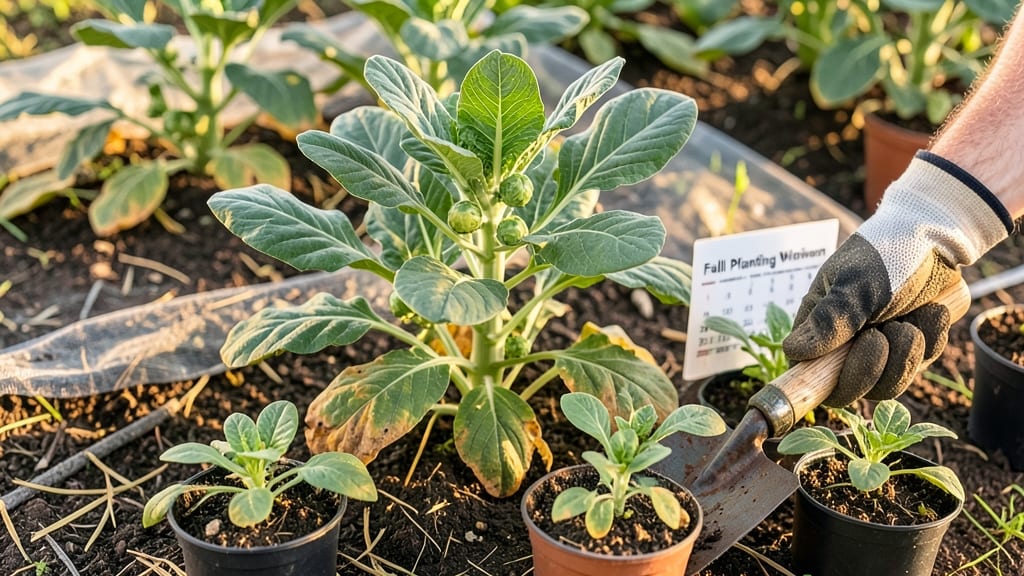
Planting Brussel sprouts 🥦 in Louisiana isn’t just about timing—it’s about outsmarting the heat and humidity that can turn your crop into a gamble. If you’ve ever watched your seedlings wilt under August sun or seen frost nip tender sprouts by December, you know the stakes are high.
The key to success lies in that narrow window between late summer and early fall, when temperatures dip just enough to let these cool-weather plants thrive.
Louisiana’s 8a-9b climate gives you a unique advantage: by planting in August or September, you can grow sweeter, more flavorful sprouts before winter arrives.
But here’s the catch: too early, and the heat stresses your plants; too late, and frost ruins your harvest. I’ll break down the exact planting schedule, soil prep tips, and even how to adapt for Louisiana’s microclimates—whether you’re in humid New Orleans or drier Shreveport.
Ready to grow Brussel sprouts 🥦 that outperform the grocery store? Let’s dive into the strategies that’ll have you harvesting from November through January—without the usual headaches.
Louisiana’s ideal Brussels sprout planting windows: avoid heat and frost traps
Brussels sprouts thrive in cool weather, making Louisiana’s humid summers their biggest enemy. The key is planting when soil temps drop below 80°F—typically between mid-August and mid-September—to escape the heat while avoiding early frosts.
This 8–10 week window before your first frost (usually December 1) ensures a bountiful harvest.
For Louisiana gardeners, timing depends on your region: Northern LA (USDA Zone 8a) has 2–3 weeks earlier planting windows than Southern LA (Zone 9b). Coastal areas like New Orleans can push planting into early October, while inland areas like Shreveport should start by mid-August to avoid heat stress.
Soil temperature is critical—Brussels sprouts won’t germinate well above 70°F. Use a soil thermometer to confirm temps are ideal before planting. In Louisiana’s heavy clay soils, amending with compost or aged manure improves drainage and heat retention, creating a safer environment for seedlings.
Here’s the golden rule: Plant 8–10 weeks before your average first frost. For most of Louisiana, this means August 15–September 15. Miss this window, and you risk bolting (premature flowering) from residual summer heat or frost damage if planted too late.
While fall planting is ideal, a small spring window (February–March) works for Louisiana gardeners who want a second harvest. However, spring-planted sprouts face higher pest pressure (like cabbage worms) and may bolt faster in Louisiana’s warming springs. If attempting spring planting, use shade cloth to protect seedlings from intense sun.
Louisiana’s humidity and heat can also stress Brussels sprouts, leading to bitter flavors or stunted growth. To combat this, choose heat-tolerant varieties like ‘Long Island Improved’ or ‘Tasty Purple’.
These varieties handle Louisiana’s 90°F+ spikes better than traditional types, giving you a slight buffer if your timing is off by a week or two.
Another critical factor is frost timing. While a light frost (28–32°F) can actually sweeten Brussels sprouts, prolonged freezes (below 25°F) will ruin your crop.
In Louisiana, this means harvesting by mid-December in most regions, or earlier in Zone 8a areas. Plan your planting window to finish harvests before January’s last frost.
For container gardeners in Louisiana, timing is even more precise. Smaller pots heat up faster, so late-August planting is safest. Use black plastic mulch to warm soil quickly in spring or straw mulch to insulate roots in fall.
Containers also dry out faster in Louisiana’s heat, so daily watering may be needed until roots establish.
Finally, don’t overlook succession planting. In Louisiana’s short growing season, stagger plantings every 2–3 weeks from August to September to extend your harvest window. This ensures you’re always picking fresh sprouts while avoiding the all-or-nothing risk of a single planting.
Step-by-step late-summer planting guide for Louisiana gardens
Timing is everything when planting Brussels sprouts in Louisiana’s heat. Your best window is mid-August to mid-September, when soil temperatures dip below 85°F but before first frost risks arrive. This 8-10 week growing window ensures sweet, tender sprouts by December.
Start with healthy seedlings from local nurseries (avoid mail-order plants stressed by shipping). Look for 10-12 inch tall plants with dark green leaves—these handle transplant shock better. Harden off seedlings for 7-10 days before moving them outdoors to toughen their skins.
- August 1-15: Purchase seedlings (10-12" tall) from trusted local suppliers
- August 15-30: Harden off seedlings (gradually expose to sun/wind)
- September 1-15: Transplant into garden (choose cloudy days or evening)
- September 16-30: Mulch heavily (2-3" straw) to retain moisture
- October-November: Fertilize lightly (5-10-10) if leaves yellow
Prepare your garden bed by amending heavy Louisiana clay with 2-3 inches of compost and a 5-10-10 fertilizer. Brussels sprouts thrive in slightly acidic soil (pH 6.0-7.0), so test your soil and adjust with lime if needed.
Space plants 18-24 inches apart in rows 30 inches apart—this prevents overcrowding and improves airflow.
After transplanting, water deeply (1-2 inches per week) to settle roots, then taper to every 5-7 days once established. Use drip irrigation to keep leaves dry—wet foliage invites fungal diseases like downy mildew, common in Louisiana’s humidity.
Water in the early morning to reduce evaporation and give plants time to dry.
Protect young plants from heat spikes (above 90°F) by providing shade cloth (30-50%) during peak afternoon sun. If temperatures exceed 95°F, plants may bolt prematurely, sending up flower stalks and ruining your crop. Monitor weather forecasts and adjust shading as needed.
Mulch with straw or pine needles (avoid grass clippings) to retain moisture and suppress weeds. A 3-inch layer keeps soil cool and extends your harvest window.
In North Louisiana (USDA Zone 8a), you might harvest until mid-December, while South Louisiana (Zone 9b) gardeners can enjoy sprouts through January.