
Plants
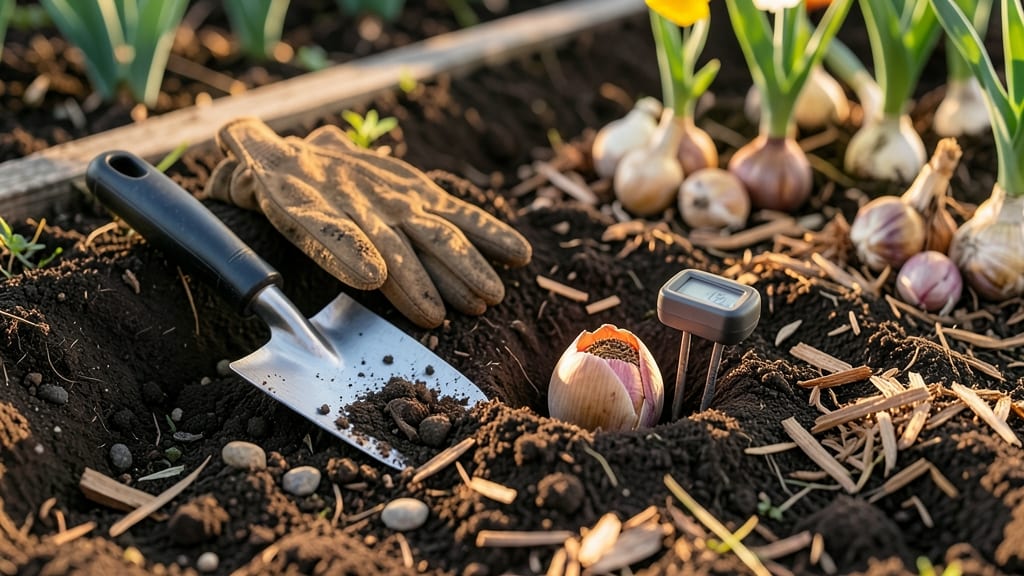
If you’ve ever planted bulbs in Zone 6 only to watch them fail to bloom—or worse, rot before spring—you’re not alone.
The truth is, when to plant bulbs in Zone 6 isn’t just about picking a month; it’s about giving them the perfect 6-8 weeks of root growth before the ground freezes. Skip this window, and you might as well toss your bulbs in the compost.
Here’s the kicker: most gardeners in 6a-6b zones rush planting in late fall or spring without checking soil temps. Bulbs like tulips and daffodils need cool (60°F or below) but unfrozen soil to establish roots—so timing isn’t just about dates, it’s about the weather.
I’ll show you exactly how to read your local frost dates and adjust for your microclimate, whether you’re in a cold pocket of Zone 6 or a slightly milder spot.
You’ll also discover why some bulbs (like crocuses) thrive with an early fall planting, while others (like alliums) need a later window.
Plus, I’ll debunk the myth that “spring planting works just as well”—spoiler: it doesn’t. By the end, you’ll know the exact months to plant for maximum blooms, plus how to prep your soil for success. Let’s get those 🌱 roots growing right.
The best part? These tips work for beginners and seasoned gardeners—no green thumb required. Whether you’re eyeballing your first batch of tulips or fine-tuning a 10-year-old perennial border, this guide cuts through the guesswork. Ready to turn next spring’s blooms into the showstopper they’re meant to be?
Optimal planting months for spring-flowering bulbs in Zone 6 (with exact dates)
In Zone 6, timing your spring-flowering bulbs is all about giving them 6-8 weeks of root growth before the ground freezes.
Most gardeners plant these bulbs in fall—typically between September and November—but the exact window depends on your last frost date (usually around October 15 in Zone 6).
For tulips, daffodils, and hyacinths, aim to plant bulbs 6 weeks before the first hard frost. This ensures roots establish before dormancy. If you miss fall planting, you can still plant in early spring (March or April), but blooms may be smaller or delayed.
Soil temperature matters too! Bulbs need cool soil (below 60°F) to trigger root growth. In Zone 6, this usually happens by mid-September, making late September through early October the sweet spot for most gardeners.
🌱 Did You Know? Some early bloomers (like crocuses and snowdrops) can handle planting as late as November, while late tulips need to be in the ground by mid-October to avoid frost damage.
🌱 Summary Table: Best Planting Months for Spring-Flowering Bulbs in Zone 6
| Bulb Type | Ideal Planting Window | Soil Temp Requirement | Notes |
|---|---|---|---|
| Tulips | Late September - Mid-October | Below 60°F | Plant early for larger blooms |
| Daffodils | Mid-October - November | Below 55°F | More frost-tolerant; can bloom earlier |
| Hyacinths | Late September - Early October | Below 60°F | Needs well-draining soil |
| Crocuses | October - November | Below 50°F | Early bloomers; great for winter interest |
| Alliums | September - October | Below 60°F | Drought-tolerant; great for pollinators |
If you’re planting in spring (March or April), choose hardy varieties like daffodils or alliums, which tolerate cooler soil better than tulips. Spring planting is riskier because bulbs may not have enough time to establish roots before blooming.
Pro tip: Use a soil thermometer to check temperatures. Bulbs need consistent cool soil (below 60°F) for root growth. If your soil stays warm past October 15, wait until temperatures drop naturally.
For container gardening, plant bulbs in pots by mid-October to ensure roots grow before winter. Use a well-draining mix and place containers where they’ll stay frost-free during extreme cold snaps.
Remember, overcrowding can reduce bloom size. Space bulbs 3-6 inches apart (depending on variety) for the best results. Mulch lightly after planting to insulate roots and retain moisture.
🌿 Final Tip: Mark your calendar for 6-8 weeks before your last frost date—this is your planting window for maximum bloom potential next spring!
Optimal planting months for spring-flowering bulbs in Zone 6 (with exact dates)
In Zone 6, the best time to plant spring-flowering bulbs like tulips, daffodils, and hyacinths is in fall, specifically between September and November. This timing ensures bulbs establish 6-8 weeks of root growth before the ground freezes.
For example, if your first hard frost hits mid-October, aim to plant by early September.
Soil temperature is critical—bulbs need cool soil (below 60°F) to trigger root growth. Use a soil thermometer to confirm readiness. In Zone 6a, plant earlier (late August to early October), while Zone 6b gardeners can extend until mid-November.
Early varieties like crocuses can handle slightly later planting, but tulips need the full window.
For spring planting, only hardy bulbs like daffodils can be planted in March or early April—but expect smaller blooms. Most spring-planted bulbs won’t flower until their second year. Tulips, for instance, need fall planting to bloom reliably.
Use a planting calendar to track your local frost dates and adjust timing accordingly.
Here’s a quick reference for Zone 6 planting windows by bulb type:
- Tulips: September 15–October 15
- Daffodils: September 1–November 1
- Hyacinths: September 15–October 30
- Alliums: September 1–October 15
If you miss fall planting, wait until spring—but only for daffodils and snowdrops. These tough bulbs can handle warmer soil better than tulips. For all other types, fall planting is non-negotiable for vibrant blooms the following spring.
Pro tip: Mulch after planting with 2-3 inches of straw or leaves to insulate bulbs from temperature swings and retain moisture. This extra layer can extend your planting window by 1-2 weeks in Zone 6’s cooler microclimates.