Plants
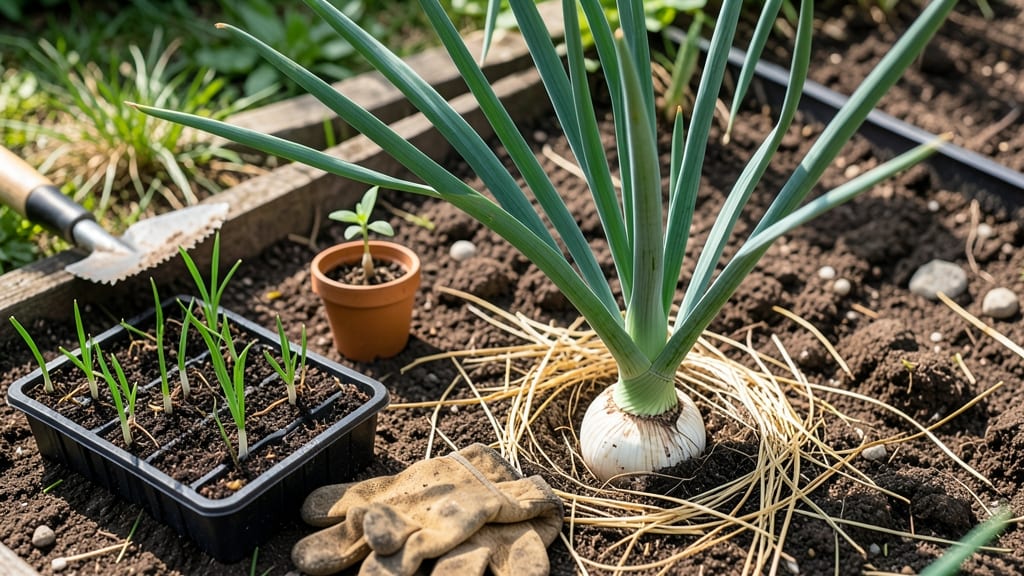
Timing your 🧅 onion planting in Central Florida can mean the difference between a bountiful harvest and a wasted effort. Unlike cooler climates, Florida’s warm winters and intense summers demand precise planting windows—fall or winter—to avoid bolting or stunted growth.
Most gardeners in USDA Zone 9b swear by planting between September and October for a spring harvest or January and February for summer onions. But why? Florida’s heat triggers onions to bolt prematurely, so getting them in the ground at the right time is the key to success.
I’ve tested the best heat-tolerant varieties and planting strategies here, and what works in Georgia or California simply won’t cut it. You’ll discover which onions thrive in our humidity, how to prep your soil for maximum growth, and when to expect your first harvest—without the guesswork.
Ready to grow onions that actually mature in Florida’s climate? Let’s break down the exact steps, from soil prep to harvest timing, so you can enjoy fresh, homegrown onions year after year.
Best planting months for onions in Central Florida’s climate zones
Central Florida’s USDA Zones 8b-9a create unique challenges for onion growers. Unlike northern climates, we don’t have freezing winters to trigger bulb formation—so timing is critical to avoid heat stress or premature bolting. The sweet spot? Two distinct planting windows that align with Florida’s mild winters and intense summers.
Most gardeners focus on fall planting (September-October) for a spring harvest, but winter planting (January-February) can also work if you choose the right varieties. The key is avoiding summer heat, which causes onions to bolt (send up flowers instead of forming bulbs) within weeks.
Here’s how Central Florida’s microclimates affect planting:
- North Florida (Zone 8b): Cooler winters allow slightly earlier fall planting (August-September)
- Central Florida (Zone 9a): Warmer winters push planting to September-October only
- South Florida (Zone 9b+): Onions struggle—stick to winter planting (January-February) or use shade cloth
| Planting Window | Best For | Harvest Time | Key Risk | Pro Tip |
|---|---|---|---|---|
| September 15 - October 15 | Fall harvest (April-May) | April 1 - May 15 | Heat stress in late winter | Use shade cloth in March |
| January 1 - February 15 | Winter harvest (June-July) | June 1 - July 15 | Bolting from spring heat | Choose long-day varieties |
| August 1 - September 10 | North Florida only | March 15 - April 30 | Hurricane season risks | Plant dwarf varieties |
For fall planting, aim to have onions established by October 15. This gives them time to grow roots before Florida’s mild winter slows growth. If you plant after November, bulbs may stay small or bolt prematurely when temperatures rise in February.
Winter planting (January-February) works best in Zone 9a and south, where cooler months last longer. The goal is to harvest before April’s heat triggers bolting. Use row covers in late winter to protect young plants from unexpected cold snaps—Central Florida’s last frost date varies wildly by year.
Pro tip: Test your soil in August before fall planting. Onions thrive in sandy loam with pH 6.0-7.0. If your soil is heavy clay (common in Florida), amend with compost and coarse sand to improve drainage—waterlogged onions rot faster than they grow.
Remember: No two Florida winters are alike. In 2021, Orlando saw 32°F nights in January, while 2023 barely dipped below 50°F. Monitor your local CoCoRaHS weather station for real-time microclimate data to adjust planting dates yearly.
🌱
Best planting months for onions in Central Florida’s climate zones
Central Florida’s USDA Zones 8b-9a mean onions can thrive year-round—but only if planted at the right time. Unlike colder climates, we avoid spring planting because the heat triggers bolting (flowering). Instead, focus on fall and winter windows when cooler temps slow growth and prevent premature flowering.
Your two best planting windows are September-October for a spring harvest and January-February for summer harvests. These months give onions 60-90 days of cool weather before summer heat arrives, ensuring bulbs mature without bolting. Microclimates near lakes or coastlines may extend these windows slightly.
Here’s how to align your planting with Central Florida’s unique climate:
| Planting Window | Ideal Months | Harvest Window | Key Consideration |
|---|---|---|---|
| Fall Planting | September-October | April-May | Cool temps prevent bolting; mulch to retain moisture. |
| Winter Planting | January-February | June-July | Avoid frost; use row covers for protection. |
| Avoid | March-April | N/A | Heat triggers bolting; harvest green onions instead. |
For fall planting, aim for 60-75 days before the last expected frost (rare in Zone 9a, but possible in microclimates). Use transplants or sets (small bulbs) for faster growth. Winter planting requires heat-tolerant varieties like Texas Early White to survive Florida’s mild winters without bolting.
Pro tip: Test your soil’s pH (6.0-7.0) before planting. Central Florida’s sandy soils often need compost or aged manure to retain moisture and nutrients. Amend beds with 2-3 inches of organic matter 2-3 weeks before planting for best results.
Monitor your onions closely in late winter—if temps rise above 75°F, provide afternoon shade to delay bolting. With the right timing, you’ll enjoy sweet, homegrown onions twice a year in Florida’s climate.