
Plants
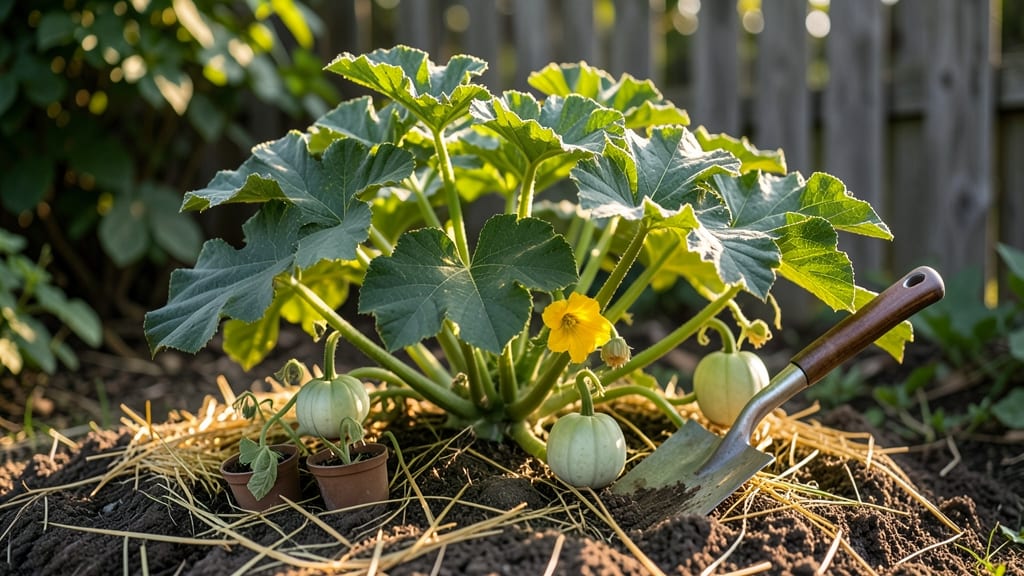
If you're dreaming of a bountiful 🎃 harvest this fall in Virginia, timing your pumpkin planting is the key to success. Planting too early risks frost damage, while waiting too long could shrink your yield—so when exactly should you get those seeds in the ground?
Virginia’s 7a climate gives you a narrow but critical window between late April and early May, right after the last frost. This isn’t just about dates, though—soil temperature must reach at least 60°F for fast germination and strong starts. Skipping this step often leads to slow growth or failed sprouts.
I’ll break down the exact planting schedule for your region, including soil prep tips and how to extend your growing season for bigger pumpkins. Whether you’re in Tidewater or the Shenandoah Valley, these insights will help you avoid common pitfalls and maximize your harvest.
Ready to grow pumpkins that thrive? Let’s dive into the fastest way to get your garden ready for a season of abundant 🎃 goodness.
Virginia’s best pumpkin planting dates by USDA hardiness zone
Virginia’s USDA hardiness zones 6-8 create perfect conditions for growing pumpkins, but the right timing depends on your specific zone and microclimate. Most of Virginia falls in zones 6a-7b, with Tidewater (6a) having the earliest last frost dates and Shenandoah Valley (7b) holding warmth longer into autumn.
Your goal? Plant when soil temperatures hit 60°F+ and the last frost has passed.
For Tidewater (Zone 6a), aim for mid-April to early May—this coastal region warms up faster than inland areas. In the Piedmont (Zone 7a), wait until late April to early May to avoid late frosts.
Meanwhile, Shenandoah Valley (Zone 7b) gardeners can start as early as late March in sheltered spots, but most wait until mid-April for safety.
🎃 Virginia Pumpkin Planting Guide by Zone
| Zone | Last Frost Date | Ideal Planting Window | Soil Temp Threshold | First Frost Risk |
|---|---|---|---|---|
| 6a (Tidewater) | April 1-15 | Mid-April to early May | 60°F+ | Low (coastal warmth) |
| 7a (Piedmont) | April 15-30 | Late April to early May | 60°F+ | Moderate (watch valleys) |
| 7b (Shenandoah) | April 15-May 1 | Late March (sheltered) to mid-April | 60°F+ | Low (longer growing season) |
🌱 Pro Tip: Use a soil thermometer to confirm 60°F+ before planting—cold soil delays germination by weeks!
If you’re unsure about your exact last frost date, check the Virginia Cooperative Extension’s frost maps or use Almanac’s Frost Calculator. For container gardening, you can start seeds indoors 4-6 weeks before your target outdoor date, but transplant carefully to avoid shocking roots.
For direct sowing outdoors, create hill plantings (3-4 seeds per mound) spaced 4-6 feet apart to give vines room to sprawl. In clay-heavy Virginia soils, mix in compost or sand to improve drainage—pumpkins hate soggy roots.
Always plant seeds 1 inch deep and water thoroughly after planting to settle the soil.
One common mistake? Planting too early in Zone 6a and risking frost damage. Instead, use row covers for a 2-3 week head start if you’re eager. For Shenandoah Valley gardeners, you can even try succession planting every 2 weeks until early June to extend your harvest window.
Remember, pumpkins need 90-120 days to mature, so calculate backward from your first frost date (typically mid-October in Virginia). If you’re growing mini pumpkins like ‘Jack Be Little’, you can plant as late as early June and still harvest before frost.
For maximum yield, choose heat-tolerant varieties like ‘Howden’ (great for Zone 6a) or ‘Cinderella’ (ideal for Zone 7b). These varieties handle Virginia’s summer humidity better than standard types and produce reliable harvests even in shorter seasons.
Finally, mark your calendar for September 15-October 1—this is peak harvest time in Virginia. By then, your pumpkins should have hard rinds, deep color, and dry stems. If frost threatens early, harvest immature pumpkins (they’ll ripen indoors) or protect them with row covers.
Virginia’s best pumpkin planting dates by USDA hardiness zone
Virginia’s climate spans USDA zones 6-8, meaning your planting window varies by region. In zone 6 (northern VA), aim for late April to early May after the last frost date (typically April 15).
For zones 7-8 (central/southern VA), you can start as early as mid-March in protected beds or late March outdoors. Always check your local frost dates—Tidewater (zone 8) has a longer season than the Shenandoah Valley (zone 6).
Soil temperature is critical: pumpkin seeds need at least 60°F (15°C) to germinate. Use a soil thermometer to confirm warmth before planting. In cooler zones, wait until nighttime temperatures stay above 50°F (10°C).
For direct sowing, plant seeds 1 inch deep in hills with 2-3 feet between plants—this improves drainage and airflow, reducing disease risk in Virginia’s humid summers.
🎃 Virginia Pumpkin Planting Guide by Zone
| Zone | Best Planting Window | Soil Temp Threshold | Frost-Free Days |
|---|---|---|---|
| 6 (Northern VA) | Late April–Early May | 60°F+ (15°C+) | 140–160 days |
| 7 (Central VA) | Mid-March–Late April | 60°F+ (15°C+) | 160–180 days |
| 8 (Southern/Tidewater) | Mid-March–Early April | 60°F+ (15°C+) | 180+ days |
For Tidewater gardeners (zone 8), you can even try early March plantings under row covers or in warm microclimates like south-facing slopes. In zone 6, prioritize fast-maturing varieties like ‘Jack Be Little’ (75 days) or ‘Small Sugar’ (85 days) to avoid early frost.
Always stagger plantings by 2 weeks to extend your harvest window—this is especially useful in Virginia’s short 165-day growing season.
Pro tip: Use black plastic mulch to warm soil faster in cooler zones. This raises soil temperature by 5–10°F, helping seeds germinate 2–3 days earlier. In clay-heavy soils (common in Piedmont VA), mix in compost or sand to improve drainage—pumpkins hate soggy roots.
Test your soil’s pH (6.0–6.8) before planting; Virginia’s native soils often need lime or sulfur adjustments.
If you’re in zone 6 or 7 and miss the ideal window, don’t despair! Start seeds indoors 2–3 weeks before your last frost date, then transplant seedlings after May 1. Use biodegradable pots to avoid root shock.
For container growing, choose dwarf varieties like ‘Minnesota Midget’ (75 days) and ensure pots are at least 5 gallons with drainage holes.
Remember: Virginia’s humidity and summer heat accelerate pumpkin growth—but also increase disease risks like powdery mildew. Space plants 4–6 feet apart for airflow, and water at the base (not leaves) in the morning to prevent fungal issues.
With the right timing and care, you’ll enjoy a bountiful harvest just in time for fall decor! 🎃