
Plants
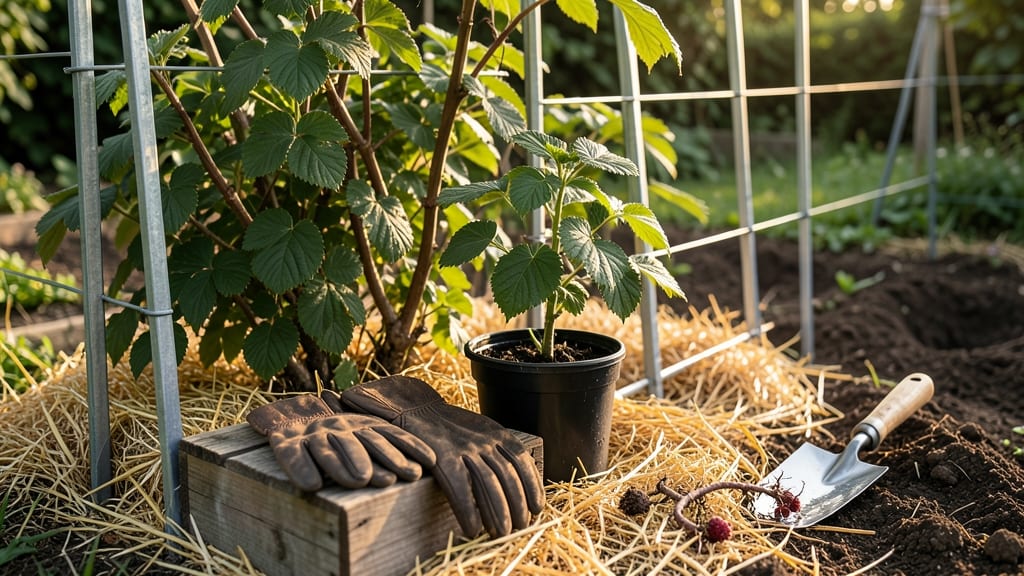
Timing your raspberry planting in North Carolina could mean the difference between a thriving 🍇 bush and one that struggles to take root. With Zone 7b-8a offering mild winters and hot summers, knowing the exact window to plant ensures your berries get the strong start they need for maximum growth.
Most gardeners in NC focus on late winter or fall, but there's a science to when those roots should hit the soil. Planting too early risks frost damage, while waiting too long can stunt early growth.
I'll break down the ideal months and why September-October often gives raspberries the competitive edge they need before winter.
Whether you're working with bare-root plants or potted raspberries, the right timing helps them establish deep roots before the first frost. Let's explore how to sync your planting schedule with North Carolina's climate patterns for the healthiest possible bushes.
You'll also discover how to prepare your soil, choose the perfect location, and avoid common mistakes that trip up even experienced gardeners. By the end, you'll have a clear timeline that works for your specific corner of the state—because not all of NC's zones behave exactly the same.
Best planting windows for raspberries in NC Zone 7b-8a: fall vs spring timing
North Carolina’s Zone 7b-8a climate gives you two prime windows to plant raspberries: late winter/early spring or fall. Each season offers unique advantages, but fall planting often gives raspberries a head start on root growth before winter dormancy.
Let’s break down the best timing for both methods to maximize your harvest potential.
For spring planting, aim for February to early March—just as the soil begins to warm but before the rush of new growth. This timing allows roots to establish before the heat of summer arrives.
However, fall planting (late September to mid-October) is my top recommendation for NC gardeners. Cooler soil temperatures reduce stress, and roots grow steadily until frost arrives.
Here’s why timing matters so much: Raspberry canes need 60-90 days of warm soil to establish roots before dormancy. Planting too early in spring risks frost damage to tender new shoots, while planting too late in fall leaves insufficient time for root growth.
The key is balancing soil temperature (ideally 50-60°F) with frost-free days remaining.
Raspberries come in two main types: summer-bearing (primocanes fruit in Year 2) and fall-bearing (floricanes fruit in Year 1). Both benefit from fall planting, but fall-bearing varieties like ‘Heritage’ or ‘Dorman Red’ thrive especially well when planted in September-October—their first-year canes produce fruit sooner.
In Zone 7b (e.g., Raleigh), your last frost typically arrives around March 15, while Zone 8a (e.g., Wilmington) may see frost as late as January 15. Use these dates to guide your planting schedule.
For example, if you plant in late October, roots will grow until frost, then resume in spring with a 3-week head start over spring-planted bushes.
If you choose spring planting, prioritize bare-root plants over potted ones—they establish faster in cooler soil. For fall planting, potted raspberries are ideal because they’re less stressed when transplanted in warm soil.
My top pick for NC gardeners? Plant fall-bearing varieties like ‘Heritage’ or ‘Boyne’ in late September—they’ll reward you with fruit the first year and robust canes for years to come.
Pro tip: Check your local NC State Extension office for precise frost dates in your county. For example, Asheville (Zone 7b) has later frosts than Wilmington (Zone 8a), so adjust your timeline accordingly.
A quick call or online lookup can save you from planting too early and risking frost damage.
Remember, raspberries are perennial plants, so the effort you put into timing now will pay off with larger canes and bigger harvests for the next decade.
Whether you choose spring or fall, focus on soil prep and root protection—these are the secrets to thriving raspberry bushes in North Carolina’s climate.
🍇
How to prepare your NC garden for raspberry planting: soil, location, and pre-planting steps
Preparing your North Carolina garden for raspberries starts with soil testing and site selection. Raspberry bushes thrive in well-draining soil with a pH of 5.5-6.5, but NC’s native clay soils often need amendments.
I recommend testing your soil first—many gardeners in Zone 7b-8a find their soil too acidic or compacted for optimal raspberry growth.
For drainage improvement, mix in pine bark fines or composted leaves to break up clay. Aim for a 30% organic matter ratio—this helps roots spread deeper and reduces waterlogging.
In Coastal NC (Zone 8a), sandy soils may need extra compost to retain moisture, while Mountain regions (Zone 7b) benefit from added sand for better aeration.
Location matters just as much as soil. Choose a spot with 6-10 hours of full sun daily and protection from strong winds. Raspberries need support, so install trellis systems or wire fences before planting to guide canes upward.
I plant mine along east-west facing fences—this maximizes morning sun while shielding from afternoon heat.
Here’s my step-by-step prep