
Plants
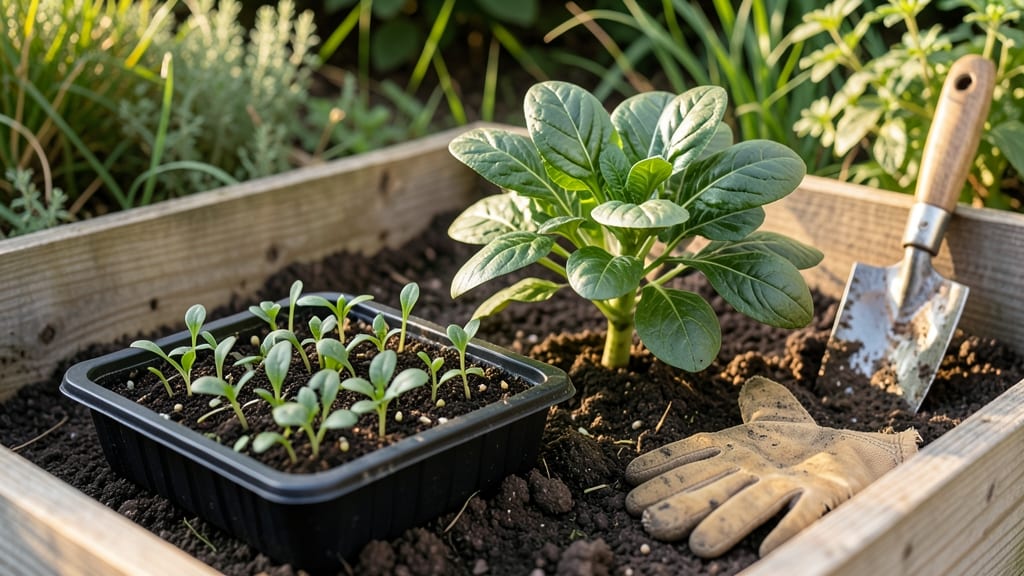
If you're dreaming of a crisp, homegrown spinach harvest in South Carolina, timing is everything—plant too early, and the heat will send your 🌱 bolting before you can say "summer salad." The key to success lies in understanding when to plant spinach in SC's unique climate.
South Carolina's warm winters and long summers create a tricky balance for growing cool-season greens like spinach. But don't worry—I'll show you exactly when to put those seeds in the ground for fast, reliable harvests that last from fall through spring.
We're talking about planting windows that avoid both the brutal summer heat and the unpredictable frost patterns. With the right schedule, you can enjoy fresh spinach leaves in just 60 days—perfect for adding to your favorite dishes all winter long.
Whether you're a seasoned gardener or just starting out, these proven strategies will help you beat the heat and grow spinach that's tender, flavorful, and ready to harvest when you need it most.
Optimal spinach planting months in South Carolina’s climate zones
South Carolina’s USDA zones 7b-8a create unique challenges for growing spinach. Unlike cooler climates, our mild winters and hot summers demand strategic timing to avoid bolting or pest damage.
The key is planting when soil temperatures stay between 45°F and 75°F—too warm, and your spinach will bolt; too cold, and growth stalls.
Most gardeners in SC focus on two prime planting windows: early fall and late winter. Fall plantings (August-September) give spinach time to mature before winter, while late winter (February-March) catches the cooler spring air.
Each zone has slight variations—coastal areas can plant slightly earlier than Piedmont regions due to milder temperatures.
Here’s how to align your planting schedule with SC’s climate zones for maximum success:
| Planting Window | Zone 7b (Upstate) | Zone 8a (Coastal) | Key Consideration |
|---|---|---|---|
| Early Fall | Mid-August to early September | Late August to mid-September | Plant 6-8 weeks before first frost |
| Late Winter | Mid-February to early March | Early February to mid-March | Soil temps must stay above 45°F |
| Spring Bonus | Late October (shade-cloth only) | Mid-October (shade-cloth only) | Use 30% shade cloth for summer heat |
For continuous harvests, I recommend staggering plantings every 2-3 weeks within these windows. For example, plant one batch in early September, then another in mid-September, and a final batch in early October. This ensures fresh spinach from late October through February—just in time for winter salads!
Always check your local last frost date (typically mid-November for Upstate and early December for Coastal SC). Planting too close to frost risks stunted growth, while planting too early in summer heat causes bolting.
Use a soil thermometer to confirm temperatures—ideal spinach soil temps range from 50°F to 65°F.
Pro tip: If you’re in Zone 8a, you can squeeze in a third planting in late January using row covers. This extends your harvest window by another month. Just remove covers during the day to prevent overheating and add them back at night for frost protection.
Remember, spinach is a cool-season crop, so avoid planting when daytime highs exceed 75°F. In SC’s heat, even brief exposure to temperatures above 80°F triggers bolting—where the plant focuses on seed production instead of leaf growth. This is why fall and winter plantings work best.
For maximum leaf production, choose slow-bolting varieties like 'Bloomsdale Long Standing' or 'Tyee'. These hold up better in SC’s mild winters than standard varieties. Pair your spinach with radishes or lettuce to maximize space in your garden beds.
Finally, always harden off seedlings before transplanting. South Carolina’s unpredictable weather can shock tender spinach plants. Gradually expose them to outdoor conditions over 7-10 days before their final planting date to ensure they thrive in your garden’s microclimate.
Optimal spinach planting months in South Carolina’s climate zones
South Carolina’s USDA zones 7b-8a create unique challenges for growing spinach—too much heat sends it bolting, while late starts risk frost damage. The perfect planting window depends on your specific zone and whether you’re aiming for fall or spring harvests.
Most gardeners in SC succeed with two planting cycles: one in early fall and another in late winter.
For fall harvests, plant spinach seeds 6-8 weeks before your first expected frost (typically mid-September to early October). This timing ensures mature leaves before winter sets in. In USDA zone 8a, where winters are milder, you can extend planting until late October for a winter harvest.
Always check your local frost dates—Columbus and Charleston have different averages!
| Planting Window | Zone 7b | Zone 8a | Soil Temp |
|---|---|---|---|
| Early Fall (Fall Harvest) | Late Aug - Early Sept | Mid-Sept - Early Oct | 55-65°F |
| Late Winter (Spring Harvest) | Mid-Feb - Early March | Late Jan - Mid-Feb | 45-55°F |
| Summer (Shade-Cloth Only) | June (with 30% shade) | May-June (with 50% shade) | 70-75°F max |
Spring planting in SC requires patience—wait until soil temperatures drop below 80°F (usually after late February in zone 7b and January in zone 8a). Planting too early in warm soil triggers bolting.
For continuous harvests, stagger plantings every 2 weeks from February through March. This ensures a steady supply of baby leaves before summer heat arrives.
Pro tip: Use a soil thermometer to monitor temperatures—spinach thrives when soil stays between 45-65°F. If your garden soil runs hotter, consider raised beds with added compost to regulate temperature.
In zone 8a, you can even squeeze in a late summer planting (June) if you provide 30-50% shade cloth.
Remember, spinach is a cool-season crop, so avoid planting when daytime highs exceed 75°F. In SC’s humid summers, heat stress causes leaves to turn bitter and bolt prematurely.
For the best results, align your planting schedule with local frost dates and monitor weather forecasts for unexpected cold snaps—especially in zone 7b, where winters can be unpredictable.
Once you’ve nailed your planting windows, focus on quick succession plantings every 10-14 days to maintain a steady harvest. This works especially well for baby leaf varieties like 'Baby’s Leaf Hybrid' or 'Tyee,' which mature faster and tolerate heat slightly better than traditional spinach.