
Plants
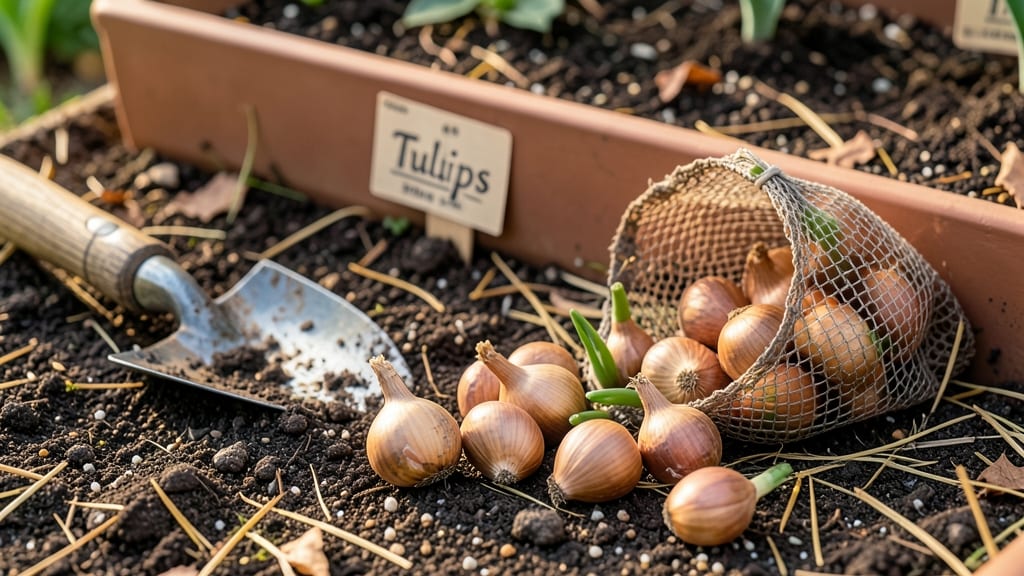
Knowing when to plant tulip bulbs in Kentucky could mean the difference between a stunning spring garden and a missed opportunity. With Kentucky’s USDA Zone 6a climate, timing is critical—plant too early, and your bulbs may rot; too late, and frost will stifle growth before blooms even appear.
For 🌷 tulips to thrive in Kentucky, the ideal window is between October and November, when soil temperatures drop but before the ground freezes solid.
This 6-8 week window ensures bulbs establish roots while avoiding winter’s harshest chill. Missing it? Don’t worry—we’ll cover adjustments for early or late winters too.
Why does this matter? Because Kentucky’s unpredictable frost dates can throw off even the most experienced gardeners. Whether you’re a first-time planter or a seasoned pro, getting this right means stronger bulbs, brighter blooms, and fewer headaches come spring.
Let’s break down the exact steps, from soil prep to mulching, so your tulips get the perfect start—and you avoid common Kentucky-specific mistakes that could ruin your garden before it even begins.
Best planting months for tulip bulbs in Kentucky (Zone 7b)
Kentucky’s USDA Zone 7b climate demands precise timing for tulip bulbs—plant too early, and they’ll rot in damp soil; too late, and they won’t establish roots before winter.
The ideal planting window is between mid-October and early November, when soil temperatures drop to 50-60°F but before the first hard frost.
This timing ensures bulbs root deeply before winter dormancy, giving you vibrant spring blooms from April to May. Kentucky’s average first frost typically arrives around October 15, so aim to plant 6-8 weeks before that date for best results.
For gardeners in northern Kentucky (closer to Zone 6), push planting to early October to avoid early freezes. In southern Kentucky (Zone 7a), you can extend planting until mid-November—just confirm soil temps are below 60°F.
🌷
Spring planting is possible but risky in Kentucky. If you must plant in spring, do so as soon as soil thaws (typically March) and expect smaller blooms the first year. Bulbs need 12-16 weeks of root growth before flowering, so spring-planted bulbs often skip blooming entirely.
For reliable results, stick to fall planting and use local frost date data from the Kentucky Mesonet or Old Farmer’s Almanac to fine-tune your schedule. Even a 1-2 week delay can reduce bloom quality.
Pro tip: Mark your calendar for October 15—this is Kentucky’s average first frost date. Count backward 6-8 weeks to determine your ideal planting window. If your October is unusually warm, monitor soil temps with a soil thermometer to avoid planting too late.
🌡️
If Kentucky’s unpredictable winters leave you hesitant, consider container planting. Pots allow you to move bulbs to a garage or cold frame during extreme cold snaps, extending your planting window into early December if needed. Just ensure containers have drainage holes to prevent rot.
Remember: Well-established bulbs (those planted in ideal fall conditions) are 3x more likely to rebloom the following spring. Don’t rush—take the time to plant correctly now for years of effortless color.
✅
Best planting months for tulip bulbs in Kentucky (Zone 7b)
In Kentucky’s USDA Zone 7b, timing your tulip bulb planting is critical—aim for 6-8 weeks before the first hard frost, typically between mid-October and early November. This window ensures bulbs establish roots before winter dormancy, setting the stage for stunning spring blooms.
Early planting (September) risks rot in warm soils, while late planting (December) may leave bulbs vulnerable to winter freeze-thaw cycles.
Kentucky’s average first frost date is around October 15, but this can vary yearly. Check your local National Weather Service forecasts or use a soil thermometer to confirm when temperatures consistently drop below 50°F (10°C)—the ideal trigger for planting.
Pro tip: Plant when soil temps hover around 40-50°F (4-10°C) for optimal bulb health.
While fall planting is ideal, Kentucky gardeners can also try spring planting (March-April) for late-season varieties, though blooms may be smaller. Spring-planted bulbs need extra care: water immediately after planting and monitor for deer or rodent damage, which is more common in early spring.
For best results, stick with fall planting—it’s the gold standard for tulips.
🌷 Kentucky Tulip Planting Timeline
| Timeframe | Action | Soil Temp | Notes |
|---|---|---|---|
| September 15-October 15 | Early planting window | 50-60°F (10-15°C) | Risk of rot if soil stays warm |
| October 15-November 15 | Ideal planting window | 40-50°F (4-10°C) | Best for root establishment |
| November 15-December 15 | Late planting (smaller blooms) | Below 40°F (4°C) | Mulch heavily for protection |
| March-April | Spring planting (emergency) | 45-55°F (7-13°C) | Water immediately; watch for pests |
Adjust your planting schedule based on microclimates in Kentucky. Northern Kentucky (closer to Zone 6) may need earlier planting, while southern Kentucky (Zone 7a) can extend the window slightly. Elevated areas like the Cumberland Plateau often experience earlier frosts, so plant bulbs 2-3 weeks earlier than Louisville or Lexington gardeners.
Always prioritize well-draining soil—Kentucky’s clay-heavy soils can trap moisture, leading to bulb rot.
For container gardening, plant tulip bulbs in well-draining pots with a minimum 6-inch depth and use a lightweight potting mix. Move containers to a garage or shed before Kentucky’s first frost to simulate winter dormancy, then return them to outdoor light in late winter.
This trick extends the blooming season by 2-3 weeks compared to ground-planted bulbs.
Mark your calendar for April 15, Kentucky’s average last frost date, as a reminder to stop fertilizing tulips and let foliage yellow naturally. This 6-week period after blooming is when bulbs store energy for next year’s flowers. Skipping this step weakens bulbs and reduces future blooms—don’t miss it!