
Plants
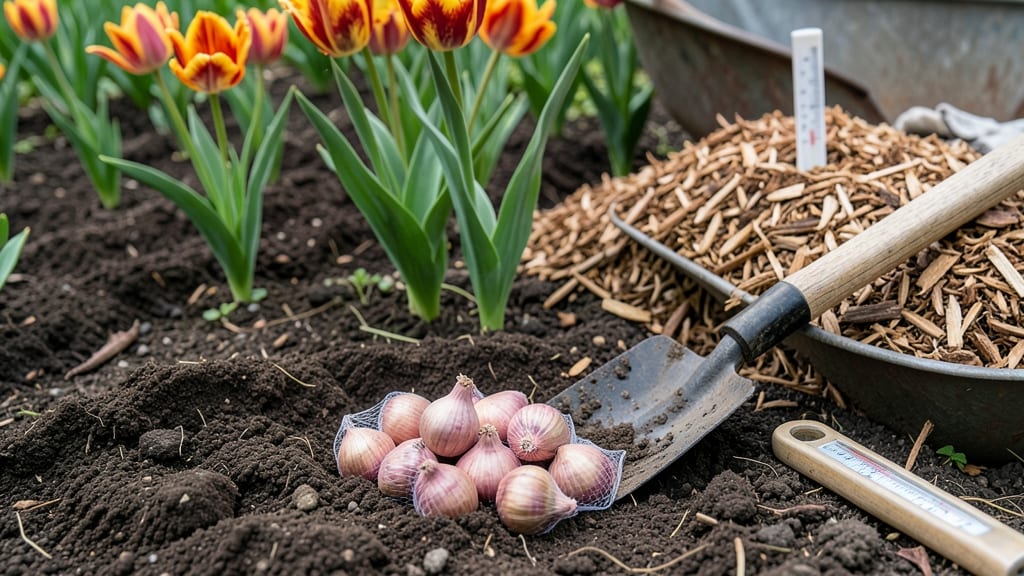
Timing your tulip planting in Massachusetts can make or break your spring blooms—get it wrong, and frost or heat will sabotage your 🌷 dreams before they even sprout. The key lies in understanding your hardiness zone, soil temperatures, and when Mother Nature starts putting on her icy gloves.
In Zone 6a (where most of Massachusetts falls), the sweet spot for planting tulips is between October and November, when soil temps hover around 50°F and before the ground freezes solid.
This 4-6 week window gives bulbs time to root but avoids the risks of premature sprouting or rot if planted too early.
Why does this matter? Because unlike spring-planted flowers, tulips need a cold period (called vernalization) to bloom properly. Plant too late, and your bulbs might not get enough chill time. Too early, and they could rot in soggy soil or sprout before winter's frost sets in.
I'll walk you through exactly how to time your planting—whether you're in Boston's urban microclimate or the rural hills of western Massachusetts—plus pro tips for soil prep and avoiding common mistakes that even experienced gardeners make. Let's get those tulips in the ground the right way!
Massachusetts tulip planting calendar by hardiness Zone (5 & 6)
Massachusetts spans USDA Hardiness Zones 5 and 6, which means your tulip planting window varies slightly between western MA (Zone 5) and eastern MA (Zone 6). In Zone 5, the ground freezes earlier—typically by mid-October—while Zone 6 holds onto warmth until late October or early November.
To maximize blooms, aim to plant when soil temps drop to 50-60°F (10-15°C), signaling the bulbs to root before winter dormancy.
Timing is critical because tulips need 4-6 weeks of chilling before frost sets in. Plant too early, and bulbs may sprout prematurely; too late, and they won’t establish roots before the ground freezes.
Use the USDA Plant Hardiness Map or local frost records to refine your schedule—Boston (Zone 6b) has a 2-week later window than Springfield (Zone 5b).
Here’s your zone-specific planting calendar based on 30-year averages from the National Oceanic and Atmospheric Administration (NOAA):
| Zone | Ideal Planting Window | Soil Temp (°F) | Last Frost Date | Notes |
|---|---|---|---|---|
| Zone 5 (Western MA) | Mid-September to October 15 | 50-60°F (10-15°C) | April 15-May 1 | Plant 6-8 weeks before first frost. |
| Zone 6 (Eastern MA) | October 1-31 | 50-60°F (10-15°C) | April 20-May 10 | Zone 6a (e.g., Boston) can extend to early November. |
| Both Zones | Latest: December 1 | Ground must be workable | N/A | Risk of premature sprouting if planted too late. |
For Zone 5 gardeners, start planting in mid-September to ensure bulbs root before the first hard frost. In Zone 6, you have flexibility until late October, but avoid waiting past November 1—bulbs planted later may not bloom as vigorously.
Use a soil thermometer to confirm temps are in the 50-60°F range before planting.
Pro tip: Check the Massachusetts State Climatologist’s frost data for your specific town—coastal areas (Zone 6b) like Cape Cod often have 2-3 weeks later frost dates than inland regions.
For example, Provincetown (Zone 7a) can plant until November 15, while Worcester (Zone 5b) should finish by October 15.
If you miss the fall window, spring planting is possible but risky. Tulips planted in spring (March-April) may bloom the same year, but they’ll need consistent moisture and protection from late frosts.
For best results, stick to fall planting—it’s the gold standard for reliable blooms.
Remember: Tulip bulbs are perennials, but they multiply best when planted in fall. Each year, your garden will expand naturally if you plant in the optimal window. Just be patient—first-year blooms may be modest, but years 2-3 deliver showstopping displays.
🌱
Key factors that determine your perfect tulip planting time
Massachusetts' variable climate means your tulip planting success hinges on more than just dates—soil temperature, bulb variety, and even your yard's microclimate play crucial roles. Let me break down the critical factors that help you pinpoint the ideal window for your specific location.
The right timing ensures your bulbs establish roots before winter's chill sets in.
First, soil temperature is non-negotiable. Tulip bulbs need the ground to reach 50-60°F before planting. In Massachusetts, this typically occurs between mid-October and early November, but urban areas like Boston may run 1-2 weeks later due to heat retention.
Use a soil thermometer to verify—this simple tool prevents costly mistakes.
Next, consider your tulip varieties. Early bloomers like 'Early Harvest' need planting by late September, while late varieties such as 'Darwin Hybrid' can wait until early November.
Mixing types? Plant early bloomers first, then late bloomers 2-3 weeks later for a prolonged spring display. This staggered approach maximizes your garden's visual impact.