
Vegetables
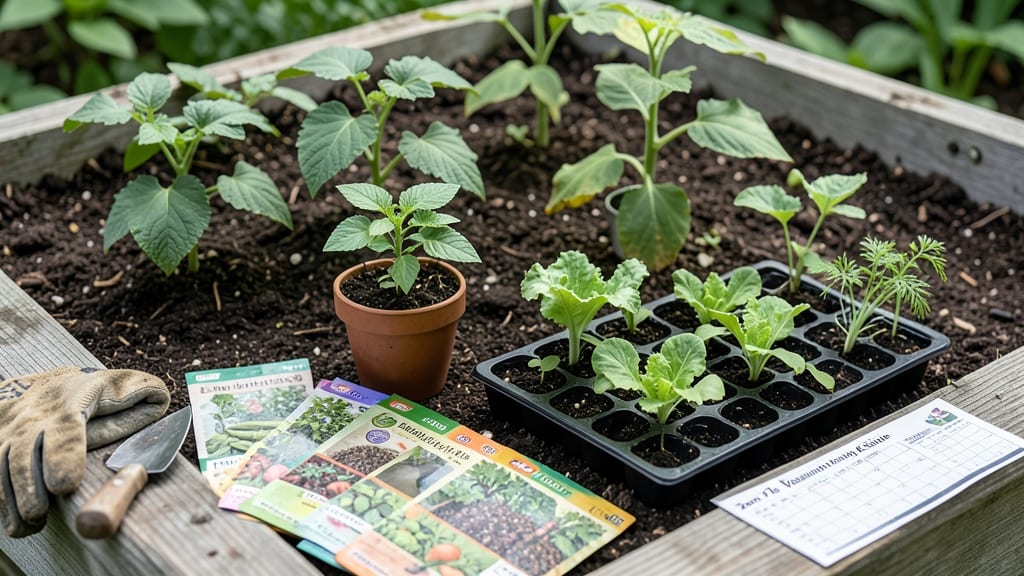
Getting your 🥕 vegetables in the ground at when to plant vegetables in zone 7b the wrong time can mean the difference between a garden bursting with flavor and one that fizzles before summer even arrives.
The key isn't just following a generic calendar—it's knowing when to plant each crop based on your specific microclimate, whether you're in Richmond's humid valleys or Atlanta's urban heat pockets.
Most gardeners in Zone 7b assume they can plant everything after April 15, but that's where mistakes happen.
Cool-season crops like lettuce and peas need to go in 4–6 weeks before your last frost, while tomatoes and peppers won't tolerate cold soil—so timing them 2–3 weeks after that date is critical. Miss these windows, and you're fighting the clock instead of the weeds.
What if your backyard is cooler than the average Zone 7b forecast? Or what if you're dealing with a heat island effect from pavement? I’ll show you how to adjust planting dates based on real local conditions, so you’re not left scrambling when the first frost sneaks up in November.
Let’s turn your garden into a year-round harvest machine—starting with the right moves in spring.
Ready to ditch the guesswork? You’ll walk away with a microclimate-tailored planting schedule, exact dates for succession crops, and tricks to extend your growing season so you’re harvesting until November. No more wasted seeds or wilted dreams—just a garden that delivers.
Zone 7b planting calendar: exact dates for warm and cool-season vegetables
Mastering the Zone 7b planting schedule starts with knowing your last frost date, which typically lands around April 15 for most areas. However, microclimates—like urban heat islands or sheltered valleys—can shift this by 2–4 weeks.
For reliable data, check the USDA Plant Hardiness Zone Map and local weather stations for your specific city, whether it's Richmond, Atlanta, or Nashville.
Cool-season vegetables like lettuce, spinach, and peas thrive when planted 4–6 weeks before your last frost. This means starting seeds indoors in late February or direct-sowing outdoors in early March.
Warm-season crops such as tomatoes, peppers, and beans need to wait until soil temperatures reach 60°F (15°C), usually 2–3 weeks after your last frost, or around mid-April.
🌱 Zone 7b Planting Summary Table
| Crop Type | Planting Window | Soil Temp Threshold | Notes |
|---|---|---|---|
| Cool-Season (Spring) | Late Feb–Early Mar (Indoors) / Early Mar–Mid-Apr (Outdoors) | 40–50°F (4–10°C) | Lettuce, Spinach, Peas, Broccoli |
| Warm-Season (Spring) | Mid-Apr–Early May | 60°F+ (15°C+) | Tomatoes, Peppers, Beans, Corn |
| Cool-Season (Fall) | Mid-Aug–Early Sep (Outdoors) | 50–60°F (10–15°C) | Kale, Carrots, Radishes, Spinach |
| Warm-Season (Fall) | Late Jul–Early Aug (Transplant) | 60°F+ (15°C+) | Peppers, Eggplant, Basil |
For warm-season crops, soil temperature is more critical than air temperature. Use a soil thermometer to confirm readiness—most seedlings will struggle if planted in cold soil.
If your soil is still chilly in mid-April, consider using black plastic mulch or row covers to warm it faster. Tomatoes and peppers, in particular, need consistent warmth to avoid blossom-end rot or stunted growth.
Don’t overlook fall planting in Zone 7b, which offers a second harvest window. Start cool-season crops like kale and carrots in mid-August for a late-October harvest before the first frost.
For warm-season crops like peppers, transplant seedlings in late July to enjoy peppers into early fall. Just be sure to use row covers if frost threatens early.
Local variations matter—Richmond’s last frost often comes 1–2 weeks earlier than Atlanta’s due to its coastal influence. Use Almanac’s Frost Calculator or your local Cooperative Extension Service for hyper-local advice. For example, Nashville’s frost dates can shift based on elevation, with higher areas freezing earlier.
Pro tip: Direct-sow heat-loving crops like beans and cucumbers after May 1 to avoid transplant shock. These crops germinate best in warmer soil and tolerate direct seeding better than delicate seedlings. Always harden off transplants for 7–10 days before moving them outdoors to prevent stress.
Extend your growing season with season extenders like cold frames or low tunnels. These can push your last harvest date into November for crops like spinach and lettuce.
Just ensure proper ventilation to avoid fungal diseases from excess moisture. With these strategies, you’ll maximize your Zone 7b harvest potential year-round.
Remember, succession planting is key for continuous harvests. For example, sow lettuce every 2 weeks from March to September to avoid bolting. This ensures you always have fresh greens, even as temperatures rise. Start small, track your progress, and adjust based on your garden’s unique conditions.
How microclimates in Zone 7b shift planting deadlines (and how to adapt)
Your Zone 7b garden might feel like a different climate zone entirely—especially if you're dealing with frost pockets, urban heat islands, or elevated beds. In Richmond, VA, the average last frost is April 15, but a low-lying area could see frost 2 weeks later.
Meanwhile, Atlanta’s urban heat can push warm-season planting 3 weeks earlier than rural areas. These microclimates aren’t just quirks; they can mean the difference between thriving tomatoes and stunted seedlings.
Microclimates are created by factors like slope, water bodies, building shadows, and soil type. For example, a south-facing slope warms up faster, letting you plant peppers 2 weeks earlier than flat ground.
Conversely, a north-facing frost pocket might delay planting by 1–2 weeks. Ignoring these shifts can lead to failed crops or wasted seed money—so let’s fix that with actionable adjustments.
Frost Pockets: Low areas trap cold air. Delay cool-season crops like spinach by 1–2 weeks or use row covers for protection.
Elevated Beds: Warmer soil speeds up germination. Start peppers and tomatoes indoors 3 weeks earlier than flat-ground schedules.
To adapt, test your microclimate before planting. Place a minimum-maximum thermometer in your garden for 2 weeks to track soil temps. Compare it to your local USDA data—you’ll likely find discrepancies.
For instance, if your soil hits 60°F (ideal for tomatoes) by March 20 instead of the expected April 5, adjust your planting date accordingly. This small step can boost your harvest by 30%.
Another key adjustment is choosing the right varieties. In hot microclimates, opt for heat-tolerant tomatoes like 'Solar Fire' (thrives at 90°F+) instead of standard varieties. In frost-prone areas, fast-maturing lettuce like 'Black Seeded Simpson' (ready in 30 days) beats slow growers.
Your local Cooperative Extension office often provides microclimate-specific variety recommendations—don’t skip this free resource!
For succession planting, microclimates matter too. In a warm microclimate, you might squeeze in 3 rounds of bush beans (every 3 weeks) instead of the usual 2. Conversely, in a cool pocket, stretch out plantings by 1 week to avoid bolting.
Use a planting journal to track what works—note dates, varieties, and yields to refine your schedule each year.
Finally, row covers and cold frames are your secret weapons for microclimate challenges. A floating row cover can extend your cool-season growing window by 4–6 weeks, while a cold frame lets you plant spinach in early March—even if the official last frost is April 15.
These tools turn microclimate liabilities into opportunities for earlier harvests and longer seasons**.