
Plants
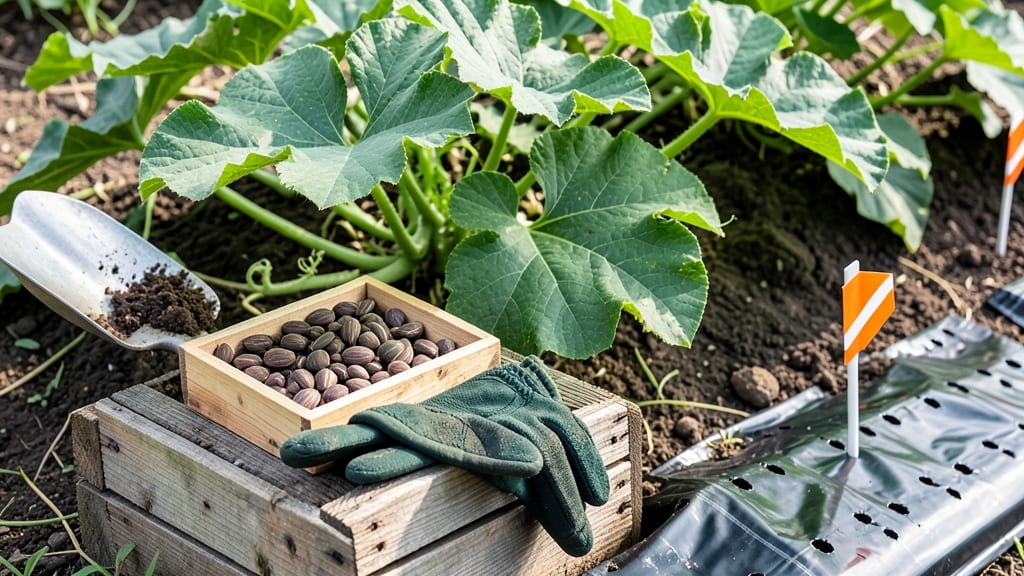
Timing when to plant watermelon seeds in Michigan isn’t just about the calendar—it’s about beating frost, warming soil, and giving those heat-loving vines the head start they crave. Plant too soon, and a late frost will turn your hard work into sad, wilted seedlings.
Too late, and you’ll miss the sweet harvest window between July and September.
I’ve learned the hard way that Michigan’s Zone 5b-6b climate demands patience—waiting until mid-April to mid-May, when soil hits 70°F+, is non-negotiable. But here’s the secret: with the right prep, you can stretch that window to squeeze in a juicy harvest before fall’s chill sets in.
Whether you’re a first-time gardener or a seasoned pro, this guide will walk you through the exact steps to time your planting like a local.
We’ll cover when to start seeds indoors, how to prep your soil for Michigan’s unpredictable springs, and even how to cheat the system with a few pro tips for cooler summers.
Ready to grow watermelons that rival the ones at the farmers’ market? Let’s dive into the schedule that’ll turn your backyard into a 🍉 paradise—no matter how many times Michigan decides to throw a frost curveball your way.
Michigan’s ideal watermelon planting window: soil temps, frost dates & heat requirements
Timing your watermelon seeds in Zone 5 Michigan means balancing last frost dates with soil warmth—critical for heat-loving vines. Northern Michigan’s late May planting window contrasts sharply with southern Michigan’s mid-April start, but both regions share one non-negotiable rule: wait until soil hits 70°F+.
A cold snap after planting? Your seedlings will sulk or stall, leaving you with bitter melons instead of sweet rewards.
Michigan’s USDA Zone 5b-6b climate creates a tight window for watermelon cultivation. The average last frost date ranges from mid-April in Detroit to early June in the Upper Peninsula. However, frost dates are just one piece of the puzzle—soil temperature is the real game-changer.
Watermelons refuse to germinate below 65°F, and their roots struggle to absorb nutrients in cooler soils. Use a soil thermometer to confirm readiness before planting.
Here’s the golden rule for Michigan gardeners: Plant watermelon seeds after Memorial Day in most regions, but verify your local frost-free date using the Michigan State University Extension’s frost map.
Southern Michigan can start direct sowing as early as late April, while northern counties should wait until mid-June. Pro tip: Black plastic mulch can warm soil by 10-15°F, giving you an extra 2-3 weeks of planting flexibility in cooler areas.
| Region | Last Frost Date | Ideal Planting Window | Soil Temp Requirement | Notes |
|---|---|---|---|---|
| Southern Michigan (Detroit, Kalamazoo) | Mid-April | Late April–Mid-May | 70°F+ | Use row covers for early starts |
| Central Michigan (Lansing, Grand Rapids) | Early May | Mid-May–Early June | 70°F+ | Black plastic mulch extends window |
| Northern Michigan (Traverse City, UP) | Mid-June | Late June–Early July | 70°F+ | Choose fast-maturing varieties |
| All Regions (Indoor Start) | N/A | 4–6 weeks before last frost | 65°F+ for germination | Transplant after soil warms |
Don’t let Michigan’s cool nights fool you—watermelons thrive in heat, and their vines need warmth to spread and fruit. If you’re in northern Michigan, opt for early-maturing varieties like ‘Sugar Baby’ (58 days) or ‘Crimson Sweet’ (80 days) to maximize your 165-day frost-free window.
Southern Michigan gardeners can experiment with larger varieties like ‘Charleston Gray’ (90 days), but be prepared to harvest by early September before fall frosts arrive.
For direct sowing, mark your calendar for Memorial Day weekend as a safe bet in most of Michigan. However, if you’re eager to start earlier, use biodegradable seed starter pots indoors under grow lights (or a south-facing window) 4-6 weeks before your last frost date.
Harden off seedlings for 7-10 days before transplanting—this toughens them up for Michigan’s unpredictable spring weather and reduces transplant shock.
Pro tip: Monitor your local microclimate. Urban areas like Detroit often warm up faster than rural zones, while Great Lakes shorelines can experience delayed soil warming due to lake breezes. Check NOAA’s climate maps or ask your local Cooperative Extension office for hyper-local advice.
For example, Traverse City’s frost dates can differ by 2 weeks from nearby inland areas—soil temperature is your best guide, not just the calendar.
If you’re planting in containers, remember that pots heat up faster than garden beds, giving you a slight edge in cooler regions. Use black containers to absorb sunlight and add compost to improve heat retention.
Just ensure your container is at least 12 inches deep—watermelon roots need room to stretch. In-ground plantings benefit from mulching with straw or grass clippings after germination to lock in soil warmth
Step-by-step guide: when, where & how to start watermelon seeds indoors vs. direct sowing
Deciding whether to start watermelon seeds indoors or plant them directly in your Michigan garden depends on your last frost date and growing season length. Northern Michigan’s shorter summers mean you’ll likely need to start seeds indoors, while southern regions can often direct sow after Memorial Day.
I’ve grown watermelons in both ways—here’s what works best for our Zone 5 climate.
For indoor seed starting, begin 4-6 weeks before your last frost date. In most of Michigan, this means starting seeds in early April. Use small seedling trays with a light source (grow lights or a sunny windowsill) to prevent leggy seedlings.
Watermelons grow fast, so don’t delay—once they’ve sprouted, they’ll need 8-10 hours of light daily.
If you’re direct sowing outdoors, wait until the soil temperature reaches at least 70°F and all frost danger has passed. In southern Michigan, this is usually mid-May, while northern areas may need to wait until early June.
Direct sowing skips the transplant shock but risks shorter growing seasons if planted too late.
Indoor vs. Direct Sowing: Pros & Cons
- ✅ Longer growing season in short summers
- ✅ Controlled environment reduces pest risks
- ✅ Earlier harvest potential
- ❌ Requires grow lights or sunny window
- ❌ Transplant shock risk if not hardened off
- ❌ More upfront work (potting, watering)
- ✅ No transplant shock for seedlings
- ✅ Simpler process (just plant and grow)
- ✅ Better for heat-loving roots to establish in warm soil
- ❌ Shorter growing season if planted late
- ❌ Slower early growth in cool soil
- ❌ Higher pest risk from soil-borne insects
When starting seeds indoors, use biodegradable pots to avoid root disturbance during transplanting. Fill them with a light, well-draining potting mix and keep the soil consistently moist but not soggy.
Once seedlings have 2-3 true leaves, begin hardening them off by placing them outdoors in a sheltered spot for a few hours daily, gradually increasing exposure over 7-10 days.
For direct sowing, choose a sunny, well-draining location with at least 6-10 feet of space for vines to spread. Plant seeds 1 inch deep and 6 inches apart in hills, with 3-4 seeds per hill.
Thin to the strongest seedling once they’re 4-6 inches tall. Use black plastic mulch to warm the soil faster and retain moisture—this is a game-changer in Michigan’s cooler springs.
Remember, watermelons are heat-loving plants, so don’t rush planting. If you’re in doubt, opt for fast-maturing varieties like ‘Sugar Baby’ (58 days) or ‘Crimson Sweet’ (80 days) to maximize your harvest before Michigan’s early fall frosts.
With the right timing and care, you’ll be slicing into homegrown watermelons by mid-summer! 🍉