
Plants
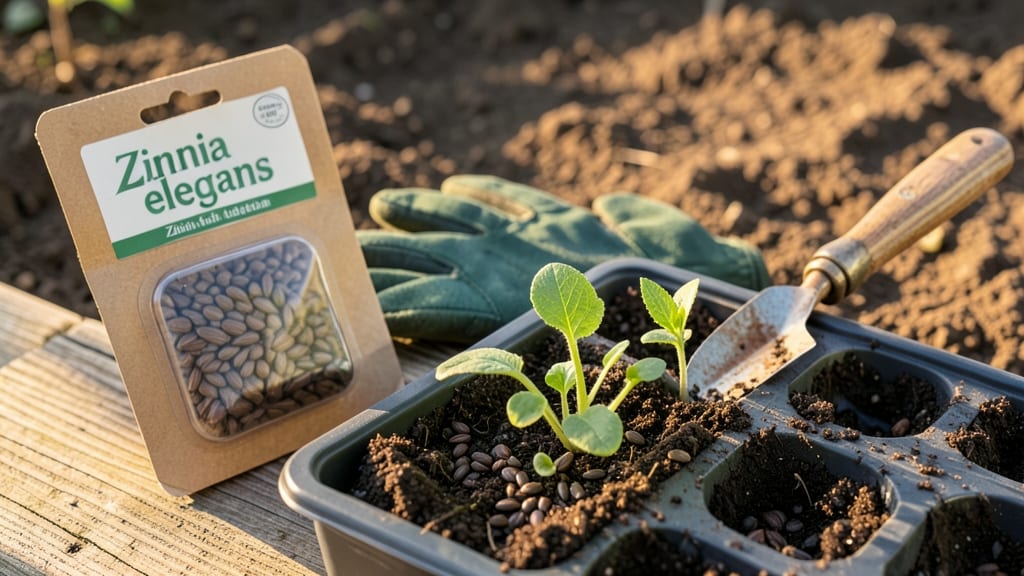
Timing your Zinnia seed planting in Zone 7 isn’t just about following a calendar—it’s about unlocking those fast, vibrant blooms that’ll turn your garden into a summer showstopper. Skip the guesswork, and you’ll enjoy nonstop color from early summer right through frost, with minimal effort.
The secret lies in those warm soil temperatures and knowing exactly when to get those seeds in the ground.
I’ve planted zinnias for years, and what I’ve learned is that spring is your golden window—but not just any spring. We’re talking after the last frost when soil hits at least 60°F, usually around mid-April to early May for most of Zone 7.
Too early, and your seeds will sulk; too late, and you’ll miss out on that first flush of blooms.
Here’s the game-changer: if you want continuous color, don’t stop at one planting. Stagger your seeds every 2-3 weeks through early summer, and you’ll have fresh zinnias popping up just as the old ones fade.
And don’t overlook fall—those late-summer seedlings can still thrive if you plant them 6-8 weeks before your first frost.
Ready to turn your garden into a zinnia paradise? Let’s break down the exact steps—from soil prep to spacing—to ensure your seeds germinate fast and grow into those bold, cheerful blooms you’ve been dreaming of. No more waiting, no more mistakes—just effortless summer color.
Best months to plant zinnia seeds in Zone 7 for maximum blooms
Timing is everything when it comes to growing zinnias in Zone 7, where warm springs and hot summers create the perfect growing conditions—but only if you start at the right time. Zinnias thrive in warm soil, so planting too early can lead to slow germination or even rot.
In Zone 7, aim to plant your seeds when daytime temperatures consistently stay above 60°F (15°C) and nighttime temps don’t dip below 50°F (10°C).
For most of Zone 7, this means starting seeds indoors 6-8 weeks before your last frost date (typically mid-April to early May) or direct-sowing outdoors 2-3 weeks after the last frost (usually late April to early May).
If you miss this window, don’t worry—zinnias are heat-lovers, and you can even plant a second round in late June to early July for fall blooms!
Here’s a quick reference to help you plan:
If you’re planting directly in the ground, wait until the soil is warm to the touch (about 65°F or 18°C). Stick a soil thermometer 1 inch deep—if it reads below 60°F (15°C), your seeds may struggle to sprout.
Pro tip: Use black plastic mulch to warm the soil faster if your spring is slow to heat up!
For Zone 7 gardeners in cooler microclimates (like higher elevations or coastal areas), push your outdoor planting back to mid-May to avoid cold snaps. Conversely, if you’re in a hotter inland area, you can start as early as late March for a head start on blooms.
Zinnias are fast growers, with most varieties flowering in just 60-90 days from seed. By planting in two waves—once in spring and again in late summer—you’ll enjoy continuous color from June all the way until the first frost.
Just remember: No zinnias in winter—they’re annuals and won’t survive freezing temps.
One more tip: If you’re using seed packets, check the back for specific variety recommendations. Some dwarf zinnias (like ‘Thumbelina’) grow faster and can even handle slightly cooler soil, while tall varieties (like ‘Benary’s Giant’) need extra warmth to reach their full height.
Now that you’ve got the timing down, your next step is prepping the soil—zinnias love well-draining, fertile soil with a pH of 6.0-7.0.
We’ll cover that in the next section, but for now, mark your calendar for late April to early May and get ready for a nonstop parade of blooms!
Best months to plant zinnia seeds in Zone 7 for maximum blooms
In Zone 7, zinnias thrive when planted at the right time—typically after the last frost date, which usually falls between mid-March and early April. However, the exact timing depends on whether you're starting seeds indoors or sowing directly outdoors.
For most of Zone 7, late April to early May is ideal for direct sowing, while indoor starts can begin 6-8 weeks before your last frost date.
Zone 7's climate varies significantly—coastal areas may have milder springs, while inland regions can experience late frosts. Always check your local frost-free date (around April 15 for most of Zone 7) and aim to plant zinnias 2-3 weeks after that date.
This ensures warm soil temperatures (60°F or above) needed for germination.
🌱Pro Tip: If you want extended blooms, consider a second planting in late July for late-summer color. This works especially well in Zone 7's hot summers, as zinnias tolerate heat better than many other annuals.
| Planting Method | Ideal Month | Soil Temp | Bloom Time |
|---|---|---|---|
| Direct Sowing | Late April - Early May | 60°F+ | Early July - Frost |
| Indoor Starts | Late February - March | 65°F+ | June - October |
| Succession Planting | Late July | 60°F+ | September - Frost |
For direct sowing outdoors, wait until nighttime temperatures consistently stay above 50°F. This usually aligns with late April to early May in most of Zone 7. Plant seeds 1/4 inch deep in well-draining soil with 6-12 inches between plants, depending on the variety.
Dwarf zinnias can handle closer spacing, while taller varieties need more room.
If you're starting seeds indoors, begin them 6-8 weeks before your last frost date. Use seed-starting mix and keep them under grow lights or in a sunny window. Harden off seedlings for 7-10 days before transplanting outdoors after the last frost.
🌿Key Reminder: Zinnias love full sun (6+ hours daily), so choose a sunny spot in your garden. If your area has hot afternoons, provide afternoon shade to prevent wilting, especially for younger plants.
Once planted, zinnias grow quickly—expect blooms in 60-90 days, depending on the variety. With the right timing, you'll enjoy nonstop color from early summer until frost, making them one of the most rewarding annuals for Zone 7 gardens.