
Plants
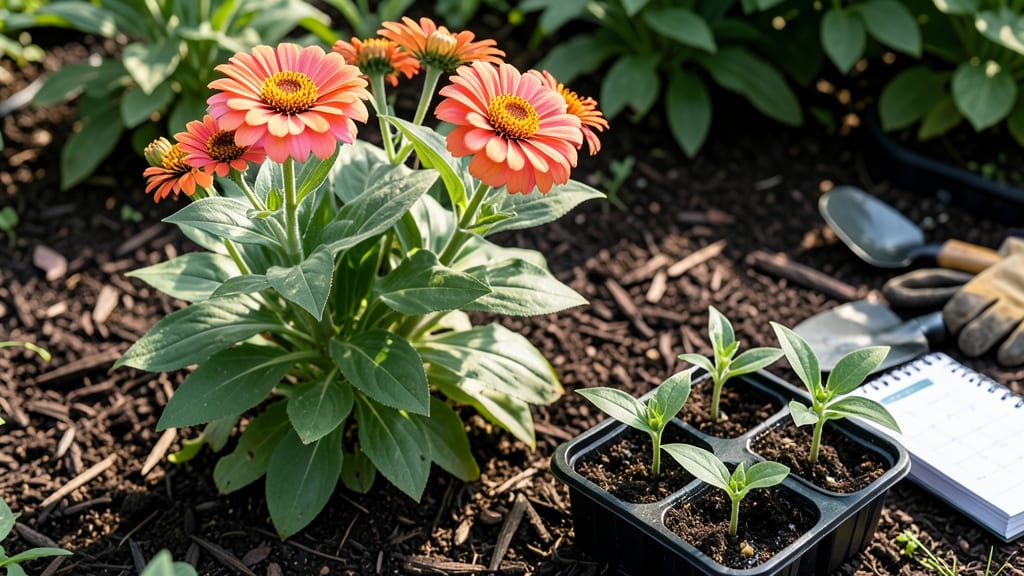
When to plant zinnias in Iowa perfectly means the difference between a vibrant summer garden and a sad, frost-nipped disappointment. Those cheerful 🌼 blooms need warmth to thrive, but planting too soon risks icy setbacks—while waiting too long cuts your flowering season short.
Iowa’s USDA zones 5a-6b give us a 60-day growing window to work with, and missing the mark can mean missed color. The key? Start seeds indoors by late March or wait until after your mid-April last frost to sow directly outside—typically between April 15 and June 1.
But here’s the catch: soil temperature matters just as much as air temperature. Zinnias won’t sprout until the ground hits 50°F, and rushing them often leads to leggy, weak plants.
I’ll show you exactly how to time it right for your specific zone, plus pro tips to extend your blooms all summer long.
Whether you’re a first-time gardener or a seasoned pro, getting this right means more 🌼s in your yard—and fewer second-guesses. Let’s make sure your zinnias put on their best show from June through October.
Iowa zinnia planting deadlines by USDA Zone (5a vs 6a)
Iowa’s USDA Zones 5a and 6a create distinct planting windows for zinnias, where even a few weeks can mean the difference between thriving blooms and frost-killed seedlings.
In Zone 5a, average last frost dates hover around April 15, while Zone 6a gardeners typically see frost-free conditions by April 1. These timelines aren’t set in stone—unpredictable spring weather can delay frost-free dates by 2-3 weeks, so flexibility is key.
Zinnias thrive in warm soil (50°F+) and won’t germinate in cold ground. Testing soil temperature with a soil thermometer (or pressing your hand into the soil—if it feels cool to your touch, it’s too chilly) is my go-to trick for confirming readiness.
Planting too early risks seed rot or stunted growth, while waiting too long may shorten your bloom season.
For direct sowing (the easiest method for zinnias), aim to plant 2-4 weeks after your average last frost date. This gives soil time to warm and reduces the risk of late frosts.
In Zone 5a, that means mid-to-late May is ideal, while Zone 6a gardeners can start as early as early May. If you’re transplanting seedlings, hold off until soil temps are consistently above 55°F.
Pro tip: Use row covers or cold frames to extend your planting window by 2-3 weeks if you’re eager to get started. These tools create a microclimate that protects tender seedlings from late frosts. Just
| Zone | Avg. Last Frost | Ideal Planting Window | Soil Temp Requirement | Notes |
|---|---|---|---|---|
| 5a | April 15 | Mid-to-late May | 50°F+ | Wait for consistent warmth; use row covers if needed. |
| 6a | April 1 | Early-to-mid May | 50°F+ | Can plant slightly earlier; monitor for late frosts. |
| Both Zones | N/A | Succession Planting: June 1 | 55°F+ | Extend blooms by sowing every 2 weeks until July. |
Don’t overlook succession planting—this is my secret weapon for non-stop zinnias from summer through fall. After your initial planting, sow new seeds every 2 weeks until early July. This staggered approach ensures fresh blooms when the first batch starts fading, giving you 3-4 months of continuous color. Even in Zone 5a, where summers are shorter, this method maximizes your display.
For transplants, start seeds indoors 6-8 weeks before your last frost date (early March for Zone 6a, late March for Zone 5a). Use biodegradable pots to avoid disturbing roots when moving seedlings outdoors.
Harden off transplants for 7-10 days before planting to toughen them up for Iowa’s variable spring weather.
If you’re in a microclimate (like a south-facing slope or near a building), you might see frost-free conditions 1-2 weeks earlier than average. Observe your garden’s unique patterns by tracking last frost dates for 3-5 years—this local data is more reliable than general zone guidelines.
My garden’s microclimate lets me plant zinnias 10 days earlier than my neighbors, thanks to the brick wall that absorbs and radiates heat.
Remember: Zinnias are annuals, so don’t stress about overwintering. Focus on timing your plantings to align with Iowa’s 165-day frost-free season. With the right schedule, you’ll enjoy bold, long-lasting blooms from June through October—even in cooler zones.
🌼
5 Key factors that determine your zinnia planting window
Timing your zinnias perfectly in Iowa isn’t just about avoiding frost—it’s about understanding five critical factors that turn good blooms into showstopping displays. From soil warmth to microclimates, each plays a role in extending your zinnias’ glory from summer to early fall.
Let’s break down what truly matters for your USDA Zone 5a or 6a garden.
First, soil temperature is non-negotiable. Zinnias won’t sprout until the soil hits at least 50°F. In Iowa, this typically aligns with late April to early May, but cooler springs (like 2021’s) can delay it by weeks.
Use a soil thermometer to confirm—planting too soon in cold soil leads to rot or stunted growth.
Next, your microclimate can shift planting by 2-3 weeks. A south-facing bed warms faster than a shady corner, so test spots with frost cloth or observe where snow melts earliest.
Urban areas with pavement also heat up quicker than rural fields. Pro tip: Plant near a brick wall or dark mulch to create a warmer microclimate for early sowing.
2. Microclimate: South-facing beds plant 2 weeks earlier than shady spots
3. Seed Viability: Store-bought seeds last 3 years; older seeds may need pre-sprouting
4. Succession Planting: Sow every 2 weeks until June 1 for non-stop blooms
5. Frost Risk: Use row covers if planting late May in Zone 5a
Don’t overlook seed viability. Zinnia seeds lose vigor after 3 years, so check the packet date. If your seeds are older, soak them overnight in warm water to jumpstart germination. This trick works especially well for heirloom varieties like ‘Benary’s Giant’ or ‘Crystal’.
For continuous blooms, master succession planting. Start your first batch in late April/early May, then sow every 2 weeks until June 1. This staggered approach ensures flowers from June through October, even if early plants fade. Pair this with deadheading to keep zinnias producing until frost.
Finally, frost risk isn’t just about the last spring freeze—it’s also about late-summer chills. In Zone 5a, a light frost in September can damage tender zinnias. If you’re pushing the season, use frost blankets or choose dwarf varieties like ‘Thumbelina’ that handle cooler temps better.
By tuning into these five factors, you’ll turn Iowa’s unpredictable climate into an advantage. The result? Zinnias that bloom longer, resist disease, and outshine the neighbors’ gardens. Happy planting! 🌼