
Size
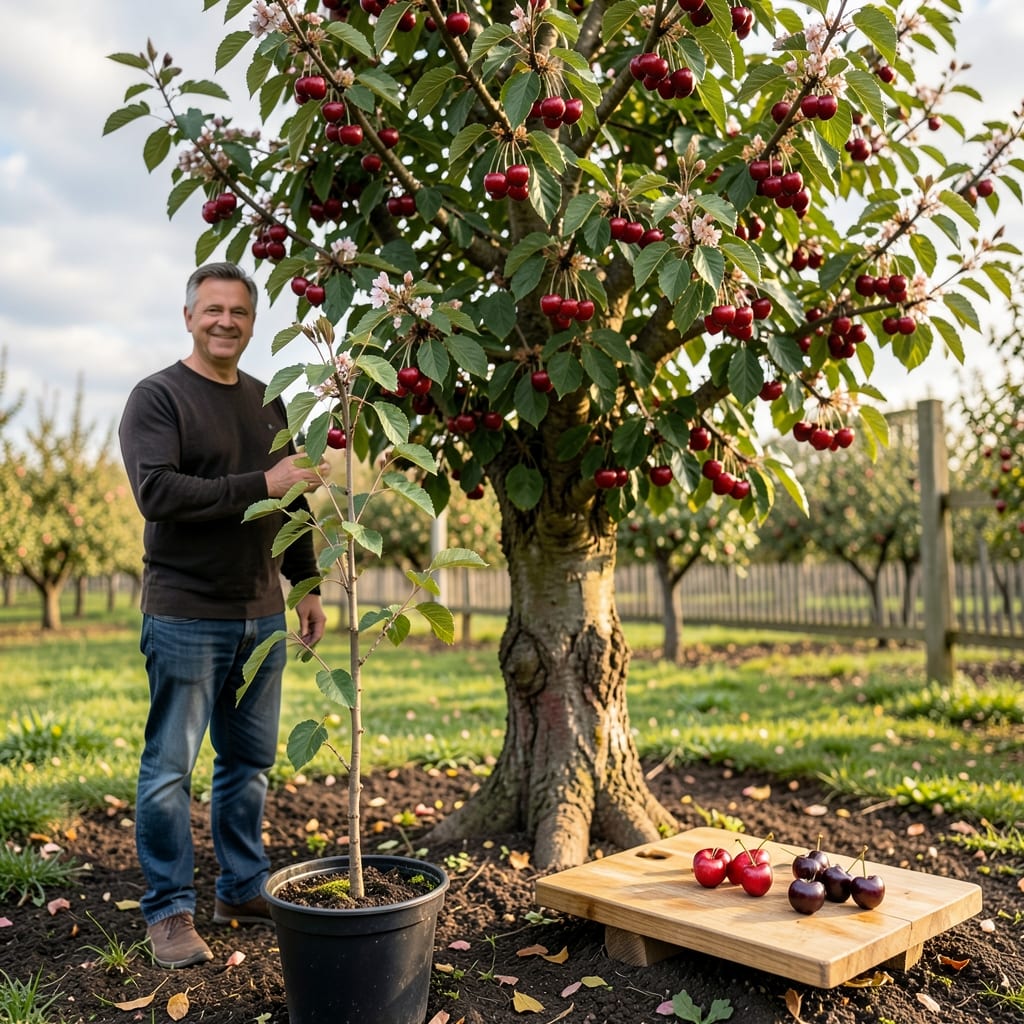
If you're wondering "how tall can cherry trees grow", the answer might surprise you—some varieties stretch taller than a two-story house, while others stay cozy enough for a backyard patio. The difference comes down to the type of cherry tree you choose, whether it's a dwarf variety perfect for small spaces or a standard giant that needs room to spread its branches.
Picture this: a 🍒 cherry tree laden with ripe fruit, its branches heavy with sweet summer treats. But before you plant, you’ll want to know which size fits your space. From compact 6-foot dwarfs to towering 40-foot giants, the possibilities are endless—and the right choice depends on your yard, your goals, and even your climate.
In this guide, I’ll break down the height ranges of the most popular cherry tree varieties, so you can pick the perfect fit for your garden. Whether you’re dreaming of a shade tree or a fruit-bearing beauty, understanding these differences will help you avoid costly mistakes and make the most of your outdoor space.
Ready to find out which cherry tree will thrive in your backyard? Let’s dive into the details—because the right tree could be just a few feet away from becoming your next favorite garden star.

Cherry tree height by variety: dwarf to giant size comparison
When planning your 🍒 cherry tree dream garden, one of the first questions I ask myself is, "How tall will this tree really get?" The answer depends entirely on the variety you choose. Some cherry trees stay small enough for a container garden, while others grow tall enough to shade an entire backyard. Let’s break down the height ranges so you can pick the perfect fit for your space.
Cherry trees generally fall into four main height categories: dwarf (6-12 ft), semi-dwarf (12-20 ft), standard (20-30 ft), and giant varieties (30+ ft). The key difference? Rootstock—the underground part of the tree that determines its growth habit. Dwarf varieties are grafted onto smaller rootstock, while giants use larger, more vigorous rootstock.
🌱 Cherry Tree Height Comparison
| Variety Type | Mature Height | Best For | Pruning Needs |
|---|---|---|---|
| Dwarf (e.g., 'Stella,' 'Comet') | 6–12 ft | Containers, small yards, urban gardens | Minimal; shape for aesthetics |
| Semi-Dwarf (e.g., 'Balaton,' 'Montmorency') | 12–20 ft | Medium yards, patio shade | Light pruning for structure |
| Standard (e.g., 'Rainier,' 'Bing') | 20–30 ft | Large backyards, shade trees | Regular pruning for safety |
| Giant (e.g., 'Black Tartarian') | 30–40+ ft | Agricultural settings, parks | Professional pruning required |
If you’re working with limited space, dwarf varieties are my top recommendation. Trees like 'Stella' or 'Comet' stay under 12 feet, making them perfect for balcony gardens or small patios. These varieties are also easier to maintain, as they require less frequent pruning. For larger properties, semi-dwarf or standard varieties offer more shade and fruit production without taking over your yard.
But what if you love the idea of a towering cherry tree but don’t have the space? The solution might be rootstock selection. For example, grafting a sweet cherry scion onto a Mahaleb rootstock (a dwarfing rootstock) can keep a tree under 15 feet, even if its standard counterpart would reach 30 feet. This technique is commonly used by nurseries to create smaller versions of popular varieties.
Climate also plays a role in how tall your cherry tree grows. In warmer climates, like USDA Zones 7-9, cherry trees tend to grow faster and taller due to longer growing seasons. In cooler climates, like Zones 4-6, growth may be slower, but proper care—like mulching and winter protection—can help your tree reach its full potential height.
One common mistake I see is assuming all cherry trees grow to the same height. For instance, the 'Black Tartarian' cherry can reach 40 feet or more, while the 'Stella' cherry tops out at just 8 feet. Always check the variety’s mature height before planting, especially if you’re working with tight spaces or power lines nearby.
For urban gardeners, semi-dwarf varieties like 'Balaton' strike the perfect balance. They provide ample shade and fruit without overwhelming a small yard. Plus, their manageable height makes them easier to prune and maintain. If you’re unsure which size to choose, start with a dwarf variety—they’re forgiving, productive, and perfect for beginners.
Remember, even if you plant a dwarf cherry tree, its height can still be influenced by soil quality, watering habits, and sunlight exposure. Well-draining soil and full sun (6+ hours daily) are non-negotiables for healthy growth. Neglect these basics, and even the smallest cherry tree might struggle to reach its expected height.
Ready to pick the perfect cherry tree for your space? Whether you’re dreaming of a shade tree or a fruit-bearing patio star, knowing the height differences will help you make the best choice. Next, let’s explore the best compact varieties for small yards and containers—because even tiny spaces can grow big flavors!
Cherry tree height by variety: dwarf to giant size comparison
When planning your garden, knowing how tall cherry trees grow is crucial—especially if you're balancing space with dreams of a lush canopy. Cherry trees come in four main height categories: dwarf, semi-dwarf, standard, and giant, each offering unique benefits for different yard sizes.
Dwarf varieties, like the 'Stella' or 'Comet', top out at 6-12 feet, making them ideal for small patios or urban gardens. Semi-dwarf types, such as 'Balaton', reach 12-18 feet, perfect for suburban backyards. Standard cherry trees, like the classic 'Bing', tower 20-30 feet, while giants like 'Black Tartarian' can exceed 40 feet—think full-grown oak territory!
Here’s how these varieties stack up in terms of mature height, pruning needs, and ideal growing conditions:
| Variety Type | Mature Height | Pruning Needs | Best For |
|---|---|---|---|
| Dwarf | 6–12 ft | Minimal; shape for aesthetics | Containers, small yards, patios |
| Semi-Dwarf | 12–18 ft | Moderate; remove deadwood annually | Suburban backyards, shade trees |
| Standard | 20–30 ft | Regular; structural pruning | Large properties, orchards |
| Giant | 30–40+ ft | Professional pruning; heavy branches | Rural landscapes, parks |
The rootstock you choose plays a huge role in height. Dwarf varieties are grafted onto stunted rootstock, while standard trees use wild-type rootstock for rapid growth. For example, a 'Stella' cherry on 'Gisela 5' rootstock will stay compact, but the same variety on 'Mahaleb' rootstock could grow twice as tall.
Climate also affects height—cherry trees in USDA Zone 6 or warmer often grow faster due to longer growing seasons. In cooler zones, growth may be slower, but with proper care, even dwarf varieties can reach their full potential. Always check your local climate guidelines before planting to avoid disappointment.
If you’re unsure which size fits your space, start with a semi-dwarf variety. They offer a balance between manageable height and abundant fruit production, making them a favorite among home gardeners. Just remember: prune early to shape young trees and prevent overgrowth as they mature.